
Tag: CQC consultancy UK

Desk setup with a laptop displaying data charts, a pen, printed graphs on the desk, a beige mug, and a small potted succulent by a sunlit window.

Tailoured CQC Registration Support for Care Agencies: A Comprehensive Guide to Personalised Consultancy

Registering your care agency with the Care Quality Commission can feel overwhelming, especially when adding specialised services like TDDI or children’s care. Personalised consultancy cuts through the complexity, guiding you step-by-step from application to compliance with confidence. This guide explains how tailored CQC registration support strengthens your service and opens new opportunities for safe expansion. To learn more, visit HelloCare Consulting.

Personalised Consultancy for CQC Registration

Choosing the right support can make all the difference in the world of care services. As you navigate this journey, it’s essential to know why tailored consultancy is beneficial and how it can ease the process.

Importance of Tailored Support

Tailored support offers a unique approach to your specific needs. Unlike generic solutions, personalised consultancy focuses on understanding your agency’s goals and challenges. You get guidance that’s aligned with your vision, ensuring smooth progress. This approach helps you avoid common pitfalls that many face during registration.

Consultancy services can be the compass guiding your agency through complex requirements. They provide confidence and clarity, two crucial elements when dealing with regulatory bodies like the Care Quality Commission. When you have tailored support, you’re not just meeting standards; you’re setting your agency up for success.

Streamlining Compliance Processes

Compliance can feel like a maze, but with the right consultancy, it becomes an organized pathway. Consultants help you streamline processes, making sure every step aligns with regulations. They assist in document preparation, helping you present your agency in the best light.

One of the key advantages of consultancy is the reduction of errors. Errors in compliance can lead to delays and even fines. By streamlining these processes, you ensure that your agency operates efficiently and within legal boundaries. This not only saves you time but also builds trust with clients and stakeholders.

Enhancing Service Expansion

When you’re ready to expand, personalised consultancy becomes even more vital. Expansion involves new challenges, from understanding additional regulations to implementing new services like TDDI. Consultants provide the roadmap for growth, ensuring that every step is taken with precision.

Service expansion is not just about adding more services; it’s about doing so safely and sustainably. With expert guidance, you can navigate this process without compromising on quality. This approach ensures that your agency continues to deliver top-notch care, even as it grows.

Navigating CQC Registration for Agencies

Understanding the CQC standards is crucial for any care agency. With a solid grasp of these standards, you position your agency for success from the start.

Understanding CQC Standards

The Care Quality Commission sets high standards to ensure quality care. Understanding these standards is the first step in the registration process. They cover areas such as safety, effectiveness, and leadership. Familiarising yourself with these can help you prepare your agency to meet expectations.

These standards are not just boxes to tick; they form the foundation of quality care. By embedding these principles into your operations, you demonstrate your commitment to providing exceptional services. This commitment not only satisfies regulatory requirements but also builds trust with clients and their families.

Preparing for Fit Person Interviews

Fit Person Interviews are a key component of the registration process. These interviews assess your suitability to lead a care service. Preparing for them involves understanding the questions and expectations. Mock interviews can be a valuable tool in this process.

During the interview, you’ll need to showcase your understanding of care regulations and your agency’s operations. Practicing with a consultant can boost your confidence, ensuring you present yourself as a capable and prepared leader. A successful interview sets the stage for a smooth registration journey.

Drafting Effective CQC Applications

Your CQC application is a vital document that requires careful attention. It’s your opportunity to present your agency in the best light. An effective application includes comprehensive details about your services, staff, and compliance measures.

Working with a consultant can help you craft a strong application. They can guide you in highlighting your agency’s strengths, ensuring that your submission stands out. This preparation can significantly increase your chances of a successful registration on the first attempt.

Expanding Care Services Safely

Expanding your services involves several considerations. Ensuring compliance and quality in new areas is crucial for continued success.

Adding TDDI and Children’s Services

Adding Treatment of Disease, Disorder, and Injury (TDDI) and children’s services requires careful planning. Each service comes with its own set of regulations. Understanding these is crucial for safe expansion.

Consultants can help you navigate these new territories. They provide insights into the specific requirements for each service, ensuring that your agency remains compliant. This guidance is essential for delivering safe and effective care to new client groups.

Developing CQC Policies and Procedures

Clear policies and procedures are the backbone of a compliant agency. They guide your staff and ensure consistent service delivery. Developing these documents with expert input ensures they meet CQC standards.

Consultants can assist in drafting policies that reflect your agency’s values and goals. These documents not only support compliance but also enhance operational efficiency. Well-defined procedures help your team deliver high-quality care consistently.

Maximising PIR Guidance and Support

Provider Information Returns (PIR) are an important part of CQC inspections. They provide a snapshot of your agency’s performance and compliance. Maximising support with PIRs ensures that you present accurate and positive information.

Consultants offer guidance on completing these returns. They ensure you highlight your agency’s strengths, showcasing your commitment to excellence. This proactive approach can positively influence inspection outcomes and enhance your agency’s reputation.

In conclusion, personalised consultancy offers invaluable support in navigating CQC registration and service expansion. By choosing tailored services, you ensure that your agency not only meets regulatory standards but excels in providing quality care.


See how Hellocare’s tailored support can simplify your care agency’s CQC journey and service expansion.

Desk with an open laptop showing data dashboards, a pen, a printed chart sheet, a beige mug, and a small potted succulent on a white table.

Tailoured CQC Registration Support for Care Agencies: A Comprehensive Guide to Personalised Consultancy

Registering your care agency with the Care Quality Commission can feel overwhelming, especially when adding specialised services like TDDI or children’s care. Personalised consultancy cuts through the complexity, guiding you step-by-step from application to compliance with confidence. This guide explains how tailored CQC registration support strengthens your service and opens new opportunities for safe expansion. To learn more, visit HelloCare Consulting.

Personalised Consultancy for CQC Registration

Choosing the right support can make all the difference in the world of care services. As you navigate this journey, it’s essential to know why tailored consultancy is beneficial and how it can ease the process.

Importance of Tailored Support

Tailored support offers a unique approach to your specific needs. Unlike generic solutions, personalised consultancy focuses on understanding your agency’s goals and challenges. You get guidance that’s aligned with your vision, ensuring smooth progress. This approach helps you avoid common pitfalls that many face during registration.

Consultancy services can be the compass guiding your agency through complex requirements. They provide confidence and clarity, two crucial elements when dealing with regulatory bodies like the Care Quality Commission. When you have tailored support, you’re not just meeting standards; you’re setting your agency up for success.

Streamlining Compliance Processes

Compliance can feel like a maze, but with the right consultancy, it becomes an organized pathway. Consultants help you streamline processes, making sure every step aligns with regulations. They assist in document preparation, helping you present your agency in the best light.

One of the key advantages of consultancy is the reduction of errors. Errors in compliance can lead to delays and even fines. By streamlining these processes, you ensure that your agency operates efficiently and within legal boundaries. This not only saves you time but also builds trust with clients and stakeholders.

Enhancing Service Expansion

When you’re ready to expand, personalised consultancy becomes even more vital. Expansion involves new challenges, from understanding additional regulations to implementing new services like TDDI. Consultants provide the roadmap for growth, ensuring that every step is taken with precision.

Service expansion is not just about adding more services; it’s about doing so safely and sustainably. With expert guidance, you can navigate this process without compromising on quality. This approach ensures that your agency continues to deliver top-notch care, even as it grows.

Navigating CQC Registration for Agencies

Understanding the CQC standards is crucial for any care agency. With a solid grasp of these standards, you position your agency for success from the start.

Understanding CQC Standards

The Care Quality Commission sets high standards to ensure quality care. Understanding these standards is the first step in the registration process. They cover areas such as safety, effectiveness, and leadership. Familiarising yourself with these can help you prepare your agency to meet expectations.

These standards are not just boxes to tick; they form the foundation of quality care. By embedding these principles into your operations, you demonstrate your commitment to providing exceptional services. This commitment not only satisfies regulatory requirements but also builds trust with clients and their families.

Preparing for Fit Person Interviews

Fit Person Interviews are a key component of the registration process. These interviews assess your suitability to lead a care service. Preparing for them involves understanding the questions and expectations. Mock interviews can be a valuable tool in this process.

During the interview, you’ll need to showcase your understanding of care regulations and your agency’s operations. Practicing with a consultant can boost your confidence, ensuring you present yourself as a capable and prepared leader. A successful interview sets the stage for a smooth registration journey.

Drafting Effective CQC Applications

Your CQC application is a vital document that requires careful attention. It’s your opportunity to present your agency in the best light. An effective application includes comprehensive details about your services, staff, and compliance measures.

Working with a consultant can help you craft a strong application. They can guide you in highlighting your agency’s strengths, ensuring that your submission stands out. This preparation can significantly increase your chances of a successful registration on the first attempt.

Expanding Care Services Safely

Expanding your services involves several considerations. Ensuring compliance and quality in new areas is crucial for continued success.

Adding TDDI and Children’s Services

Adding Treatment of Disease, Disorder, and Injury (TDDI) and children’s services requires careful planning. Each service comes with its own set of regulations. Understanding these is crucial for safe expansion.

Consultants can help you navigate these new territories. They provide insights into the specific requirements for each service, ensuring that your agency remains compliant. This guidance is essential for delivering safe and effective care to new client groups.

Developing CQC Policies and Procedures

Clear policies and procedures are the backbone of a compliant agency. They guide your staff and ensure consistent service delivery. Developing these documents with expert input ensures they meet CQC standards.

Consultants can assist in drafting policies that reflect your agency’s values and goals. These documents not only support compliance but also enhance operational efficiency. Well-defined procedures help your team deliver high-quality care consistently.

Maximising PIR Guidance and Support

Provider Information Returns (PIR) are an important part of CQC inspections. They provide a snapshot of your agency’s performance and compliance. Maximising support with PIRs ensures that you present accurate and positive information.

Consultants offer guidance on completing these returns. They ensure you highlight your agency’s strengths, showcasing your commitment to excellence. This proactive approach can positively influence inspection outcomes and enhance your agency’s reputation.

In conclusion, personalised consultancy offers invaluable support in navigating CQC registration and service expansion. By choosing tailored services, you ensure that your agency not only meets regulatory standards but excels in providing quality care.
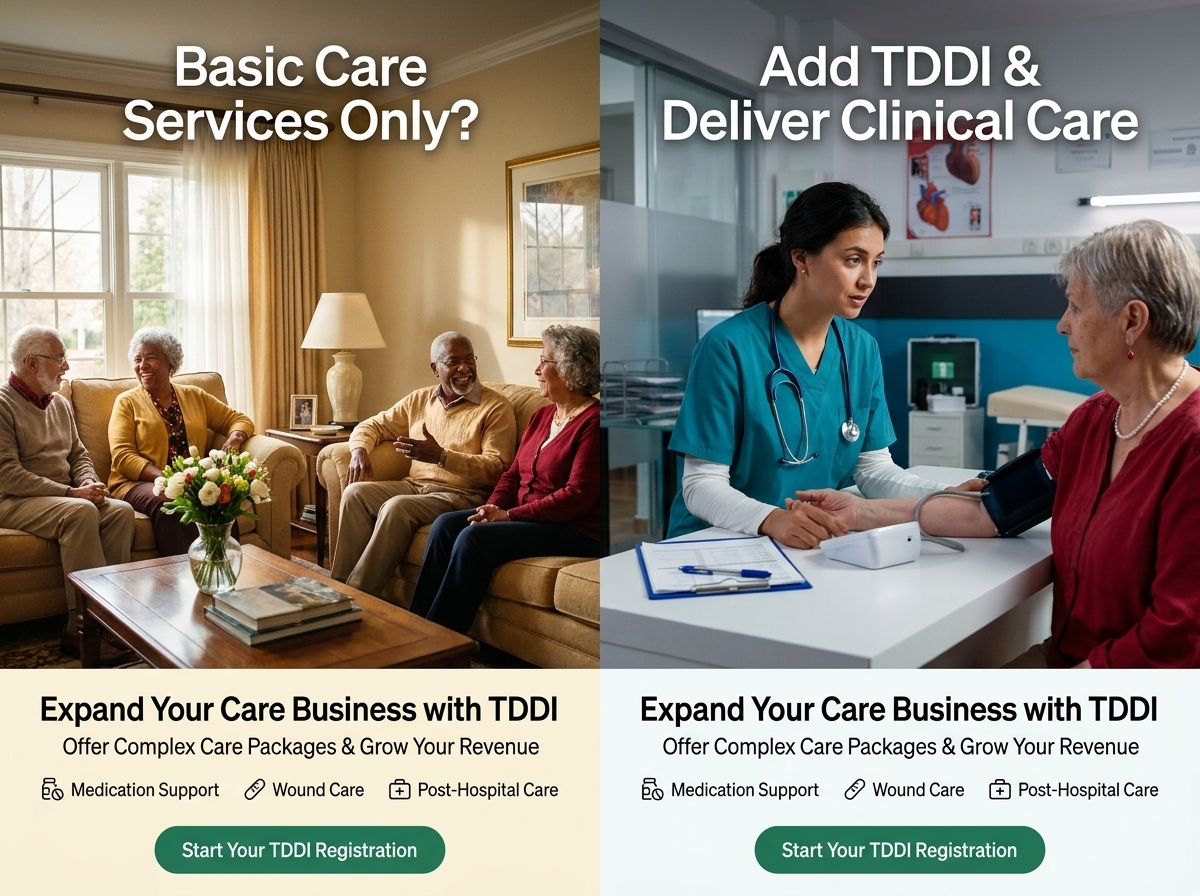
See how Hellocare’s tailored support can simplify your care agency’s CQC journey and service expansion.

Woman seated at an outdoor wooden table with a laptop, notebook, and colorful sticky notes, looking at the camera.

CQC Registration Made Clear: A Practical Guide for New and Growing Care Providers

CQC Registration Made Clear: A Practical Guide for New and Growing Care Providers

CQC registration can feel overwhelming when you’re starting or expanding a care service. You need to understand the essential steps, from preparing your fit person interview and Provider Information Return to adding regulated activities like Treatment of Disease, Disorder or Injury (TDDI) or children’s services. This guide breaks down the process clearly and shows how Hellocare Consulting supports you every step of the way to build a strong, compliant foundation for your care agency. Explore the latest guidance here.

Essential Steps for CQC Registration

Embarking on your CQC registration journey involves navigating several key steps. Understanding the basics and preparing effectively can make a significant difference.

Understanding Regulated Activities

When it comes to CQC registration, knowing your regulated activities is crucial. These activities determine what services your agency can provide. Examples include personal care and nursing treatment. Each activity has its own standards and requirements set by the Care Quality Commission. You must demonstrate your capability to deliver these services safely and effectively.

Understanding these activities helps you align your agency’s services with CQC standards. This alignment is pivotal in ensuring that you meet regulatory expectations. To dive deeper into these standards, check out the regulations.

Preparing CQC Policies and Procedures

Policies and procedures form the backbone of your CQC registration. These documents cover everything from staff conduct to emergency protocols. They ensure everyone in your agency understands their roles and responsibilities.

Comprehensive policies help in maintaining high-quality service and compliance. Regularly updating these documents is necessary to reflect any regulatory changes. A well-documented procedure can also enhance your team’s efficiency, leading to better care outcomes.

Navigating the Fit Person Interview

The Fit Person Interview is a pivotal part of the CQC registration. It assesses your ability to manage and deliver care services effectively. Preparation is key to succeeding in this interview. Familiarize yourself with potential questions and focus on demonstrating your understanding of CQC standards.

Practicing your responses and highlighting your agency’s strengths can ease the interview process. Consider mock interviews to boost your confidence. Explore tips for interview preparation to ensure success.

Expanding Care Services Safely

Once you have a firm foundation, expanding your services can open new opportunities. This section explores how to add new services while maintaining compliance.

Adding Treatment of Disease, Disorder or Injury (TDDI)

Introducing TDDI services can significantly broaden your agency’s capabilities. However, it requires careful planning and compliance. Meeting the specific standards for TDDI ensures you provide safe and effective care.

By offering TDDI, you position your agency to serve a wider client base with diverse needs. This expansion not only enhances service delivery but also increases potential referrals. Learn about the regulation changes affecting TDDI services.

Integrating Children’s Services CQC

Adding children’s services involves understanding specific CQC requirements for this demographic. This service expansion allows your agency to cater to younger clients, meeting their unique care needs.

Ensure your application addresses safeguarding requirements and staff training standards. Proper planning and compliance can open doors to new contracts with local authorities. Explore guidelines for integrating children’s services.

Clinical Governance in Home Care

Good clinical governance is vital for maintaining high standards in home care services. Implementing effective governance structures helps you monitor and improve care quality.

Regular audits, staff training, and feedback loops are critical components. These strategies ensure your services remain responsive to client needs and compliant with CQC standards. Review the latest regulatory updates for home care governance.

Overcoming Common Registration Challenges

Even with thorough preparation, challenges in the registration process can arise. Here’s how to tackle common obstacles effectively.

Crafting a Provider Information Return (PIR)

The Provider Information Return (PIR) is a detailed document that outlines your service’s readiness and quality. Completing this document thoroughly is crucial.

The PIR highlights your agency’s commitment to quality care and compliance. It should reflect accurate data and insights into your service delivery and outcomes. An incomplete PIR can lead to delays or negative inspection outcomes. Get support with crafting your PIR.

Common Pitfalls in CQC Compliance

Misunderstanding CQC standards or neglecting certain requirements can lead to compliance issues. Regular training and updates on CQC regulations can prevent these pitfalls.

Most agencies struggle with maintaining documentation and adhering to updated policies. Staying informed and proactive can keep your agency on track. Remember, compliance is an ongoing process, not a one-time task.

CQC Consultancy UK Support

Navigating CQC registration can be complex, but you don’t have to do it alone. Hellocare Consulting offers expert guidance and support tailored to your agency’s needs.

Our consultancy services cover everything from interview preparation to policy development. With our support, you can confidently expand your services and maintain compliance. Embrace the opportunity to enhance your care offerings and grow your agency with tailored consultancy.

In summary, CQC registration requires careful planning and ongoing commitment. By understanding the requirements and leveraging expert support, you can successfully navigate the process and expand your services safely.

Avoid penalties and missed growth by acting promptly with Hellocare’s expert support for your care agency.

Common CQC Registration Mistakes—and How to Fix Them Fast

Common CQC Registration Mistakes—and How to Fix Them Fast

DIY compliance may seem like a straightforward path when preparing your CQC registration, but it often leads to costly delays and refusals. Many care providers underestimate the complexity of CQC policies and procedures, which can cause critical errors in applications and interviews. In this post, you’ll learn the common reasons behind CQC rejection and practical steps to strengthen your submission, giving you a clearer route to approval. https://www.linkedin.com/posts/hellocare-consulting-limited_cqcregistration-homecareagency-activity-7412443242773991426-O1IR

Common DIY Compliance Pitfalls

Understanding the roadblocks in CQC registration mistakes is the first step to overcoming them. Many providers stumble at crucial points, leading to delays or rejections.

Misunderstanding CQC Requirements

Failing to grasp the full breadth of CQC requirements can derail your application. At its core, CQC registration ensures that providers deliver safe and high-quality care. But did you know that each type of service has specific standards? For instance, domiciliary care registration demands different criteria compared to supported living services. This is where many falter, thinking a one-size-fits-all approach will work. Ensure you know exactly what’s required for your specific service type.

Inadequate CQC Policies and Procedures

Your policies and procedures are not just paperwork—they reflect your service’s quality. Many submissions fall short because they rely on generic templates. The CQC looks for detailed, tailored policies that address the unique aspects of your service. If your procedures don’t align with your service’s operations, you risk rejection. Instead, focus on developing comprehensive documents that accurately represent your service.

Overlooking CQC Interview Preparation

The interview is a pivotal moment in the CQC registration process. Yet, many underestimate its importance. It’s not just about answering questions; it’s about demonstrating your understanding and readiness to deliver care. Failing to prepare thoroughly can result in unexpected questions stumping you. Anticipate potential topics by reviewing common CQC interview questions and practice with mock sessions.

Strengthening Your CQC Registration Application

Now that we’ve highlighted common pitfalls, let’s explore how you can bolster your CQC application. A proactive approach will set you on the path to success.

Tailored Policies and Procedures

Crafting bespoke policies is crucial. Start by evaluating your service’s unique characteristics, then develop policies that address specific operational scenarios. This not only shows your commitment to quality but also ensures compliance with CQC standards. Remember, the aim is to reflect real-life practices, not just theoretical guidelines. Tailoring these documents will strengthen your application and provide clarity during inspections.

Effective CQC Interview Preparation

Preparing for the CQC interview requires focus and strategy. Begin by understanding the key areas the interview will cover, such as safeguarding and leadership. Practice responding to questions in these areas to build confidence. Engaging in a mock CQC fit person interview can be particularly beneficial. It allows you to identify weak spots and improve your responses, ensuring you present yourself as a competent and knowledgeable provider.

Comprehensive PIR Support

Completing the Provider Information Return (PIR) can be daunting, but it’s a vital component of your application. A thorough PIR showcases your service’s strengths and readiness. Start by gathering all necessary data about your operations and performance. By providing detailed and accurate information, you reduce the risk of surprise inspections and demonstrate transparency. Don’t hesitate to seek PIR support if you need guidance on effectively completing this document.

Partnering with a CQC Consultant for a successful CQC Registration

While DIY efforts can take you part of the way, partnering with a consultant can provide the expertise and assurance needed to succeed. Here’s why professional guidance can be invaluable.

Benefits of Professional Guidance

Engaging a CQC consultant brings expert insight into the complex registration process. With a proven track record, consultants offer tailored advice to navigate common challenges. Their experience means they can anticipate potential hurdles and provide solutions. This professional support ensures your application is robust, reducing the likelihood of rejection and streamlining the path to approval.

Custom Packages for Service Expansion

If you’re considering expanding your services, a consultant can be a game-changer. They offer custom packages that cater to your specific needs, whether you’re adding children to your scope or introducing a new regulated activity like TDDI. This bespoke approach helps you manage the intricacies of service expansion while maintaining compliance with CQC standards.

Preparing for TDDI and Children’s Services

Expanding into areas like TDDI and children’s services involves additional regulations and considerations. Consultants can guide you through these complexities, ensuring your service meets all necessary standards. They provide insights into best practices and help you develop strategies for successful implementation. With the right preparation, you can confidently broaden your service offerings and enhance the quality of care you provide.

In conclusion, navigating the CQC registration process requires a blend of understanding, preparation, and expert guidance. By addressing common pitfalls and focusing on tailored solutions, you enhance your chances of success. Remember, while DIY efforts are commendable, partnering with experts can provide the assurance and support needed to achieve compliance and grow your services effectively.