Tag: care agency compliance

Healthcare worker in blue uniform and gloves holding a clipboard in a sunny garden with yellow flowers behind her.

CQC vs CQB: Clearing the confusion for care providers in England

Many care providers confuse CQC with CQB, but understanding their differences is crucial for your service’s success. Navigating CQC registration and meeting quality standards demands clear knowledge, not assumptions. This guide clarifies what truly matters, helping you confidently prepare for CQC fit person interviews, Provider Information Returns, and expanding your care services. Keep reading to ensure your agency follows the right steps at every stage. For a deeper dive into the differences, check out this insightful discussion on Reddit.

Understanding CQC and CQB

To effectively manage your care services, it is essential to grasp the distinction between CQC and CQB. This understanding lays the foundation for achieving compliance and excellence.

Defining CQC and Its Role

The Care Quality Commission (CQC) plays a pivotal role in ensuring that health and social care services meet essential standards in England. They regulate and inspect services to ensure safety, effectiveness, and quality. CQC’s responsibilities include assessing care providers, enforcing standards, and offering guidance for improvement. Understanding these functions helps you align your services with CQC expectations, which can enhance your agency’s reputation and trustworthiness. To explore more about CQC’s role, you can visit CQC Registration: A Step‑by‑Step Guide for New and Growing Care Providers.

The Myth of CQB in Healthcare UK

Many confuse CQB with CQC, but they are worlds apart. CQB stands for Close Quarters Battle, a military term with no connection to healthcare. This misunderstanding often leads to confusion among care providers. Knowing that CQB is irrelevant to healthcare helps focus your efforts on relevant regulations and standards. For more details on CQB and its actual context, see this explanation on Quora.

Common Misconceptions and Clarifications

Misunderstandings about CQC and CQB can cause unnecessary stress and misdirection. Some believe CQB involves care requirements, but this is a misconception. By focusing on the actual role of CQC, you can ensure your care agency meets the specific guidelines and standards set by the regulator. Regular updates and education on CQC processes can prevent these errors, ensuring your agency’s smooth operation and compliance with essential care standards.

Navigating CQC Registration

Once you understand the role of CQC, the next step is mastering the registration process, a crucial part of operating legally and successfully.

Steps to Successful CQC Registration

Securing your CQC registration involves several clear steps. Firstly, gather all necessary documents: identity proof, DBS checks, and a comprehensive business plan. Then, submit an application through the CQC Provider Portal. Preparing thoroughly can significantly reduce approval delays. Finally, anticipate an interview with CQC, which evaluates your readiness and compliance with basic care standards. Successfully navigating these steps ensures your agency is on the right track to delivering high-quality care.

Importance of CQC Policies and Procedures

Crafting detailed CQC policies and procedures is vital for compliance. These documents outline how your agency will operate, covering areas such as safeguarding, infection control, and staff conduct. They serve as your roadmap, ensuring all actions align with CQC standards. Regularly updating these policies not only prepares you for inspections but also demonstrates your commitment to providing exceptional care. This proactive approach can help avoid potential pitfalls during audits and inspections.

Preparing for the CQC Fit Person Interview

The CQC Fit Person Interview is a fundamental step in the registration process. It is your chance to showcase your agency’s capabilities. Preparation is key: understand the CQC’s five key questions and ensure your responses demonstrate your agency’s compliance and quality of care. Mock interviews can be invaluable, offering a chance to refine your responses and build confidence. A well-prepared interviewee can more effectively communicate their agency’s strengths and vision, greatly improving the chances of a successful interview outcome.

Expanding Care Services Confidently

With a solid foundation in CQC registration, you can confidently look to expand your services, enhancing the care you provide.

Adding Regulated Activities: TDDI and More

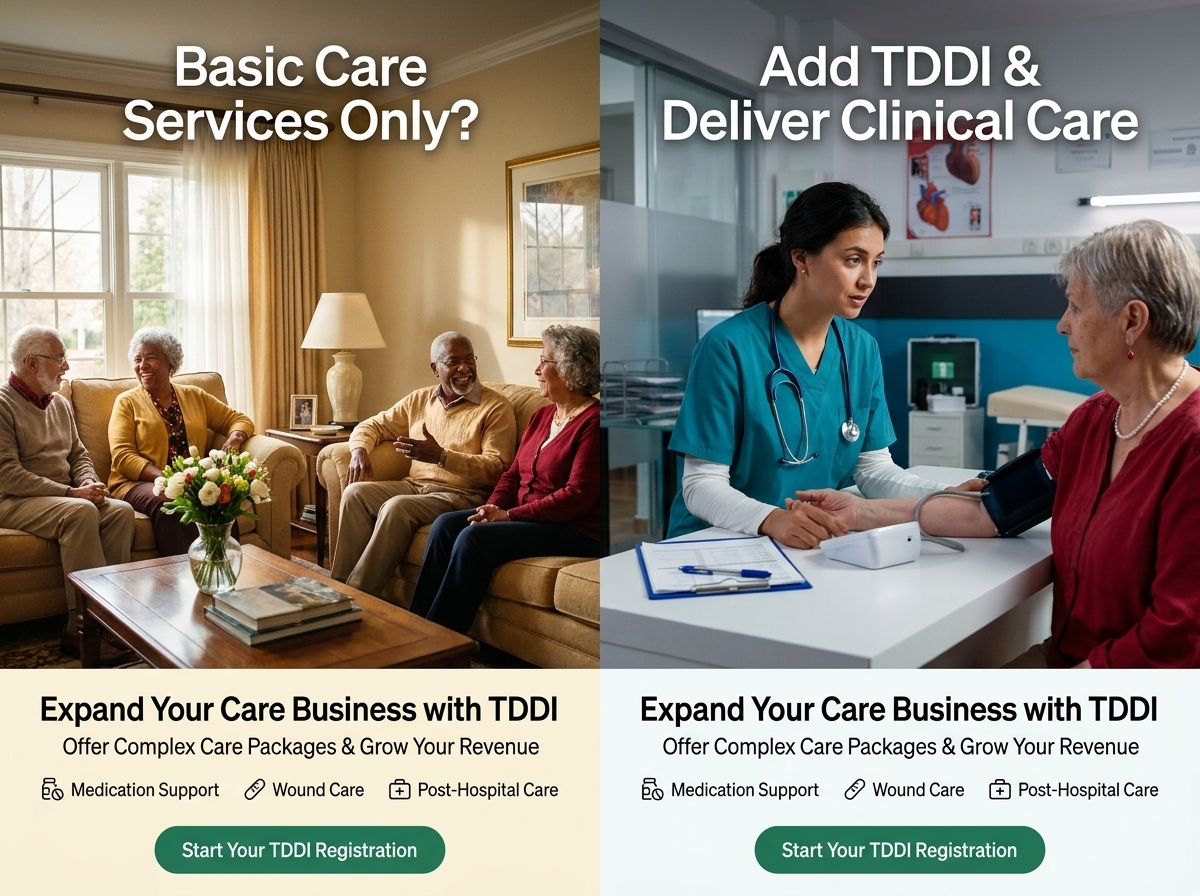
Adding Treatment of Diseases, Disorders, and Injuries (TDDI) to your services is a strategic way to expand your care offerings. This addition requires careful planning and an understanding of the specific regulations and documentation needed. By integrating TDDI, you can broaden your service scope and meet more of your community’s needs. This proactive approach can lead to increased referrals and a stronger reputation for comprehensive care. For further guidance, consider exploring how to add TDDI to your CQC registration.

Children’s Services CQC Registration Essentials

Expanding into children’s services involves understanding and meeting additional CQC requirements. This includes safeguarding policies, trained staff, and a child-friendly environment. By ensuring compliance with these standards, you can provide a safe and caring service for younger clients. Partnering with experts in child care standards can offer additional support and ensure your agency meets all necessary guidelines. This expansion can enhance your agency’s reputation and open new opportunities for service delivery.

Guidance for Domiciliary and Home Care Agencies

Domiciliary and home care agencies have unique challenges and opportunities. A keen focus on personalized service, staff training, and compliance can set your agency apart. Understanding the specific regulations that apply to home care is essential. Regular training sessions can help your staff stay current with best practices, ensuring high-quality care. By focusing on these areas, your agency can provide exceptional service and grow confidently in the competitive home care market.

By understanding these key concepts and taking strategic steps, you can ensure your agency’s success and growth in the care sector.


Avoid penalties and missed growth by acting promptly with Hellocare’s expert support for your care agency.

Woman seated at an outdoor wooden table with a laptop, notebook, and colorful sticky notes, looking at the camera.

CQC Registration Made Clear: A Practical Guide for New and Growing Care Providers

CQC Registration Made Clear: A Practical Guide for New and Growing Care Providers

CQC registration can feel overwhelming when you’re starting or expanding a care service. You need to understand the essential steps, from preparing your fit person interview and Provider Information Return to adding regulated activities like Treatment of Disease, Disorder or Injury (TDDI) or children’s services. This guide breaks down the process clearly and shows how Hellocare Consulting supports you every step of the way to build a strong, compliant foundation for your care agency. Explore the latest guidance here.

Essential Steps for CQC Registration

Embarking on your CQC registration journey involves navigating several key steps. Understanding the basics and preparing effectively can make a significant difference.

Understanding Regulated Activities

When it comes to CQC registration, knowing your regulated activities is crucial. These activities determine what services your agency can provide. Examples include personal care and nursing treatment. Each activity has its own standards and requirements set by the Care Quality Commission. You must demonstrate your capability to deliver these services safely and effectively.

Understanding these activities helps you align your agency’s services with CQC standards. This alignment is pivotal in ensuring that you meet regulatory expectations. To dive deeper into these standards, check out the regulations.

Preparing CQC Policies and Procedures

Policies and procedures form the backbone of your CQC registration. These documents cover everything from staff conduct to emergency protocols. They ensure everyone in your agency understands their roles and responsibilities.

Comprehensive policies help in maintaining high-quality service and compliance. Regularly updating these documents is necessary to reflect any regulatory changes. A well-documented procedure can also enhance your team’s efficiency, leading to better care outcomes.

Navigating the Fit Person Interview

The Fit Person Interview is a pivotal part of the CQC registration. It assesses your ability to manage and deliver care services effectively. Preparation is key to succeeding in this interview. Familiarize yourself with potential questions and focus on demonstrating your understanding of CQC standards.

Practicing your responses and highlighting your agency’s strengths can ease the interview process. Consider mock interviews to boost your confidence. Explore tips for interview preparation to ensure success.

Expanding Care Services Safely

Once you have a firm foundation, expanding your services can open new opportunities. This section explores how to add new services while maintaining compliance.

Adding Treatment of Disease, Disorder or Injury (TDDI)

Introducing TDDI services can significantly broaden your agency’s capabilities. However, it requires careful planning and compliance. Meeting the specific standards for TDDI ensures you provide safe and effective care.

By offering TDDI, you position your agency to serve a wider client base with diverse needs. This expansion not only enhances service delivery but also increases potential referrals. Learn about the regulation changes affecting TDDI services.

Integrating Children’s Services CQC

Adding children’s services involves understanding specific CQC requirements for this demographic. This service expansion allows your agency to cater to younger clients, meeting their unique care needs.

Ensure your application addresses safeguarding requirements and staff training standards. Proper planning and compliance can open doors to new contracts with local authorities. Explore guidelines for integrating children’s services.

Clinical Governance in Home Care

Good clinical governance is vital for maintaining high standards in home care services. Implementing effective governance structures helps you monitor and improve care quality.

Regular audits, staff training, and feedback loops are critical components. These strategies ensure your services remain responsive to client needs and compliant with CQC standards. Review the latest regulatory updates for home care governance.

Overcoming Common Registration Challenges

Even with thorough preparation, challenges in the registration process can arise. Here’s how to tackle common obstacles effectively.

Crafting a Provider Information Return (PIR)

The Provider Information Return (PIR) is a detailed document that outlines your service’s readiness and quality. Completing this document thoroughly is crucial.

The PIR highlights your agency’s commitment to quality care and compliance. It should reflect accurate data and insights into your service delivery and outcomes. An incomplete PIR can lead to delays or negative inspection outcomes. Get support with crafting your PIR.

Common Pitfalls in CQC Compliance

Misunderstanding CQC standards or neglecting certain requirements can lead to compliance issues. Regular training and updates on CQC regulations can prevent these pitfalls.

Most agencies struggle with maintaining documentation and adhering to updated policies. Staying informed and proactive can keep your agency on track. Remember, compliance is an ongoing process, not a one-time task.

CQC Consultancy UK Support

Navigating CQC registration can be complex, but you don’t have to do it alone. Hellocare Consulting offers expert guidance and support tailored to your agency’s needs.

Our consultancy services cover everything from interview preparation to policy development. With our support, you can confidently expand your services and maintain compliance. Embrace the opportunity to enhance your care offerings and grow your agency with tailored consultancy.

In summary, CQC registration requires careful planning and ongoing commitment. By understanding the requirements and leveraging expert support, you can successfully navigate the process and expand your services safely.

Avoid penalties and missed growth by acting promptly with Hellocare’s expert support for your care agency.

Step-by-Step Guide to Completing Your Provider Information Return (PIR)

Step-by-Step Guide to Completing Your Provider Information Return (PIR)

Completing your Provider Information Return (PIR) can feel overwhelming without the right direction. Many care providers struggle to gather the correct evidence and meet the deadlines that CQC expects. This guide breaks down each section of the PIR, explains how to match your responses to CQC quality statements, and highlights common pitfalls to avoid. Keep reading to gain clear, practical steps that will help you submit your PIR with confidence and prepare your service for inspection readiness. For more detailed guidance, you can refer to the official CQC PIR guidance.

Understanding the PIR Process

Navigating the PIR process efficiently is crucial for your care agency’s success. Let’s explore why it’s important and how you can align with CQC expectations.

Importance of the PIR

Your PIR plays a pivotal role in showcasing your service’s quality and readiness to external bodies. It’s not just a formality; it’s your opportunity to highlight your dedication to providing exceptional care. By completing it thoroughly, you demonstrate compliance with the Care Quality Commission’s standards. This document helps you communicate your strengths and areas of improvement clearly. Remember, your PIR is your voice in the inspection process.

Aligning with CQC Quality Statements

Understanding how to align your responses with CQC quality statements can be a game-changer. These statements guide you in reflecting the real quality of care your service provides. They focus on key areas like safety, effectiveness, and responsiveness. By aligning your answers, you show how your service not only meets but exceeds these standards. This can significantly impact the inspection outcome, giving you a competitive edge in the industry. Check out the CQC’s official video for more insights.

Submission Timelines Explained

Meeting submission timelines is crucial to avoid last-minute stress. The PIR is usually due annually, but the exact dates can vary. It’s essential to mark these on your calendar well in advance. This approach ensures that you have ample time to gather evidence and complete the form accurately. Being organized with your timeline can take a load off your shoulders, allowing you to focus on service quality improvement rather than scrambling to meet deadlines.

Gathering and Presenting Evidence

Once you understand the process, it’s time to focus on gathering and presenting the right evidence. This step is critical for a compelling PIR submission.

Types of Required Evidence

Gathering the right evidence is key to a successful PIR. You need to collect data that supports each quality statement. Examples include staff training records, care plans, and feedback from service users. Presenting this evidence in a clear and structured manner builds a strong case for your service’s quality. It’s not just about volume, but the relevance and accuracy of the evidence that matters. By focusing on these aspects, you showcase your commitment to quality care.

Common Pitfalls to Avoid

Avoiding common pitfalls can save you from unnecessary trouble. Many providers struggle with incomplete or outdated information. Always ensure your evidence is current and directly linked to the quality statements. Another common issue is providing too much general information. Be specific and concise to make your case more compelling. Remember, clarity is your best friend in this process. Avoiding these pitfalls can significantly enhance the credibility of your submission.

Ensuring Alignment with Policies and Procedures

Your evidence should align seamlessly with your service’s policies and procedures. This alignment shows that your service operates consistently at a high standard. Regularly reviewing and updating your policies ensures they’re in tune with current best practices. This consistency can greatly enhance your PIR’s effectiveness, making it easier for inspectors to understand and appreciate your service’s quality. Consider exploring CQC’s detailed guidance for more information.

Enhancing PIR Submission

Enhancing your PIR submission involves demonstrating a comprehensive understanding of governance and service outcomes.

The Role of Governance and Audits

Governance and audits play a critical role in your PIR submission. They provide a framework for maintaining high standards and continuous improvement. Regular audits help you identify areas for enhancement and ensure compliance with CQC standards. By showcasing a strong governance structure, you demonstrate your service’s commitment to quality and accountability. This can greatly influence the inspection results, highlighting your proactive approach to care delivery.

Demonstrating Service User Outcomes

Demonstrating positive service user outcomes is crucial. It shows that your care service makes a real difference in people’s lives. Use specific examples or stories that illustrate improved health or well-being. Highlight statistics like improved satisfaction scores or reduced incidents. These outcomes form the backbone of your service’s value proposition, providing tangible proof of your effectiveness.

Crafting a Comprehensive PIR Response

Crafting a comprehensive PIR response requires attention to detail and a strategic approach. Start by ensuring all required sections are thoroughly completed. Use clear, concise language and focus on key achievements. Highlight any innovative practices or improvements made. A well-crafted response not only meets regulatory expectations but can also elevate your service’s reputation within the industry.

By following these steps, you can confidently complete your PIR, demonstrating your commitment to quality care and readiness for inspection.

Ensure your CQC registration is completed correctly the first time. Speak with our experts today for guided, stress-free application submission.


The cost of waiting: how delaying service diversification impacts revenue and compliance for domiciliary care agencies

The cost of waiting: how delaying service diversification impacts revenue and compliance for domiciliary care agencies

Delaying domiciliary care diversification can quietly shrink your revenue and complicate compliance efforts. When you postpone adding services like Children’s Services or the regulated activity Treatment of Diseases, Disorder and Injury (TDDI), you risk missing crucial growth opportunities while facing mounting regulatory challenges. This guide will explain the financial and compliance consequences of waiting and show how Hellocare Consulting can help you expand your home care agency safely and confidently. Book a consultation to start planning your next steps today. For more insights on revenue diversification, explore this article.

Impact of Delaying Diversification

Delaying diversification in domiciliary care can lead to significant financial and compliance hurdles. The longer you wait, the more challenges you may face, impacting both revenue and regulatory adherence.

Financial Risks of Postponement

The financial implications of delaying diversification can be daunting. When you wait to expand services, like adding TDDI or Children’s Services, you miss out on potential income streams. In fact, many agencies see a revenue dip of up to 20% due to missed opportunities. This lack of diversification can also result in increased competition as other agencies fill the gaps you leave open. Most care providers assume they can diversify any time, but timing is crucial. Waiting too long can mean losing even your existing client base.

Moreover, postponement can lead to increased operational costs. By not expanding, you may face higher costs per client due to fewer services being offered. For instance, maintaining a streamlined service offering might seem efficient at first, but it often leads to higher per-unit costs in the long run. Explore the financial challenges in elder care facilities for more context.

Compliance Challenges in Service Expansion

Expanding services in care agencies involves navigating complex compliance landscapes. Delaying this process can complicate your compliance efforts. Agencies often face tighter scrutiny when they finally decide to diversify. Regulatory bodies may question why you delayed, potentially leading to more rigorous inspections. It’s a common myth that waiting reduces compliance pressure; in reality, it often amplifies it.

Compliance challenges include staying updated with the latest policies and ensuring your staff is adequately trained for the new services. For example, adding TDDI requires specific training and documentation to meet Care Quality Commission (CQC) standards. Without timely diversification, you risk non-compliance, which can lead to fines or even closure. To understand more about these challenges, visit this resource.

Navigating the Diversification Process

To successfully diversify, a strategic approach is key. Understanding the steps involved can streamline the process and mitigate risks.

Practical Roadmap for Home Care Growth

Creating a roadmap for growth ensures you expand services in a structured way. Start by assessing your current service offerings and identifying potential gaps. This involves understanding market demand and regulatory requirements. For instance, if there is a high demand for children’s services in your area, prioritize adding this to your offerings.

Next, develop a detailed plan outlining the steps needed to introduce new services. This includes training staff, updating policies, and acquiring necessary resources. A common misconception is that adding services is straightforward, but it requires careful planning and execution. A step-by-step approach, supported by data and insights, can significantly enhance your agency’s growth potential.

CQC Registration Support and Compliance

Successfully expanding services requires comprehensive CQC registration support. This involves preparing detailed documentation and ensuring your agency meets all regulatory standards. CQC registration can be a daunting process, but with the right support, it becomes manageable.

Understanding the CQC’s expectations and aligning your services accordingly is crucial. This includes being prepared for CQC fit person interviews and ensuring all policies are compliant. Agencies often overlook the importance of detailed CQC policies and procedures, assuming basic compliance is sufficient. However, thorough preparation and support can make the difference between passing and failing an inspection. For further guidance, consider the path to stability amidst regulatory challenges.

Hellocare Consulting’s Role in Expansion

Hellocare Consulting offers tailored support to ensure your agency successfully navigates diversification. We provide expert guidance every step of the way.

End-to-End Support for Service Variation

With our comprehensive services, Hellocare Consulting supports your agency’s journey from planning to implementation. We offer bespoke solutions, addressing your specific needs, whether you’re adding TDDI or children’s services. Our end-to-end support includes policy development, staff training, and compliance checks. Unlike many consultancy services, we focus on personalized solutions rather than generic advice.

Most providers think they can handle diversification alone, but our expertise ensures a smoother transition. With a 99.9% success rate in CQC registrations, we provide the confidence you need to expand your services effectively.

Preparing for CQC Fit Person Interviews

CQC fit person interviews are a critical component of the registration process. Hellocare Consulting offers preparation sessions to help you navigate these interviews with ease. Our mock interviews and tailored guidance ensure you’re ready to meet CQC expectations. We provide insights into typical questions and help you align your responses with CQC standards. Many agencies underestimate the importance of these interviews, but with our support, you can approach them confidently.

In summary, delaying diversification in domiciliary care can have significant financial and compliance consequences. By partnering with Hellocare Consulting, you gain access to expert guidance, comprehensive support, and a proven track record of success. Our tailored approach ensures your agency can expand safely and compliantly.

Don’t let delays cost your care agency growth and compliance.

Regulatory Compliance in Care Agencies: A Practical Guide

Regulatory Compliance in Care Agencies: A Practical

Managing care agency compliance with the Care Quality Commission can feel overwhelming. You face a maze of requirements, from CQC registration to preparing for fit person interviews and submitting the Provider Information Return (PIR). This guide breaks down each step clearly and shows how Hellocare Consulting’s tailored support helps you build a strong, sustainable compliance system that suits your service’s unique needs. Book a free session to discuss your specific requirements

Building a Compliance Framework

Creating a solid compliance framework is essential for care agencies. It lays the foundation for meeting regulatory standards and ensures high-quality service delivery.

Understanding CQC Requirements

Understanding what the Care Quality Commission (CQC) requires is your first step. Every agency must adhere to specific regulations to maintain quality and safety. This includes demonstrating that your services are safe, effective, caring, responsive, and well-led. These standards are crucial for providing high-quality care.

For instance, you need to ensure your staff are properly trained and that your facilities meet health and safety standards. It’s not just about ticking boxes; these requirements are in place to protect those in your care. By meeting these standards, you not only comply but also enhance the trust your clients place in you.

Developing Policies and Procedures

Next, you must develop comprehensive policies and procedures. These documents guide your daily operations and ensure consistency in service delivery. They should cover everything from safeguarding to staff conduct. Clear policies help your team understand their roles and responsibilities.

Comprehensive policies are not static. They need regular review and updates. This ensures they remain relevant and effective. As regulations and best practices evolve, so should your policies. For guidance on writing effective policies, check out this resource.

Managing Risk in Care

Risk management is vital in care settings. Identifying and mitigating risks protects both clients and staff. This involves assessing potential risks and implementing strategies to minimize them. It’s about being proactive rather than reactive.

Regular training and audits play a crucial role in risk management. They ensure your staff are equipped to handle emergencies and that your procedures are effective. By prioritizing risk management, you protect your agency from potential legal issues and maintain a safe environment for everyone involved.

Streamlining Processes with Hellocare

With a compliance framework in place, the next step is to streamline your processes. This is where Hellocare Consulting comes in, offering tailored support to simplify your regulatory journey.

CQC Registration Support

Navigating the CQC registration process can be daunting, but it doesn’t have to be. Our expert team at Hellocare Consulting provides comprehensive support to make this process smoother. We help you prepare all necessary documents and ensure they meet CQC standards. Our track record speaks for itself, with a 99.9% success rate in application submissions.

This support extends beyond just filling out forms. We offer guidance on the entire process, from initial application to final approval. With our help, you can avoid common pitfalls that delay many applications. For more information on how to navigate regulatory compliance.

Preparing for CQC Inspections

Inspections can be stressful, but preparation is key. Hellocare Consulting offers detailed guidance on what to expect and how to prepare. We provide mock inspections to identify areas for improvement before the actual visit. This proactive approach ensures you’re ready when the time comes.

Our support doesn’t end with preparation. We’re there with you every step of the way, offering advice and support during the inspection process. This ensures you present your agency in the best possible light.

Fit Person Interview Preparation

The fit person interview is a critical part of the registration process. It’s your opportunity to demonstrate your capability and understanding of CQC requirements. At Hellocare Consulting, we offer mock interviews to help you prepare. This practice builds confidence and ensures you’re ready to impress.

Understanding what to expect in these interviews is crucial. We provide you with insights into potential questions and scenarios. By preparing thoroughly, you increase your chances of success.

Expanding Care Services

Once your compliance framework is in place, you can focus on expanding your services. This is an excellent way to grow your agency and offer more to your clients.

Adding Children’s Services

Expanding into children’s services opens new opportunities. However, it also brings additional regulatory requirements. Hellocare Consulting guides you through the process, ensuring you meet all necessary standards for providing care to younger clients.

This expansion requires careful planning and preparation. From adjusting your policies to training staff, we offer comprehensive support to ensure a smooth transition. With our help, you can confidently expand your services and reach a new client base.

Navigating Regulated Activity TDDI

Adding Treatment of Disease, Disorder, and Injury (TDDI) to your services allows you to provide more comprehensive care. This expansion requires meeting specific CQC requirements. Hellocare Consulting supports you in understanding and fulfilling these requirements.

Our expertise ensures you’re prepared for this transition. We assist with everything from policy updates to staff training. With our support, you can expand your services while maintaining compliance and quality.

Quality Assurance in Home Care

Quality assurance is an ongoing process. It involves regularly reviewing and improving your services. Hellocare Consulting helps you implement effective quality assurance measures to ensure your care remains top-notch.

Regular audits, staff training, and client feedback are crucial components of quality assurance. By prioritizing these areas, you can maintain high standards and continually improve your services. This commitment to quality sets you apart and builds trust with your clients.

By following these steps and working with experts like Hellocare Consulting, you can build a robust compliance framework and expand your services with confidence. Prioritising compliance and quality assurance not only protects your clients but also enhances your agency’s reputation and growth prospects.

With the right approach, systems, and support, your CQC Compliance in the UK can be approved efficiently and confidently.

CQC Registration Support

Supporting Your Care Team During Service Expansion: Practical Steps for Safe, Sustainable Growth

Supporting Your Care Team During Service Expansion: Practical Steps for Safe, Sustainable Growth

Expanding your care services brings fresh challenges for your team, especially when adding regulated activities like Treatment of diseases, disorder and Injury (TDDI) or children’s care services. Without clear support for staff wellbeing, training, supervision and governance, maintaining CQC standards can quickly become overwhelming. This post shares practical steps to help you strengthen your care team and sustain quality during domiciliary care growth. Ready to grow with confidence? Book a complimentary 20-minute discovery call with Hellocare Consulting to map your expansion plan and prepare for CQC requirements. For more insights, visit this guide on assembling a care team.

Supporting Your Care Team

Support is crucial when expanding care services. You want your team to feel valued and prepared. Let’s explore how you can ensure their wellbeing and provide effective supervision and training.

Ensuring Staff Wellbeing

Caring for your team is as important as caring for your clients. Happy and healthy staff lead to better service. First, make sure they have access to mental health resources. Providing a supportive environment where they can openly discuss challenges can significantly reduce stress. Offer flexible schedules when possible, allowing them to balance work and personal life. Regular check-ins can help gauge their satisfaction and address concerns early. For deeper insights, check out these strategies to foster team-based care.

Another way to boost wellbeing is through recognition. Celebrating achievements, big and small, keeps morale high. Whether it’s a team lunch or a simple thank-you note, showing appreciation goes a long way. Remember, a valued employee is a motivated one.

Effective Supervision Strategies

To maintain quality, supervision must be a priority. Begin with clear expectations. Make sure every team member knows their role and the standards to meet. Use tools like regular one-on-one meetings and performance reviews. These provide opportunities for feedback and development.

Peer support is another effective strategy. Encourage seasoned staff to mentor newcomers. This builds a learning culture and eases the transition for new employees. Consider team-building activities to enhance communication and trust. For more ideas, explore leadership practices for supporting caregivers.

Training for Service Expansion

Training is crucial when expanding services. Equip your team with the skills needed for new roles. Offer specialized training in areas like TDDI and children’s care. This not only ensures compliance but also boosts confidence. Using platforms that offer interactive sessions can make learning engaging and practical.

Don’t forget to include ongoing training in your plan. The healthcare landscape is always changing. Regular updates ensure your team stays current with best practices and regulatory requirements. Investing in training now saves time and resources in the long run. For practical tips, visit how to elevate customer service in your community.

Governance and Compliance

Effective governance is key to compliance and service quality. Let’s explore how to navigate the CQC registration process and establish robust policies and procedures.

Navigating CQC Registration

CQC registration can seem daunting, but preparation is key. Start by understanding the requirements. Each regulated activity, like TDDI, has specific criteria. Being thorough in your applications avoids delays. Collaborate with experts who can guide you through each step.

Consider mock interviews to prepare for the CQC Fit Person Interview. This helps identify areas for improvement. Documenting your processes clearly shows your commitment to quality. Providing a comprehensive Provider Information Return (PIR) supports transparency and readiness.

Policies and Procedures for CQC

Having the right policies and procedures is non-negotiable. They guide daily operations and ensure compliance. Start by reviewing your existing documents. Align them with CQC standards. This includes safeguarding, medication management, and data protection.

Update your policies regularly to reflect changes in regulations and practices. Involving your team in this process promotes understanding and adherence. Clear, accessible procedures empower staff to deliver consistent care. For additional insights, explore this guide on fostering team-based care.

Quality Assurance in Social Care

Quality assurance is about maintaining high standards. Regular audits help identify areas for improvement. Use feedback from clients and staff to refine your services. This data-driven approach ensures you stay ahead of issues.

Implementing a culture of continuous improvement is vital. Encourage your team to share ideas and solutions. This not only enhances service quality but also fosters a sense of ownership. Remember, quality care builds trust and credibility with clients.

Workforce Planning and Role Design

Strategic workforce planning ensures you have the right team in place. Let’s look at planning for growth and designing roles that meet new service demands.

Planning for Domiciliary Care Growth

Growing your domiciliary care service requires strategic planning. Start by assessing current and future needs. Identify gaps in staffing and skills. This helps you recruit effectively. Use data to forecast demand and plan accordingly.

Building partnerships with training providers ensures access to skilled personnel. Consider creating a talent pool for future needs. This proactive approach minimizes disruptions during expansion.

Designing Roles for TDDI Services

Designing roles for TDDI services requires careful consideration. Define responsibilities clearly to avoid overlaps. Ensure each role aligns with service goals. Training is key to equipping staff with necessary skills.

Involve your team in designing roles. Their insights can help create practical job descriptions. This collaborative approach enhances buy-in and reduces resistance to change. For more advice, explore best practices for supporting caregivers.

Registered Manager Responsibilities

As a registered manager, your role is pivotal. You oversee compliance and service quality. Stay updated with regulatory changes and ensure your team is, too. Regular training and supervision are part of your responsibilities.

Foster a culture of transparency and accountability. This builds trust and enhances performance. Open communication with your team encourages feedback and improvement. Your leadership sets the tone for service excellence.

In summary, expanding your care services is a journey. By focusing on your team’s wellbeing, providing effective supervision and training, and ensuring governance and compliance, you pave the way for sustainable growth. Remember, Hellocare Consulting is here to support you every step of the way.

If you’re application is delayed, rejected or you are unsure about how to start a CQC application, don’t guess — booking a free readiness check link

Understanding specialist care activities in domiciliary care: scope, safety and CQC readiness

Understanding Specialist Care Activities in Domiciliary Care: Scope, Safety and CQC Readiness

Specialist care in domiciliary care demands more than compassion—it requires clear understanding of regulated activities and strict governance. You might be wondering how to safely expand your service to include Treatment of disease, disorder or injury (TDDI) or children’s services while meeting CQC requirements. This guide breaks down what specialist care at home involves, the competencies needed, and how Hellocare Consulting supports your journey to compliant service growth. Book a discovery call to explore your readiness and next steps. For more information about caregiving duties and activities, visit this guide.

Understanding Specialist Care in Domiciliary Settings

Let’s explore what specialist care at home truly involves. This type of care goes beyond basic support, focusing on complex needs to improve well-being and health outcomes.

Defining Specialist Care at Home

Specialist care at home is more than just assistance with daily tasks. It involves tailored care plans addressing complex medical needs. The aim is to provide comfort and maintain independence. This can include administering medications, managing chronic conditions, and offering therapeutic services.

Specialist Care might involve professionals like nurses or therapists, ensuring clients receive the right level of care. Each plan is unique, crafted to meet specific medical and personal needs. The beauty of this approach? It allows clients to stay in familiar environments while receiving comprehensive care.

Mapping to CQC Regulated Activities

Navigating the landscape of CQC regulated activities is crucial. These activities ensure that care agencies meet high standards and provide safe, effective services.

Understanding CQC regulated activities is essential for compliance. Activities like personal care, treatment of disease, and nursing care fall under this umbrella. Each requires specific registrations and adherence to guidelines. It’s not just about meeting requirements but ensuring quality care delivery.

For agencies, this means implementing processes and training staff to align with these standards. The aim is to not only comply but to exceed expectations in service delivery.

Scope of Treatment of Disease, Disorder or Injury (TDDI)

TDDI is a critical component of specialist care. It involves managing conditions that require medical intervention, often in collaboration with healthcare professionals.

TDDI covers a wide range of services, from medication administration to wound care. The goal is to address complex health needs efficiently and safely. Agencies must ensure their teams are equipped with the necessary skills and knowledge to deliver these services. This involves ongoing training and assessment to maintain high standards of care.

Ensuring Safety and Compliance in Home Care

Safety and compliance are at the heart of domiciliary care. They ensure that clients receive care in a secure and regulated environment.

Care Governance and Clinical Risk Assessment

Effective governance is crucial for managing risks and ensuring client safety. It involves setting standards and monitoring performance.

Care governance involves creating robust policies and procedures that guide service delivery. These frameworks help identify and mitigate risks, ensuring that care is safe and effective. Regular assessments are vital to maintain high standards and adapt to any changes in client needs or regulations.

Competency Assessment and Delegation

Ensuring that staff are competent and tasks are delegated appropriately is essential for quality care. This requires regular training and evaluation.

Competency assessment ensures that staff have the necessary skills to perform their duties safely. It’s about identifying strengths and areas for improvement. Proper delegation is also key, assigning tasks based on skills and experience. This approach promotes efficient and effective care delivery, benefiting both clients and staff.

Medicines Management and Infection Control

Managing medications and preventing infection are critical components of domiciliary care. They require meticulous attention to detail and adherence to protocols.

Medicines management involves accurate administration and monitoring of medications. It’s crucial for preventing errors and ensuring client safety. Alongside this, infection control practices must be followed diligently to protect both clients and staff. Regular training and audits help maintain these high standards, ensuring safe care environments.

Preparing for CQC Readiness

Being CQC ready means having the right systems and practices in place to meet regulatory requirements.

Policies and Procedures for CQC Registration

Robust policies and procedures are the backbone of CQC registration. They ensure that all aspects of care are governed effectively.

Developing comprehensive policies and procedures is vital for compliance. These documents guide everyday operations, ensuring consistency and quality in service delivery. They cover everything from safeguarding to medication management. Regular updates and reviews are necessary to keep them relevant and effective.

Provider Information Return (PIR) Support

Completing the PIR is an essential part of demonstrating compliance and readiness for CQC inspections.

The Provider Information Return (PIR) is a critical tool for compliance. It provides a snapshot of your service, highlighting strengths and areas for improvement. Completing it accurately ensures you present a clear picture of your operations to CQC inspectors. Support in filling out the PIR can streamline the process and reduce the risk of errors.

Registered Manager Responsibilities and Training

Registered managers play a vital role in ensuring compliance and quality. Their training and responsibilities are crucial for service success.

Registered managers are the linchpins of care agencies. They oversee operations, ensuring compliance with all regulations. This requires ongoing training to stay updated with best practices and regulatory changes. A well-trained manager is essential for maintaining high standards and ensuring positive outcomes for clients.

In summary, understanding specialist care in domiciliary settings involves a deep dive into regulated activities, safety protocols, and compliance requirements. With the right support and guidance, you can expand your services and enhance the quality of care provided.

Understanding specialist care activities in domiciliary care: scope, safety and CQC readiness

Understanding Specialist Care Activities in Domiciliary Care: Scope, Safety and CQC Readiness

Specialist care in domiciliary care demands more than compassion—it requires clear understanding of regulated activities and strict governance. You might be wondering how to safely expand your service to include Treatment of disease, disorder or injury (TDDI) or children’s services while meeting CQC requirements. This guide breaks down what specialist care at home involves, the competencies needed, and how Hellocare Consulting supports your journey to compliant service growth. Book a discovery call to explore your readiness and next steps. For more information about caregiving duties and activities, visit this guide.

Understanding Specialist Care in Domiciliary Settings

Let’s explore what specialist care at home truly involves. This type of care goes beyond basic support, focusing on complex needs to improve well-being and health outcomes.

Defining Specialist Care at Home

Specialist care at home is more than just assistance with daily tasks. It involves tailored care plans addressing complex medical needs. The aim is to provide comfort and maintain independence. This can include administering medications, managing chronic conditions, and offering therapeutic services.

Specialist Care might involve professionals like nurses or therapists, ensuring clients receive the right level of care. Each plan is unique, crafted to meet specific medical and personal needs. The beauty of this approach? It allows clients to stay in familiar environments while receiving comprehensive care.

Mapping to CQC Regulated Activities

Navigating the landscape of CQC regulated activities is crucial. These activities ensure that care agencies meet high standards and provide safe, effective services.

Understanding CQC regulated activities is essential for compliance. Activities like personal care, treatment of disease, and nursing care fall under this umbrella. Each requires specific registrations and adherence to guidelines. It’s not just about meeting requirements but ensuring quality care delivery.

For agencies, this means implementing processes and training staff to align with these standards. The aim is to not only comply but to exceed expectations in service delivery.

Scope of Treatment of Disease, Disorder or Injury (TDDI)

TDDI is a critical component of specialist care. It involves managing conditions that require medical intervention, often in collaboration with healthcare professionals.

TDDI covers a wide range of services, from medication administration to wound care. The goal is to address complex health needs efficiently and safely. Agencies must ensure their teams are equipped with the necessary skills and knowledge to deliver these services. This involves ongoing training and assessment to maintain high standards of care.

Ensuring Safety and Compliance in Home Care

Safety and compliance are at the heart of domiciliary care. They ensure that clients receive care in a secure and regulated environment.

Care Governance and Clinical Risk Assessment

Effective governance is crucial for managing risks and ensuring client safety. It involves setting standards and monitoring performance.

Care governance involves creating robust policies and procedures that guide service delivery. These frameworks help identify and mitigate risks, ensuring that care is safe and effective. Regular assessments are vital to maintain high standards and adapt to any changes in client needs or regulations.

Competency Assessment and Delegation

Ensuring that staff are competent and tasks are delegated appropriately is essential for quality care. This requires regular training and evaluation.

Competency assessment ensures that staff have the necessary skills to perform their duties safely. It’s about identifying strengths and areas for improvement. Proper delegation is also key, assigning tasks based on skills and experience. This approach promotes efficient and effective care delivery, benefiting both clients and staff.

Medicines Management and Infection Control

Managing medications and preventing infection are critical components of domiciliary care. They require meticulous attention to detail and adherence to protocols.

Medicines management involves accurate administration and monitoring of medications. It’s crucial for preventing errors and ensuring client safety. Alongside this, infection control practices must be followed diligently to protect both clients and staff. Regular training and audits help maintain these high standards, ensuring safe care environments.

Preparing for CQC Readiness

Being CQC ready means having the right systems and practices in place to meet regulatory requirements.

Policies and Procedures for CQC Registration

Robust policies and procedures are the backbone of CQC registration. They ensure that all aspects of care are governed effectively.

Developing comprehensive policies and procedures is vital for compliance. These documents guide everyday operations, ensuring consistency and quality in service delivery. They cover everything from safeguarding to medication management. Regular updates and reviews are necessary to keep them relevant and effective.

Provider Information Return (PIR) Support

Completing the PIR is an essential part of demonstrating compliance and readiness for CQC inspections.

The Provider Information Return (PIR) is a critical tool for compliance. It provides a snapshot of your service, highlighting strengths and areas for improvement. Completing it accurately ensures you present a clear picture of your operations to CQC inspectors. Support in filling out the PIR can streamline the process and reduce the risk of errors.

Registered Manager Responsibilities and Training

Registered managers play a vital role in ensuring compliance and quality. Their training and responsibilities are crucial for service success.

Registered managers are the linchpins of care agencies. They oversee operations, ensuring compliance with all regulations. This requires ongoing training to stay updated with best practices and regulatory changes. A well-trained manager is essential for maintaining high standards and ensuring positive outcomes for clients.

In summary, understanding specialist care in domiciliary settings involves a deep dive into regulated activities, safety protocols, and compliance requirements. With the right support and guidance, you can expand your services and enhance the quality of care provided.

Understanding specialist care activities in domiciliary care: scope, safety and CQC readiness

Understanding Specialist Care Activities in Domiciliary Care: Scope, Safety and CQC Readiness

Specialist care in domiciliary care demands more than compassion—it requires clear understanding of regulated activities and strict governance. You might be wondering how to safely expand your service to include Treatment of disease, disorder or injury (TDDI) or children’s services while meeting CQC requirements. This guide breaks down what specialist care at home involves, the competencies needed, and how Hellocare Consulting supports your journey to compliant service growth. Book a discovery call to explore your readiness and next steps. For more information about caregiving duties and activities, visit this guide.

Understanding Specialist Care in Domiciliary Settings

Let’s explore what specialist care at home truly involves. This type of care goes beyond basic support, focusing on complex needs to improve well-being and health outcomes.

Defining Specialist Care at Home

Specialist care at home is more than just assistance with daily tasks. It involves tailored care plans addressing complex medical needs. The aim is to provide comfort and maintain independence. This can include administering medications, managing chronic conditions, and offering therapeutic services.

Specialist Care might involve professionals like nurses or therapists, ensuring clients receive the right level of care. Each plan is unique, crafted to meet specific medical and personal needs. The beauty of this approach? It allows clients to stay in familiar environments while receiving comprehensive care.

Mapping to CQC Regulated Activities

Navigating the landscape of CQC regulated activities is crucial. These activities ensure that care agencies meet high standards and provide safe, effective services.

Understanding CQC regulated activities is essential for compliance. Activities like personal care, treatment of disease, and nursing care fall under this umbrella. Each requires specific registrations and adherence to guidelines. It’s not just about meeting requirements but ensuring quality care delivery.

For agencies, this means implementing processes and training staff to align with these standards. The aim is to not only comply but to exceed expectations in service delivery.

Scope of Treatment of Disease, Disorder or Injury (TDDI)

TDDI is a critical component of specialist care. It involves managing conditions that require medical intervention, often in collaboration with healthcare professionals.

TDDI covers a wide range of services, from medication administration to wound care. The goal is to address complex health needs efficiently and safely. Agencies must ensure their teams are equipped with the necessary skills and knowledge to deliver these services. This involves ongoing training and assessment to maintain high standards of care.

Ensuring Safety and Compliance in Home Care

Safety and compliance are at the heart of domiciliary care. They ensure that clients receive care in a secure and regulated environment.

Care Governance and Clinical Risk Assessment

Effective governance is crucial for managing risks and ensuring client safety. It involves setting standards and monitoring performance.

Care governance involves creating robust policies and procedures that guide service delivery. These frameworks help identify and mitigate risks, ensuring that care is safe and effective. Regular assessments are vital to maintain high standards and adapt to any changes in client needs or regulations.

Competency Assessment and Delegation

Ensuring that staff are competent and tasks are delegated appropriately is essential for quality care. This requires regular training and evaluation.

Competency assessment ensures that staff have the necessary skills to perform their duties safely. It’s about identifying strengths and areas for improvement. Proper delegation is also key, assigning tasks based on skills and experience. This approach promotes efficient and effective care delivery, benefiting both clients and staff.

Medicines Management and Infection Control

Managing medications and preventing infection are critical components of domiciliary care. They require meticulous attention to detail and adherence to protocols.

Medicines management involves accurate administration and monitoring of medications. It’s crucial for preventing errors and ensuring client safety. Alongside this, infection control practices must be followed diligently to protect both clients and staff. Regular training and audits help maintain these high standards, ensuring safe care environments.

Preparing for CQC Readiness

Being CQC ready means having the right systems and practices in place to meet regulatory requirements.

Policies and Procedures for CQC Registration

Robust policies and procedures are the backbone of CQC registration. They ensure that all aspects of care are governed effectively.

Developing comprehensive policies and procedures is vital for compliance. These documents guide everyday operations, ensuring consistency and quality in service delivery. They cover everything from safeguarding to medication management. Regular updates and reviews are necessary to keep them relevant and effective.

Provider Information Return (PIR) Support

Completing the PIR is an essential part of demonstrating compliance and readiness for CQC inspections.

The Provider Information Return (PIR) is a critical tool for compliance. It provides a snapshot of your service, highlighting strengths and areas for improvement. Completing it accurately ensures you present a clear picture of your operations to CQC inspectors. Support in filling out the PIR can streamline the process and reduce the risk of errors.

Registered Manager Responsibilities and Training

Registered managers play a vital role in ensuring compliance and quality. Their training and responsibilities are crucial for service success.

Registered managers are the linchpins of care agencies. They oversee operations, ensuring compliance with all regulations. This requires ongoing training to stay updated with best practices and regulatory changes. A well-trained manager is essential for maintaining high standards and ensuring positive outcomes for clients.

In summary, understanding specialist care in domiciliary settings involves a deep dive into regulated activities, safety protocols, and compliance requirements. With the right support and guidance, you can expand your services and enhance the quality of care provided.

Completing the CQC Provider Information Return (PIR) Effectively: A Step-by-Step Guide

Completing the CQC Provider Information Return (PIR) Effectively: A Step-by-Step Guide

Completing the Provider Information Return can feel overwhelming, especially when you’re juggling daily care responsibilities. Many registered managers struggle to gather the right evidence and craft clear narratives that truly reflect their service quality. This guide breaks down the process, helping you approach your PIR with confidence and avoid common pitfalls. You’ll also learn how HelloCare Consulting’s PIR Support Package can strengthen your submission and prepare you for what’s next. For further guidance, visit this resource.

Navigating the PIR Process

Understanding the PIR is the first step in effectively completing it. This journey through the process will clarify what you need and how to document your service quality comprehensively. Let’s start by exploring its importance.

Understanding the PIR for CQC

The Provider Information Return is more than just a form. It’s your opportunity to showcase your service’s strengths to the Care Quality Commission. By submitting this form, you help the CQC understand how you deliver care and support to your clients. The PIR offers a snapshot of your services, making it crucial to highlight your achievements and areas where you excel. Whether you’re a registered manager or a care agency owner, knowing how to articulate your service’s qualities can significantly impact your CQC assessment. Consider the PIR as a strategic tool that helps you communicate your dedication to quality care.

Common Pitfalls in Completing PIR

Navigating the PIR can be tricky, and many fall into common traps. A frequent mistake is the lack of detailed evidence supporting claims made in the form. Without specific examples, your submission might seem vague and unconvincing. Another pitfall is not involving your team; gathering insights from staff can provide a fuller picture of your service’s strengths. Avoid these issues by preparing in advance. Document your service activities and gather testimonials regularly. Engaging staff at every level ensures you capture the full scope of your care quality.

Evidence for CQC Quality Statements

Providing evidence for CQC quality statements is crucial. Think of it as telling a story of care through facts and examples. For each quality statement, back it up with clear, tangible evidence. For instance, if you claim excellent staff training, provide statistics or certificates. Use client feedback to illustrate satisfaction levels. The CQC values a well-evidenced PIR because it shows you’re committed to transparency and improvement. Regular audits and client surveys can be invaluable sources of evidence, painting a true picture of your service’s impact.

Strengthening Submissions with Evidence

Backing up your PIR with solid evidence is essential. Let’s explore how governance, workforce metrics, and specialized services can enhance your submission.

Governance and Audit in Care Services

Effective governance and audit practices are the backbone of quality care. They ensure your service meets standards and continuously improves. A robust audit system tracks performance and identifies areas for enhancement. For instance, regular audits can reveal trends that might require attention. Documenting these audits and resulting actions provides strong evidence for your PIR. It demonstrates a proactive approach to maintaining high standards. By showing how you use audits to improve, you can effectively convey your commitment to excellence.

Workforce KPIs in Care

Your workforce is key to delivering quality care. Using workforce KPIs (Key Performance Indicators) provides concrete evidence of staff performance and development. Metrics like staff turnover rates, training completion, and satisfaction scores reflect how well your team is managed and supported. For example, a low turnover rate might indicate a positive work environment, which supports high-quality care. Regularly tracking these KPIs and acting on them shows the CQC you value your team and are committed to providing the best care.

Learning Disability and Autism Services

Providing services for individuals with learning disabilities and autism requires specialized approaches. Tailoring care plans to meet unique needs is crucial. Highlight your team’s expertise and the resources you dedicate to these services. Share outcomes from individualized support plans as evidence. For example, improvements in client independence or communication skills can be powerful indicators of success. By showcasing your specialized services, you can effectively demonstrate your capability to cater to diverse needs.

Enhance Your PIR with Expert Support

Support from experts can significantly improve your PIR submission. Here’s how HelloCare can help you achieve a successful outcome.

HelloCare’s PIR Support Package

The HelloCare’s PIR Support Package is designed to make your submission process smoother and more effective. With expert guidance, you can confidently articulate your service’s strengths. The package offers personalized support, helping you gather and present the right evidence. Our team helps identify areas for improvement and ensures your submission aligns with CQC expectations. This tailored assistance is invaluable for highlighting your service’s unique qualities and ensuring a comprehensive PIR submission.

Book a Discovery Call

Ready to take the next step? Book a discovery call with HelloCare today. This initial conversation helps us understand your specific needs and how we can assist you. During the call, we’ll discuss your goals and provide insights into how our support can improve your PIR submission. Investing time in this conversation can make a significant difference in how you present your service to the CQC. Don’t hesitate to reach out and explore how we can support you.

Benefits of Peer Referrals

Peer referrals are a powerful way to enhance your credibility. When other care providers vouch for your service, it adds a layer of trust and reliability. Encouraging peer referrals can bring new opportunities and strengthen your network. They also offer a fresh perspective on your service’s strengths. By fostering relationships within the industry, you can gain valuable insights and support. Sharing experiences and knowledge benefits everyone involved, creating a community of quality-focused care providers.

As you work on your PIR, remember that comprehensive evidence and expert support can make all the difference. By investing in these areas, you position your service for success and demonstrate a genuine commitment to quality care.