• info@hellocareconsulting.com
  • Book Free Consultation

Tag: PIR support

Woman seated at an outdoor wooden table with a laptop, notebook, and colorful sticky notes, looking at the camera.

CQC Registration Made Clear: A Practical Guide for New and Growing Care Providers

CQC Registration Made Clear: A Practical Guide for New and Growing Care Providers

CQC registration can feel overwhelming when you’re starting or expanding a care service. You need to understand the essential steps, from preparing your fit person interview and Provider Information Return to adding regulated activities like Treatment of Disease, Disorder or Injury (TDDI) or children’s services. This guide breaks down the process clearly and shows how Hellocare Consulting supports you every step of the way to build a strong, compliant foundation for your care agency. Explore the latest guidance here.

Essential Steps for CQC Registration

Embarking on your CQC registration journey involves navigating several key steps. Understanding the basics and preparing effectively can make a significant difference.

Understanding Regulated Activities

When it comes to CQC registration, knowing your regulated activities is crucial. These activities determine what services your agency can provide. Examples include personal care and nursing treatment. Each activity has its own standards and requirements set by the Care Quality Commission. You must demonstrate your capability to deliver these services safely and effectively.

Understanding these activities helps you align your agency’s services with CQC standards. This alignment is pivotal in ensuring that you meet regulatory expectations. To dive deeper into these standards, check out the regulations.

Preparing CQC Policies and Procedures

Policies and procedures form the backbone of your CQC registration. These documents cover everything from staff conduct to emergency protocols. They ensure everyone in your agency understands their roles and responsibilities.

Comprehensive policies help in maintaining high-quality service and compliance. Regularly updating these documents is necessary to reflect any regulatory changes. A well-documented procedure can also enhance your team’s efficiency, leading to better care outcomes.

Navigating the Fit Person Interview

The Fit Person Interview is a pivotal part of the CQC registration. It assesses your ability to manage and deliver care services effectively. Preparation is key to succeeding in this interview. Familiarize yourself with potential questions and focus on demonstrating your understanding of CQC standards.

Practicing your responses and highlighting your agency’s strengths can ease the interview process. Consider mock interviews to boost your confidence. Explore tips for interview preparation to ensure success.

Expanding Care Services Safely

Once you have a firm foundation, expanding your services can open new opportunities. This section explores how to add new services while maintaining compliance.

Adding Treatment of Disease, Disorder or Injury (TDDI)

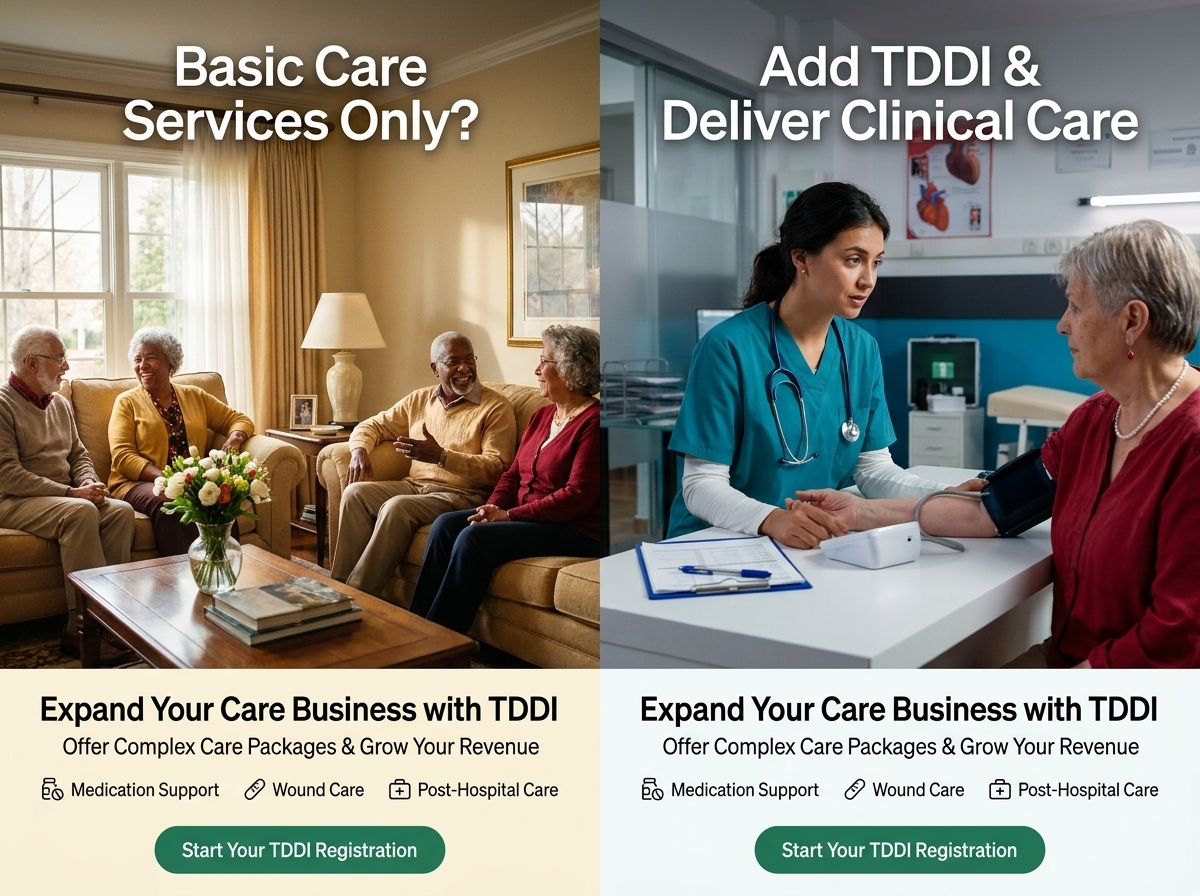
Introducing TDDI services can significantly broaden your agency’s capabilities. However, it requires careful planning and compliance. Meeting the specific standards for TDDI ensures you provide safe and effective care.

By offering TDDI, you position your agency to serve a wider client base with diverse needs. This expansion not only enhances service delivery but also increases potential referrals. Learn about the regulation changes affecting TDDI services.

Integrating Children’s Services CQC

Adding children’s services involves understanding specific CQC requirements for this demographic. This service expansion allows your agency to cater to younger clients, meeting their unique care needs.

Ensure your application addresses safeguarding requirements and staff training standards. Proper planning and compliance can open doors to new contracts with local authorities. Explore guidelines for integrating children’s services.

Clinical Governance in Home Care

Good clinical governance is vital for maintaining high standards in home care services. Implementing effective governance structures helps you monitor and improve care quality.

Regular audits, staff training, and feedback loops are critical components. These strategies ensure your services remain responsive to client needs and compliant with CQC standards. Review the latest regulatory updates for home care governance.

Overcoming Common Registration Challenges

Even with thorough preparation, challenges in the registration process can arise. Here’s how to tackle common obstacles effectively.

Crafting a Provider Information Return (PIR)

The Provider Information Return (PIR) is a detailed document that outlines your service’s readiness and quality. Completing this document thoroughly is crucial.

The PIR highlights your agency’s commitment to quality care and compliance. It should reflect accurate data and insights into your service delivery and outcomes. An incomplete PIR can lead to delays or negative inspection outcomes. Get support with crafting your PIR.

Common Pitfalls in CQC Compliance

Misunderstanding CQC standards or neglecting certain requirements can lead to compliance issues. Regular training and updates on CQC regulations can prevent these pitfalls.

Most agencies struggle with maintaining documentation and adhering to updated policies. Staying informed and proactive can keep your agency on track. Remember, compliance is an ongoing process, not a one-time task.

CQC Consultancy UK Support

Navigating CQC registration can be complex, but you don’t have to do it alone. Hellocare Consulting offers expert guidance and support tailored to your agency’s needs.

Our consultancy services cover everything from interview preparation to policy development. With our support, you can confidently expand your services and maintain compliance. Embrace the opportunity to enhance your care offerings and grow your agency with tailored consultancy.

In summary, CQC registration requires careful planning and ongoing commitment. By understanding the requirements and leveraging expert support, you can successfully navigate the process and expand your services safely.

Avoid penalties and missed growth by acting promptly with Hellocare’s expert support for your care agency.

CQC Registration: A Step‑by‑Step Guide for New and Growing Care Providers

CQC Registration: A Step‑by‑Step Guide for New and Growing Care Providers

Starting CQC registration can feel overwhelming, especially when you’re building a home care agency or expanding domiciliary care services. Each step—from choosing regulated activities to preparing for the Fit Person Interview—requires careful attention and clear understanding. This guide breaks down the process into manageable stages, showing how Hellocare Consulting supports your application, interview preparation, Provider Information Return, and service growth, including adding TDDI and children’s services. Ready to move forward with confidence?

Understanding CQC Registration

Beginning with CQC registration involves understanding the essentials that ensure your care service meets quality standards. Let’s explore each stage for a clear path.

Navigating the Application Process

Starting your application is the first step. You’ll complete forms detailing your service. This includes your Provider Information Return, where every detail matters. Missing information can delay progress, so ensure every section is complete. Each form asks for specifics about your service, like service type and location. Be precise, as this sets the foundation for success. Most providers worry about errors, but careful review reduces stress. Double-check each entry for peace of mind.

Key Regulated Activities Explained

Understanding regulated activities is crucial. These are the services you’re permitted to offer. They range from personal care to more complex activities. Knowing each category helps tailor your application. For example, adding Treatment of Disease, Disorder, and Injury (TDDI) allows for expanded care but requires extra documentation. This step is about aligning your services with regulatory expectations, ensuring you can meet your community’s needs.

Ensuring CQC Compliance Foundations

Compliance is about more than ticking boxes. It’s about embedding quality throughout your service. This involves regular checks and updates to your procedures. Keeping updated on CQC guidelines is essential. Compliance ensures safety and quality, which builds trust with clients. Regular internal audits and staff training form the backbone of a compliant service.

Preparing for the CQC Interview

With your application underway, the next step is preparing for the interview. This stage can make or break your approval.

Mastering the Fit Person Interview

The Fit Person Interview tests your readiness. It’s where you demonstrate your understanding of CQC standards. Prepare thoroughly by reviewing typical questions. Focus on how your service meets each standard. Most assume it’s simple, but preparation is key. Practising answers boosts confidence. Remember, this is your chance to showcase your commitment to quality care.

CQC Interview Preparation Tips

Preparation involves understanding what inspectors expect. They look for evidence of safe, caring, and well-led services. Bring examples of how your service meets these criteria. Use specific cases to highlight your strengths. Think of it as telling your story. Most interviews hinge on real-world examples, so gather evidence early. This shows you’re not just ready in theory but in practice.

Mock Interview Insights

Mock interviews are invaluable. They simulate the real thing, providing practice in a safe environment. They help identify areas needing improvement. Use them to refine your answers and build confidence. It’s like a dress rehearsal for the big day. Many find this step transforms their approach, turning nerves into readiness.

Expanding Your Care Services

Once registered, consider expanding your services. This opens new opportunities and meets broader community needs.

Adding TDDI and Children’s Services

Expanding into TDDI and children’s services diversifies your offerings. Each addition requires specific compliance steps. Ensure your policies reflect these new areas. This expansion involves more than paperwork; it’s about preparing your team and infrastructure to handle new challenges. This step distinguishes your agency, meeting diverse client needs.

Supporting Learning Disability and Autism

Providing services for learning disabilities and autism requires specialised knowledge. Training your team is crucial. This ensures your service can effectively support these clients. Developing tailored programs improves care quality and meets CQC standards. It’s about understanding and adapting to specific client needs, which enhances service impact.

Hellocare Consulting’s Role in Growth

Hellocare Consulting supports your growth journey. From initial application to service expansion, they provide expert guidance. Their tailored approach ensures you meet all CQC standards, with a focus on quality and compliance. With their support, you navigate complexities with ease, paving the way for successful service expansion.

Avoid penalties and missed growth by acting promptly with Hellocare’s expert support for your care agency.

Navigating Regulatory Change in Social Care: How Expert Consultancy Supports Your Agency

Navigating Regulatory Change in Social Care: How Expert Consultancy Supports Your Agency

Regulatory changes from the Care Quality Commission can feel overwhelming for care agencies trying to maintain quality and compliance. You may be updating policies, preparing for fit person interviews, or completing the Provider Information Return, all while managing day-to-day care delivery. Hellocare Consulting offers structured support tailored to home care and domiciliary providers, helping you navigate CQC registration and regulatory updates with clarity and confidence. Speak to a Hellocare Consulting advisor to map your next regulatory step—CQC registration, PIR preparation, fit person interview coaching, or adding a regulated activity such as Treatment of diseases, disorder and injury (TDDI). Book a consultation today.

Understanding CQC Regulatory Changes

Grasping the latest shifts in CQC regulations is crucial to staying compliant and maintaining high standards in care. Let’s explore how these changes impact your agency and how to adapt effectively.

Impact on Home and Domiciliary Care

The landscape of home and domiciliary care is continuously shaped by new regulations. These rules ensure that care delivery remains safe and effective. For instance, recent updates might affect how you manage staff qualifications or client records. Staying updated is not just about compliance; it’s about providing the best care possible. By understanding these changes, you can anticipate challenges and turn them into opportunities for improvement. Most care providers find that being proactive about regulatory shifts enhances their reputation and service quality.

Adapting to New Requirements

Adapting to new requirements isn’t just a task; it’s an avenue for growth. Begin by reviewing your current processes with an open mind. This approach can uncover areas where your agency can excel. Engaging your team in training sessions can boost morale and ensure everyone is on the same page. Don’t hesitate to seek expert advice to streamline this transition. Many agencies have found success by focusing on continuous learning and openness to change. Remember, the longer you wait, the more challenging it becomes to catch up. Here’s the key insight: embrace changes early and position your agency as a leader in quality care.

Expert Consultancy for CQC Compliance

In the complex realm of CQC compliance, having expert guidance can make all the difference. Discover how consultancy can provide the support you need to navigate these waters confidently.

Comprehensive Guidance and Support

Expert consultancy offers a wealth of benefits. With tailored advice, you can navigate compliance challenges with ease. Consultants can help identify specific areas requiring attention, ensuring your agency meets all CQC standards. This comprehensive support means fewer disruptions and more focus on providing excellent care. By partnering with experienced advisors, many agencies have drastically reduced their compliance-related stress. As a result, you can operate with increased confidence, knowing your procedures align with regulatory expectations.

Tailored Policy Development

Policies are the backbone of compliance. Developing tailored policies ensures that your agency not only meets but exceeds CQC requirements. Begin by analyzing existing policies to identify gaps. Consultants provide the expertise to craft documents that reflect the latest standards and best practices. With robust policies in place, your team can deliver consistent and safe care. This proactive approach not only satisfies regulators but also reassures clients of your commitment to excellence.

Expanding Services with Confidence

Expanding your service offerings is a strategic move. With the right guidance, you can add new regulated activities without compromising on quality.

Adding Regulated Activities

Adding regulated activities like Treatment of Diseases, Disorder, and Injury (TDDI) can significantly enhance your service portfolio. It requires careful planning and adherence to CQC guidelines. Start by assessing your current capabilities and identifying areas for expansion. With expert consultancy, you can ensure that all new services align with regulatory expectations. This expansion not only meets client needs but also positions your agency as a comprehensive care provider. As demand for diverse care options rises, being equipped to offer specialized services makes your agency a preferred choice for clients.

Navigating CQC Registration and PIR

Navigating CQC registration and the Provider Information Return (PIR) is a critical step. It involves detailed documentation and understanding of your agency’s operations. Consultants can support you in preparing and submitting accurate PIRs, minimizing the risk of non-compliance. By staying proactive, you avoid the pitfalls of last-minute preparations and ensure a smooth registration process. Many agencies find that thorough preparation enhances their operational efficiency and readiness for inspections. This strategic focus on compliance not only safeguards your agency but also builds trust with clients and stakeholders.

Explore proven strategies for smooth CQC approval and service growth with expert support.

Navigating Regulatory Change in Social Care: How Expert Consultancy Supports Your Agency

Navigating Regulatory Change in Social Care: How Expert Consultancy Supports Your Agency

Regulatory changes from the Care Quality Commission can feel overwhelming for care agencies trying to maintain quality and compliance. You may be updating policies, preparing for fit person interviews, or completing the Provider Information Return, all while managing day-to-day care delivery. Hellocare Consulting offers structured support tailored to home care and domiciliary providers, helping you navigate CQC registration and regulatory updates with clarity and confidence. Speak to a Hellocare Consulting advisor to map your next regulatory step—CQC registration, PIR preparation, fit person interview coaching, or adding a regulated activity such as Treatment of diseases, disorder and injury (TDDI). Book a consultation today.

Understanding CQC Regulatory Changes

Grasping the latest shifts in CQC regulations is crucial to staying compliant and maintaining high standards in care. Let’s explore how these changes impact your agency and how to adapt effectively.

Impact on Home and Domiciliary Care

The landscape of home and domiciliary care is continuously shaped by new regulations. These rules ensure that care delivery remains safe and effective. For instance, recent updates might affect how you manage staff qualifications or client records. Staying updated is not just about compliance; it’s about providing the best care possible. By understanding these changes, you can anticipate challenges and turn them into opportunities for improvement. Most care providers find that being proactive about regulatory shifts enhances their reputation and service quality.

Adapting to New Requirements

Adapting to new requirements isn’t just a task; it’s an avenue for growth. Begin by reviewing your current processes with an open mind. This approach can uncover areas where your agency can excel. Engaging your team in training sessions can boost morale and ensure everyone is on the same page. Don’t hesitate to seek expert advice to streamline this transition. Many agencies have found success by focusing on continuous learning and openness to change. Remember, the longer you wait, the more challenging it becomes to catch up. Here’s the key insight: embrace changes early and position your agency as a leader in quality care.

Expert Consultancy for CQC Compliance

In the complex realm of CQC compliance, having expert guidance can make all the difference. Discover how consultancy can provide the support you need to navigate these waters confidently.

Comprehensive Guidance and Support

Expert consultancy offers a wealth of benefits. With tailored advice, you can navigate compliance challenges with ease. Consultants can help identify specific areas requiring attention, ensuring your agency meets all CQC standards. This comprehensive support means fewer disruptions and more focus on providing excellent care. By partnering with experienced advisors, many agencies have drastically reduced their compliance-related stress. As a result, you can operate with increased confidence, knowing your procedures align with regulatory expectations.

Tailored Policy Development

Policies are the backbone of compliance. Developing tailored policies ensures that your agency not only meets but exceeds CQC requirements. Begin by analyzing existing policies to identify gaps. Consultants provide the expertise to craft documents that reflect the latest standards and best practices. With robust policies in place, your team can deliver consistent and safe care. This proactive approach not only satisfies regulators but also reassures clients of your commitment to excellence.

Expanding Services with Confidence

Expanding your service offerings is a strategic move. With the right guidance, you can add new regulated activities without compromising on quality.

Adding Regulated Activities

Adding regulated activities like Treatment of Diseases, Disorder, and Injury (TDDI) can significantly enhance your service portfolio. It requires careful planning and adherence to CQC guidelines. Start by assessing your current capabilities and identifying areas for expansion. With expert consultancy, you can ensure that all new services align with regulatory expectations. This expansion not only meets client needs but also positions your agency as a comprehensive care provider. As demand for diverse care options rises, being equipped to offer specialized services makes your agency a preferred choice for clients.

Navigating CQC Registration and PIR

Navigating CQC registration and the Provider Information Return (PIR) is a critical step. It involves detailed documentation and understanding of your agency’s operations. Consultants can support you in preparing and submitting accurate PIRs, minimizing the risk of non-compliance. By staying proactive, you avoid the pitfalls of last-minute preparations and ensure a smooth registration process. Many agencies find that thorough preparation enhances their operational efficiency and readiness for inspections. This strategic focus on compliance not only safeguards your agency but also builds trust with clients and stakeholders.

Explore proven strategies for smooth CQC approval and service growth with expert support.

Don’t Let Poor Preparation Destroy Your Care Business Before It Starts: A Practical CQC Start‑Up Readiness Guide

Don’t Let Poor Preparation Destroy Your Care Business Before It Starts: A Practical CQC Start‑Up Readiness Guide

Starting a care business without thorough preparation can lead to costly setbacks before you even open your doors. Many new providers underestimate the detailed steps involved in CQC registration and early operations, which can stall progress and cause avoidable challenges. This guide will walk you through key aspects like the CQC fit person interview and the Provider Information Return, helping you build a strong foundation from day one. Ready to start strong? Let’s ensure your care business is ready for success. Check this article for more insights.

Preparing for CQC Registration

Embarking on the journey of starting a care business involves meeting several essential CQC requirements. Let’s dive into understanding these requirements and how to build a solid governance framework.

Understanding CQC Requirements

The Care Quality Commission (CQC) plays a vital role in ensuring care services meet necessary standards. You need to familiarize yourself with their key standards for safety, care, and leadership. Each care provider must address five key questions: Are you safe, caring, effective, responsive, and well-led? To meet these, you’ll need compliant policies and a thorough understanding of your service model. This knowledge forms the backbone of a successful application.

Building a Strong Governance Framework

A robust governance framework is fundamental for CQC registration. This includes having clear leadership roles, strong decision-making processes, and effective monitoring systems. A well-structured governance plan not only satisfies CQC’s expectations but also helps in maintaining operational excellence. Regular audits and quality checks should be part of your routine to ensure ongoing compliance and improvement.

Crafting Your Statement of Purpose

Your Statement of Purpose is a critical document that outlines the who, what, and how of your service. It should clearly state your aims, the services you offer, and the needs you intend to meet. This statement is more than a formality; it communicates your vision to the CQC and your clients. Make it detailed, specific, and aligned with regulatory expectations to pave the way for a successful registration process.

Common Start-Up Pitfalls

While preparing for registration, it’s crucial to be aware of common pitfalls that can derail your progress. Avoiding these mistakes will safeguard your business against unnecessary setbacks.

Avoiding CQC Interview Mistakes

The CQC fit person interview can be a hurdle for many. Preparation is key. Understand the types of questions that may be asked and practice clear, confident responses. This interview tests your knowledge of regulations and your readiness to lead a care service. Mock interviews can provide valuable practice and boost your confidence.

Ensuring Safe Staffing and Recruitment

Staff recruitment is a cornerstone of your care service. Ensuring that you hire qualified, vetted, and trained staff is essential for compliance. Conduct thorough background checks and provide comprehensive training to maintain high standards of care. Effective staffing not only meets CQC requirements but also enhances service quality.

Developing Effective Policies and Procedures

Developing policies and procedures tailored to your service type is critical. These documents should cover all operational aspects, from safeguarding to medication management. Well-defined procedures ensure consistency and support your team in delivering high-quality care. Regular updates and reviews help keep these documents relevant and effective.

Supporting Your Care Business

To ensure long-term success, your care business must be well-prepared and supported at every stage of its development. Here are some key strategies to consider.

CQC Readiness Checklist Essentials

A CQC readiness checklist is an invaluable tool for ensuring that all necessary components are in place before your inspection. This checklist should cover everything from documentation and staffing to emergency procedures. Use it as a guide to assess your preparedness and address any gaps proactively.

Importance of Mock CQC Interviews

Mock interviews are an excellent way to prepare for the actual CQC inspection. They help you practice responses, refine your knowledge, and build confidence. By simulating the interview environment, you can identify areas for improvement and ensure you’re ready to impress the inspectors.

Tailored PIR Support and Guidance

The Provider Information Return (PIR) is a crucial document that provides the CQC with insights into your service. Tailored support in completing this form can greatly enhance your submission. Expert guidance ensures that your PIR is comprehensive, accurate, and reflective of your service’s quality and commitment to care.

In conclusion, meticulous preparation and awareness of potential pitfalls are key to a successful CQC registration. By understanding requirements, building strong governance, and avoiding common mistakes, you can set a solid foundation for your care business. Remember, each step towards readiness is an investment in your business’s future and the quality of care you provide. For more advice and insights, join discussions with other care providers in this Facebook group.

Call 07508823495 to book a free 30 mins session to discuss your CQC registration requirement needs.

CQC Registration: Common Obstacles and Expert Strategies to Overcome Them

CQC Registration: Common Obstacles and Expert Strategies to Overcome Them

Many care providers face unexpected hurdles during their CQC registration process that can delay or complicate approval. These common obstacles often relate to evidence gaps, unclear policies, or challenges in fit person interview preparation. In this post, you’ll find clear strategies to strengthen your application, demonstrate compliance confidently, and prepare for key steps like the Provider Information Return. Let Hellocare Consulting guide you through every stage to secure your registration and support your service expansion plans. Learn more here.

Overcoming CQC Registration Challenges

Embarking on the path to CQC registration can seem overwhelming. It’s not just about filling forms; it’s about proving your capability to provide safe and effective care. Let’s explore the common pitfalls and how to navigate them.

Navigating Common Pitfalls

The first hurdle many face is incomplete documentation. Missing or improperly filled forms often lead to delays. Ensure every form is detailed and accurate. Policies are another sticking point. They must meet current laws and show how you’ll deliver care safely. If policies are vague or outdated, improve them now.

Unclear responses to CQC’s questions can cause issues. Be precise and consistent. Use examples to highlight your service’s strengths. Don’t underestimate this step. It’s crucial to show how you meet CQC standards, like safety and well-being. By addressing these areas, you set a strong foundation for success.

Strengthening Your Application

Your application needs to reflect your service’s unique qualities. Start by reviewing each section carefully. Ensure that policies are up-to-date and meet CQC’s requirements. If you’re unsure, consulting a specialist can provide clarity.

A comprehensive application is your best asset. Include detailed information about governance structures, staff training, and quality assurance processes. These elements demonstrate readiness and commitment to high standards. By focusing on these areas, you increase your chances of a successful registration.

Expert Strategies for Success

Once the foundation is laid, focus on strategies that enhance your application. This includes preparing for the fit person interview and linking evidence to the CQC framework, ensuring that you’re well-prepared for every requirement.

Preparing for the Fit Person Interview

The fit person interview is a critical step. It assesses your understanding of regulations and your ability to lead. Start by familiarizing yourself with CQC’s key lines of enquiry. Practice common interview questions and develop clear, concise responses.

Role-playing interviews can boost confidence. Engage with peers or mentors who can provide feedback. This preparation helps reduce anxiety and ensures you’re ready to showcase your competence and leadership skills during the actual interview.

Mapping Evidence to CQC Framework

Aligning your evidence with the CQC framework is vital. This means showing how your service meets the standards of being safe, effective, caring, responsive, and well-led. Gather documentation that supports these claims.

Provide examples of quality initiatives, staff training, and patient feedback. These illustrate your commitment to excellence. A well-documented approach not only supports your application but also sets a standard for continuous improvement in your service delivery.

Expanding Care Services with Confidence

Once registered, you may wish to expand your services. Whether adding regulated activities or children’s services, it requires careful planning. Let’s look at how you can do this with assurance.

Adding Regulated Activities and TDDI

Adding regulated activities like Treatment of Disease, Disorder, and Injury (TDDI) broadens your service offerings. Start by identifying the specific needs of your community. This ensures your expansion is both strategic and beneficial.

Ensure compliance with CQC for these new services. Update policies and train staff accordingly. By aligning expansion plans with community needs, you open doors to new opportunities and enhance the care provided to clients.

Integrating Children’s Services and Autism Pathways

Integrating children’s services and autism pathways requires a tailored approach. Understand the regulatory requirements specific to these services. This involves developing specialized policies and staff training programs.

Engage with stakeholders, like families and local authorities, to tailor services effectively. By focusing on compassionate and responsive care, you build a reputation for excellence. This not only supports children’s needs but also strengthens your position as a comprehensive care provider.

In conclusion, navigating CQC registration and expanding services are challenging yet rewarding undertakings. With meticulous preparation and strategic planning, you can enhance your service offerings and ensure compliance. Hellocare Consulting is here to support you every step of the way. Together, we can achieve success in delivering high-quality care.

Call 07508823495 to book a free 30 mins session to discuss your CQC registration requirement needs.

Applying for CQC Without Expert Help? Read This First

Applying for CQC Without Expert Help? Read This First

Applying for CQC registration without expert help often takes more time and effort than you expect. You’ll need to gather detailed evidence, meet strict requirements, prepare policies, and face the Fit Person Interview—all while managing your daily responsibilities. This guide explains what a DIY CQC application really involves, so you can decide when professional support from HelloCare Consulting can save you time, reduce errors, and strengthen your chances of success. Book your complimentary 20-minute readiness call to start on the right path. Learn more here.

Understanding CQC Registration

Navigating the CQC registration process involves several key elements. It’s crucial to be well-prepared and informed to ensure a successful application.

Key Requirements and Policies

Every care provider must meet specific regulations set by the CQC. These include having a registered manager and appropriate policies in place. Your policies must demonstrate how your service will operate safely and effectively. Most people think a few generic policies will suffice, but this can lead to delays or rejections. Instead, tailor your policies to reflect your service’s unique aspects.

One important requirement is the Provider Information Return (PIR). This document details your service’s operations and is vital for compliance. Completing it accurately can avoid unexpected issues later. Remember, the CQC looks for evidence of a strong governance framework and a commitment to continuous improvement.

Essential Evidence and Timelines

Gathering the necessary evidence is a critical step in your application. This includes proof of financial viability and detailed business plans. Make sure to allocate time for collecting evidence, as missing documents can prolong the process. The average registration takes several weeks, and any errors can cause further setbacks.

Most applicants underestimate the time needed to compile evidence. Establish a timeline early on to keep your application on track. If you’re ready for registration, learn more about the CQC’s requirements.

Preparing for the Fit Person Interview

The Fit Person Interview is a crucial part of the CQC registration. It’s designed to assess your understanding and readiness to provide quality care.

Common CQC Interview Questions

Preparing for the interview involves understanding common questions and their implications. You might be asked about your service’s safeguarding measures or how you plan to maintain quality care. These questions test your knowledge of regulations and your ability to manage a care service.

Practice clear and concise responses to potential questions. This not only boosts your confidence but also demonstrates your preparedness to the CQC. Knowing what to expect can drastically reduce interview stress and increase your chances of success.

Mock Interview Benefits

A mock interview can be invaluable for preparation. It offers a chance to practice responses and receive feedback. Engaging in a mock session helps identify areas of improvement, which is often overlooked. Most providers find that a trial run significantly boosts their performance in the actual interview.

Consider seeking expert guidance for your mock interviews. HelloCare Consulting offers tailored sessions that can enhance your readiness and confidence.

Expanding Care Services

Once registered, you might consider expanding your services. This section explores adding new services and the benefits it brings.

Adding Children’s Services

Adding children’s services can expand your client base and increase your service offering. It’s not just a simple addition; it requires compliance with specific regulations. The demand for children’s services is growing, making this a strategic move.

You’ll need to develop new policies tailored to children’s care and ensure staff are properly trained. This expansion could also mean new collaborations with local authorities and healthcare providers. Joining discussions on platforms like Facebook can offer insights and support.

Introducing TDDI and LD Autism Services

Offering Treatment of Diseases, Disorders, and Injury (TDDI) or learning disability and autism services is another way to diversify. These services require specific expertise and compliance with additional guidelines.

Adding TDDI can position your service as a comprehensive care provider. It opens doors to new referrals and long-term contracts. Expanding into LD and autism services requires understanding the unique needs of these clients and tailoring your service delivery accordingly.

In conclusion, while a DIY CQC application is possible, understanding the complexities can save time and stress. Professional support can ensure your application is comprehensive and meets all requirements. Consider your options and decide if expert help might be the right choice for your care service journey.

Call 07508823495 to book a free 30 mins session to discuss your CQC registration requirement needs.

Don’t Let Poor Preparation Damage Your Care Business Before It Starts

Don’t Let Poor Preparation Damage Your Care Business Before It Starts

Poor preparation can derail your care business before it even opens its doors. Without a solid plan for CQC registration, including thorough CQC interview preparation and accurate Provider Information Return completion, you risk delays and setbacks. This guide explains how careful readiness supports a smooth launch and sustainable growth, especially when expanding services like children’s care or treatment of disease, disorder or injury. Book a consultation with Hellocare Consulting to secure your next steps with confidence. For additional insights, you may find this guide on starting a home healthcare agency helpful.

Essential Preparation for CQC Registration

Starting a care business is exciting, but there’s a lot to get right from the start. A key part of this is understanding the essential steps in preparing for CQC registration.

Understanding CQC Requirements

To start, you must grasp the basics of CQC requirements. The Care Quality Commission is the independent regulator of health and social care in England, and meeting their standards is crucial. Without this, you can’t legally operate. It’s not just about ticking boxes; you need to show your service is safe, effective, and well-led.

You might think you can cut corners, but most are surprised by the detail the CQC demands. An incomplete application can lead to delays or even rejection. To get a sense of the broader steps involved, check out this guide on starting a home health agency.

The Role of Policies and Procedures

Policies and procedures aren’t just paperwork; they’re your roadmap to running a compliant care service. They set out how your service operates day-to-day, ensuring consistency and safety. Without them, you risk non-compliance, which can lead to serious repercussions.

Creating these documents from scratch can feel overwhelming. It’s not just about writing them; they need to be tailored to your service type, whether it’s home care or something more specialized. If you’re expanding your services, these documents should evolve too. Many new providers find that professional support can make a big difference in crafting effective policies.

Mastering the Provider Information Return

The Provider Information Return (PIR) is a key part of your CQC registration. It’s a document where you detail your service’s performance and quality. The CQC uses this to assess how well your service meets the required standards.

Getting this right is crucial. A well-prepared PIR can position your service favourably, while a poorly completed one can result in further scrutiny. It’s important to provide clear, accurate information. Many providers find that having a checklist helps ensure nothing is missed. Remember, this isn’t just a one-time task; you’ll need to update it regularly to reflect changes in your service.

Interview Preparation and Support

Once your paperwork is in order, the next step involves preparing for the crucial CQC interviews. These interviews are where your understanding of your service and the regulations will be tested.

Navigating the CQC Fit Person Interview

The CQC Fit Person Interview is a significant milestone. It’s designed to assess whether you’re suitable to manage a care service. This interview looks at your understanding of regulations and your leadership capabilities.

To succeed, you need to show you can lead your service effectively. This involves not just knowing the regulations, but understanding how they apply to your service. You’ll face questions on various topics, from staffing to governance. Preparation is key, and practice makes perfect. Consider mock interviews as a way to build confidence and ensure you’re ready when the day comes.

Importance of Mock CQC Interviews

Mock interviews are a powerful tool in your preparation arsenal. They simulate real interview conditions, helping you identify any gaps in your knowledge or areas where you may need more clarity.

During a mock interview, you’ll get a taste of the types of questions the CQC might ask. This practice allows you to refine your answers and approach. It’s an opportunity to receive feedback and make improvements. Remember, the longer you wait to prepare, the more anxious you may feel. Engaging in mock interviews can help alleviate some of that stress and boost your confidence.

Expanding Your Care Services

Once your service is up and running, you might consider expanding your offerings. This could involve adding new services to meet the needs of your community.

Adding Children’s Services to Your Offering

Expanding to include children’s services can be rewarding. It allows you to support families and meet increasing demand. However, this isn’t just a simple add-on. It requires specific policies, training, and compliance with additional regulations.

Providing care for children involves unique challenges. You’ll need to demonstrate that your service can meet the safeguarding and care needs of younger people. This includes having trained staff and appropriate facilities. By expanding thoughtfully, you not only broaden your reach but also enhance your reputation as a comprehensive care provider.

Navigating TDDI and Other Specialised Services

Adding services like Treatment of Disease, Disorder, and Injury (TDDI) can further enhance your offering. These are specialised services that require specific expertise and facilities.

Before you expand, you need a clear understanding of the regulatory requirements. This includes ensuring your staff have the necessary skills and that your facilities meet the required standards. Expanding into specialised services can set your business apart, but it requires careful planning and preparation. By investing in the right training and resources, you can provide essential care to those who need it most.

In summary, careful preparation is key to a successful CQC registration and service expansion. By understanding the requirements and preparing thoroughly, you set your business on a path to sustainable growth and success.

Call 07508823495 to book a free 30 mins session to discuss your CQC registration requirement needs.

Leadership and compliance in care agencies: a practical guide to CQC‑ready governance

Leadership and compliance in care agencies: a practical guide to CQC‑ready governance

Strong leadership is the backbone of compliance in care agencies, yet many leaders struggle to meet CQC’s exacting standards. Your care agency’s success depends on mastering governance, culture, and quality assurance in care to stand up under scrutiny. This guide breaks down how effective care agency leadership drives CQC registration readiness and offers practical steps, tools and training to help you excel. For further insights, you can explore more here.

Strengthening Leadership and Compliance

Ready to transform your care agency’s leadership? Strong leadership doesn’t just manage; it inspires teams to meet and exceed standards, ensuring your agency excels in compliance.

Effective Care Agency Leadership

Great leaders know the importance of setting clear goals and empowering their teams. This means not just outlining expectations but also providing the tools for success. Effective leaders are proactive, always looking for ways to improve and innovate. They listen to their staff, valuing their input and addressing concerns promptly. This open communication fosters trust, creating a cohesive team focused on quality care.

A story to consider: Jane, a care manager, noticed her team’s morale was low. By holding regular meetings and encouraging feedback, she turned things around. Her team felt heard and motivated, leading to improved performance and compliance. Remember, leadership isn’t just about being in charge; it’s about creating an environment where everyone can thrive.

Implementing Good Governance

Good governance is the backbone of a compliant care agency. It’s not just about following rules, but about creating a culture of accountability and transparency. Start by setting clear policies that align with CQC standards. Regular audits and feedback sessions help ensure that these policies are being followed and remain effective.

Data shows that agencies with structured governance frameworks have a 30% higher rate of positive CQC inspections. By establishing a strong governance framework, you not only meet regulatory requirements but also ensure your team knows what’s expected, reducing stress and improving job satisfaction.

Building a Positive Care Culture

A positive care culture is vital for both staff and clients. It involves creating an atmosphere where everyone feels respected and valued. When staff feel appreciated, they are more likely to go above and beyond in their roles. Encourage teamwork and open communication, and ensure that all team members, from caregivers to managers, have a shared understanding of the agency’s goals.

In a study, care homes with a supportive culture reported a 25% decrease in staff turnover. Focus on fostering an environment where staff feel empowered to provide the best care. This not only enhances compliance but also improves client satisfaction.

For further reading, check out this article on the importance of culture in healthcare.

Mastering CQC Compliance

Building on strong leadership and governance, mastering CQC compliance is essential. Let’s explore how to effectively prepare for CQC registration and navigate associated challenges.

Preparing for CQC Registration

Preparing for CQC registration can seem daunting, but it boils down to being organized and informed. Start by gathering all necessary documents and evidence that you meet CQC standards. This includes policies on care delivery, staff training records, and safety protocols. Regularly review and update these documents to ensure they reflect current practices.

It’s crucial to involve your team in this process. Encourage them to understand the standards and how their roles contribute to meeting them. This shared responsibility not only prepares you for registration but also strengthens your agency’s overall compliance framework.

For a deeper dive into compliance strategies, visit this link.

Navigating the CQC Fit Person Interview

The CQC Fit Person Interview is a key step in the registration process. This interview assesses the capability of the person responsible for managing the service. Preparation is key: understand the areas of care you will be questioned on, and be ready to discuss your experience and knowledge.

Consider scheduling mock interviews to build confidence and address any gaps in knowledge. Remember, this interview isn’t just an assessment; it’s an opportunity to showcase your leadership skills and commitment to high-quality care.

Understanding Provider Information Return

The Provider Information Return (PIR) is a critical document for ongoing compliance. It requires a comprehensive overview of your service, including performance, challenges, and improvements. To complete it effectively, keep accurate records and regularly update your data. This ensures that your PIR reflects your agency’s current operations and compliance status.

Agencies that actively use the PIR to identify and address areas for improvement often see better inspection outcomes. By using the PIR as a living document, you can drive continuous improvement in your agency.

For more insights on compliance in care, read this article.

Expanding Your Care Services

Once you’ve mastered compliance, it’s time to think about growth. Expanding your care services can bring new opportunities and challenges. Here’s how to do it right.

Adding Children’s Services

Adding children’s services requires careful planning and understanding of specific regulatory requirements. Begin by researching the standards set by the CQC for children’s care. This includes understanding staffing ratios, safety requirements, and specific care protocols. Engage with staff to ensure they are trained and ready to deliver these services safely and effectively.

Consider case studies of successful service expansions. One agency added children’s services and saw a 50% increase in client base within a year. Their success lay in thorough preparation and staff involvement.

Exploring Treatment of Diseases, Disorder and Injury

Expanding into the treatment of diseases, disorders, and injury (TDDI) can diversify your services and meet more client needs. This involves acquiring the necessary staff expertise and ensuring your facilities meet the required standards. It’s essential to understand the specific compliance requirements for TDDI to avoid potential pitfalls.

By offering these services, your agency can position itself as a comprehensive care provider, attracting a wider client base. Remember, expansion should be strategic and well-planned, focusing on quality care delivery.

Strategic Service Expansion in Care

Strategic expansion involves careful planning and assessment of your current capabilities. Identify potential areas for growth, whether it’s new services or entering new geographic markets. Conduct thorough market research to understand demand and ensure you have the resources to meet it.

Successful agencies focus on gradual expansion, ensuring that quality remains high as they grow. This strategy not only supports compliance but also builds a strong reputation in the care sector.

For a more detailed approach to ensuring compliance in care, consider this resource.

By focusing on leadership, compliance, and strategic growth, your care agency can thrive under CQC standards, providing high-quality care and expanding your service offerings successfully.

CQC Registration: Common Obstacles and Expert Strategies to Overcome Them

CQC Registration: Common Obstacles and Expert Strategies to Overcome Them

Many care providers find CQC registration more complex than anticipated, facing common obstacles that slow their progress. Missing key details in your CQC provider application can lead to delays and extra work. This guide outlines practical strategies to strengthen your application, prepare for registered manager requirements, and plan confidently for expanding services like TDDI and children’s care. Learn more.

Understanding CQC Registration Challenges

The journey of CQC registration is riddled with challenges, but understanding these can pave the way to success. Let’s dive deeper into some common hurdles and how to navigate them effectively.

Navigating CQC Provider Application

Getting started with your CQC provider application can feel overwhelming. The key is to break it down into manageable steps. Begin by gathering all necessary documents. Ensure you have comprehensive policies, detailed compliance plans, and clear governance structures. Many find it helpful to create a checklist to track progress and avoid missing crucial elements. Successful navigation of the application process requires attention to detail and a commitment to meeting all outlined standards. Remember, a well-prepared application not only speeds up the process but also demonstrates your commitment to quality care.

Common Pitfalls in Home Care Agency Registration

Home care agency registration often trips up new providers. One major pitfall is insufficient documentation. Ensure all necessary forms and policies are complete and current. Another common issue is inadequate staff training evidence. Clearly outline your recruitment and training processes to showcase your dedication to high standards. Lastly, don’t underestimate the importance of a solid business plan. This not only helps in securing registration but also sets your agency up for long-term success.

Overcoming Registered Manager Requirements

The role of a registered manager is crucial in the CQC registration process. To meet the requirements, focus on demonstrating your leadership capabilities and compliance knowledge. It’s vital to present well-documented evidence of your qualifications and experience. Prepare thoroughly for the fit person interview, highlighting how you manage your team and ensure excellent care standards. By showcasing your strengths, you can confidently meet the CQC’s expectations and enhance your application’s success.

Expert Strategies for Success

Now that you’re aware of the challenges, let’s explore expert strategies designed to elevate your CQC registration process.

Fit Person Interview Preparation Tips

Preparing for the fit person interview is all about confidence and clarity. Start by understanding the core competencies required. Practice common questions with a colleague or mentor, focusing on areas like safeguarding and leadership. Use real-life examples to illustrate your points and demonstrate your suitability. The more familiar you are with the expectations, the more confidently you’ll perform. Remember, this interview is your opportunity to highlight your strengths, so make the most of it.

Crafting a Strong Statement of Purpose CQC

A robust Statement of Purpose is crucial. This document should clearly define your service goals and show how you plan to achieve them. Start by outlining your mission and the services you offer. Be specific about your target audience and the impact you aim to have. Detail your operational strategies and how you maintain high standards of care. Crafting a compelling statement not only supports your application but also guides your service delivery.

Enhancing Well-led Governance in Care

Strong governance is the backbone of a successful care service. Begin by establishing clear leadership structures and decision-making processes. Ensure that all team members understand their roles and responsibilities. Implement regular audits and reviews to monitor service quality. Importantly, foster a culture of transparency and accountability. By prioritising governance, you not only meet CQC standards but also build a resilient and effective organisation.

Planning for Expansion in Care Services

Once your foundation is secure, consider expanding your services. Here’s how you can plan for growth while maintaining compliance.

Adding TDDI to CQC Registration

Incorporating Treatment of Disease, Disorder, and Injury (TDDI) into your services can significantly enhance your offerings. Start by reviewing the specific CQC requirements for TDDI. Update your policies and ensure your staff is adequately trained. This addition not only broadens your service scope but also meets growing client needs. Planning carefully and preparing thoroughly will help you integrate this service smoothly.

Including Children’s Services and LDA Pathways

Expanding into children’s services and Learning Disability and Autism (LDA) pathways requires strategic planning. Evaluate the specific needs of these groups and adjust your services accordingly. Ensure your staff is trained in specialised care approaches. Update your safeguarding policies to reflect the unique requirements of children and individuals with learning disabilities. This expansion not only diversifies your offerings but also positions you as a comprehensive care provider.

Leveraging PIR Support for Growth

Provider Information Return (PIR) is an invaluable tool for growth. Use it to assess your current performance and identify areas for improvement. Gather feedback from stakeholders to guide your expansion efforts. Regularly updating your PIR ensures you’re always ready for CQC reviews. By leveraging this support, you can strategically plan your growth and enhance your service quality.

With these strategies in hand, you’re well-equipped to tackle CQC registration challenges and seize opportunities for growth. Remember, preparation and planning are your best allies in achieving compliance and excellence.

Call 07508823495 to book a free 30 mins session to discuss your CQC registration requirement needs.