Tag: Treatment of disease disorder or injury

Woman in a beige blazer speaks while gesturing, seated on a wooden deck with brochures and a coffee cup beside her.

CQC Fundamental Standards: A Practical Guide for New and Growing Care Providers

Many new care providers find the CQC Fundamental Standards overwhelming at first. You might wonder how these standards translate into everyday care that is safe, effective, caring, responsive and well-led. This guide will break down what ‘good’ looks like in practice and how Hellocare Consulting supports you through CQC registration, policies, fit person interview preparation, and service expansion. Ready to build a compliant, confident care service? Keep reading to get started.

Understanding CQC Fundamental Standards

Navigating the CQC Fundamental Standards is crucial for care providers aiming to deliver quality services. Let’s explore what these standards encompass and their significance in the care industry.

What Are CQC Fundamental Standards?

The CQC Fundamental Standards serve as a benchmark for care providers, ensuring that services are safe, effective, caring, responsive, and well-led. They cover a range of areas, from patient rights to staff qualifications. These standards are not just guidelines but legal requirements that every care provider must adhere to. Compliance with these standards reassures clients and families of the quality of care provided. Hellocare Consulting is committed to helping you understand and meet these requirements, providing clarity and support along the way.

Importance of Compliance in Care

Compliance with the CQC standards is not just about meeting regulations; it’s about enhancing the quality of care. Providers who meet these standards build trust with their clients, showing a commitment to safety and quality. Failing to comply can result in penalties and damage to reputation, which is why adherence is crucial. Hellocare Consulting offers the expertise needed to navigate these challenges, providing guidance every step of the way. Our tailored support ensures you maintain a high standard of care, ultimately benefiting your clients and staff.

Common Misconceptions in the Industry

Many believe that meeting CQC standards is a complex and daunting task. Some think it requires an extensive overhaul of existing practices; however, this is not always the case. The key is understanding the requirements and implementing them effectively. Hellocare Consulting dispels these myths by simplifying the process, offering straightforward advice, and providing practical solutions. Most providers discover that with the right support, compliance is achievable and beneficial. Avoid falling into the trap of misinformation; let us guide you towards success.

Implementing Standards in Daily Practice

Now that we’ve covered the fundamentals, let’s delve into how to incorporate these standards into your daily operations.

Practical Examples of ‘Good’ Practice

Implementing CQC policies and procedures effectively requires a clear understanding of what ‘good’ looks like. Imagine a care home where staff regularly attend training sessions and engage with residents, ensuring their needs are met. This proactive approach is crucial. Key practices include maintaining accurate records, conducting regular audits, and promoting a culture of open communication. These elements contribute to a well-rounded service that meets CQC standards.

Key Areas of Focus for Compliance

To ensure compliance, focus on critical areas like safeguarding, staff training, and quality assurance. Each of these plays a vital role in meeting the CQC standards. For instance, safeguarding involves creating a safe environment for residents, while staff training ensures your team is equipped to handle various situations. Quality assurance involves regular checks to maintain high standards. By concentrating efforts in these areas, your service can consistently meet and exceed expectations, building a solid reputation.

Addressing Challenges with Confidence

Challenges in maintaining compliance are inevitable, but with the right support, they can be managed effectively. Hellocare Consulting provides tailored solutions to common issues such as staff turnover and policy implementation. By addressing these challenges head-on, you can maintain a high level of care without compromising on quality. Remember, most providers face similar hurdles, but with the right support and resources, you can overcome them with confidence.

Support Services for New Providers

For those new to the industry, comprehensive support is essential. Discover how Hellocare Consulting can assist you in navigating the complexities of CQC registration and daily operations.

Comprehensive CQC Registration Support

Starting a care service involves numerous steps, and CQC registration is a critical one. Hellocare Consulting offers a comprehensive guide to streamline this process. From understanding the requirements to preparing necessary documents, our support ensures you are well-prepared. Many new providers find this assistance invaluable, as it simplifies what can be a daunting task. With our expertise, you can focus on delivering quality care from the outset.

Tailored Policies and Procedures

Developing tailored policies and procedures is vital for compliance and smooth operations. Hellocare Consulting provides bespoke solutions that align with CQC standards, ensuring all aspects of your service are covered. Our approach includes assessing your current practices and suggesting improvements. This level of customization ensures your policies not only meet regulatory requirements but also enhance your service delivery. By integrating these procedures, you create a robust framework that supports quality care.

Preparing for CQC Fit Person Interview

The CQC Fit Person Interview is a crucial step in the registration process. Preparing for this interview can be stressful, but with the right support, you can approach it with confidence. Hellocare Consulting offers mock interview sessions and detailed guidance on potential CQC interview questions. This preparation helps you understand what to expect and how to present your service effectively. By investing in this preparation, you ensure a smoother registration process and set the stage for a successful operation.

In summary, understanding and implementing CQC Fundamental Standards is essential for care providers. With the right support from Hellocare Consulting, you can navigate these requirements confidently and effectively, ensuring your service meets the highest standards.

Avoid penalties and missed growth by acting promptly with Hellocare’s expert support for your care agency.

Woman seated at an outdoor wooden table with a laptop, notebook, and colorful sticky notes, looking at the camera.

CQC Registration Made Clear: A Practical Guide for New and Growing Care Providers

CQC Registration Made Clear: A Practical Guide for New and Growing Care Providers

CQC registration can feel overwhelming when you’re starting or expanding a care service. You need to understand the essential steps, from preparing your fit person interview and Provider Information Return to adding regulated activities like Treatment of Disease, Disorder or Injury (TDDI) or children’s services. This guide breaks down the process clearly and shows how Hellocare Consulting supports you every step of the way to build a strong, compliant foundation for your care agency. Explore the latest guidance here.

Essential Steps for CQC Registration

Embarking on your CQC registration journey involves navigating several key steps. Understanding the basics and preparing effectively can make a significant difference.

Understanding Regulated Activities

When it comes to CQC registration, knowing your regulated activities is crucial. These activities determine what services your agency can provide. Examples include personal care and nursing treatment. Each activity has its own standards and requirements set by the Care Quality Commission. You must demonstrate your capability to deliver these services safely and effectively.

Understanding these activities helps you align your agency’s services with CQC standards. This alignment is pivotal in ensuring that you meet regulatory expectations. To dive deeper into these standards, check out the regulations.

Preparing CQC Policies and Procedures

Policies and procedures form the backbone of your CQC registration. These documents cover everything from staff conduct to emergency protocols. They ensure everyone in your agency understands their roles and responsibilities.

Comprehensive policies help in maintaining high-quality service and compliance. Regularly updating these documents is necessary to reflect any regulatory changes. A well-documented procedure can also enhance your team’s efficiency, leading to better care outcomes.

Navigating the Fit Person Interview

The Fit Person Interview is a pivotal part of the CQC registration. It assesses your ability to manage and deliver care services effectively. Preparation is key to succeeding in this interview. Familiarize yourself with potential questions and focus on demonstrating your understanding of CQC standards.

Practicing your responses and highlighting your agency’s strengths can ease the interview process. Consider mock interviews to boost your confidence. Explore tips for interview preparation to ensure success.

Expanding Care Services Safely

Once you have a firm foundation, expanding your services can open new opportunities. This section explores how to add new services while maintaining compliance.

Adding Treatment of Disease, Disorder or Injury (TDDI)

Introducing TDDI services can significantly broaden your agency’s capabilities. However, it requires careful planning and compliance. Meeting the specific standards for TDDI ensures you provide safe and effective care.

By offering TDDI, you position your agency to serve a wider client base with diverse needs. This expansion not only enhances service delivery but also increases potential referrals. Learn about the regulation changes affecting TDDI services.

Integrating Children’s Services CQC

Adding children’s services involves understanding specific CQC requirements for this demographic. This service expansion allows your agency to cater to younger clients, meeting their unique care needs.

Ensure your application addresses safeguarding requirements and staff training standards. Proper planning and compliance can open doors to new contracts with local authorities. Explore guidelines for integrating children’s services.

Clinical Governance in Home Care

Good clinical governance is vital for maintaining high standards in home care services. Implementing effective governance structures helps you monitor and improve care quality.

Regular audits, staff training, and feedback loops are critical components. These strategies ensure your services remain responsive to client needs and compliant with CQC standards. Review the latest regulatory updates for home care governance.

Overcoming Common Registration Challenges

Even with thorough preparation, challenges in the registration process can arise. Here’s how to tackle common obstacles effectively.

Crafting a Provider Information Return (PIR)

The Provider Information Return (PIR) is a detailed document that outlines your service’s readiness and quality. Completing this document thoroughly is crucial.

The PIR highlights your agency’s commitment to quality care and compliance. It should reflect accurate data and insights into your service delivery and outcomes. An incomplete PIR can lead to delays or negative inspection outcomes. Get support with crafting your PIR.

Common Pitfalls in CQC Compliance

Misunderstanding CQC standards or neglecting certain requirements can lead to compliance issues. Regular training and updates on CQC regulations can prevent these pitfalls.

Most agencies struggle with maintaining documentation and adhering to updated policies. Staying informed and proactive can keep your agency on track. Remember, compliance is an ongoing process, not a one-time task.

CQC Consultancy UK Support

Navigating CQC registration can be complex, but you don’t have to do it alone. Hellocare Consulting offers expert guidance and support tailored to your agency’s needs.

Our consultancy services cover everything from interview preparation to policy development. With our support, you can confidently expand your services and maintain compliance. Embrace the opportunity to enhance your care offerings and grow your agency with tailored consultancy.

In summary, CQC registration requires careful planning and ongoing commitment. By understanding the requirements and leveraging expert support, you can successfully navigate the process and expand your services safely.

Avoid penalties and missed growth by acting promptly with Hellocare’s expert support for your care agency.

Don’t Let Poor Preparation Damage Your Care Business Before It Starts

Don’t Let Poor Preparation Damage Your Care Business Before It Starts

Poor preparation can derail your care business before it even opens its doors. Without a solid plan for CQC registration, including thorough CQC interview preparation and accurate Provider Information Return completion, you risk delays and setbacks. This guide explains how careful readiness supports a smooth launch and sustainable growth, especially when expanding services like children’s care or treatment of disease, disorder or injury. Book a consultation with Hellocare Consulting to secure your next steps with confidence. For additional insights, you may find this guide on starting a home healthcare agency helpful.

Essential Preparation for CQC Registration

Starting a care business is exciting, but there’s a lot to get right from the start. A key part of this is understanding the essential steps in preparing for CQC registration.

Understanding CQC Requirements

To start, you must grasp the basics of CQC requirements. The Care Quality Commission is the independent regulator of health and social care in England, and meeting their standards is crucial. Without this, you can’t legally operate. It’s not just about ticking boxes; you need to show your service is safe, effective, and well-led.

You might think you can cut corners, but most are surprised by the detail the CQC demands. An incomplete application can lead to delays or even rejection. To get a sense of the broader steps involved, check out this guide on starting a home health agency.

The Role of Policies and Procedures

Policies and procedures aren’t just paperwork; they’re your roadmap to running a compliant care service. They set out how your service operates day-to-day, ensuring consistency and safety. Without them, you risk non-compliance, which can lead to serious repercussions.

Creating these documents from scratch can feel overwhelming. It’s not just about writing them; they need to be tailored to your service type, whether it’s home care or something more specialized. If you’re expanding your services, these documents should evolve too. Many new providers find that professional support can make a big difference in crafting effective policies.

Mastering the Provider Information Return

The Provider Information Return (PIR) is a key part of your CQC registration. It’s a document where you detail your service’s performance and quality. The CQC uses this to assess how well your service meets the required standards.

Getting this right is crucial. A well-prepared PIR can position your service favourably, while a poorly completed one can result in further scrutiny. It’s important to provide clear, accurate information. Many providers find that having a checklist helps ensure nothing is missed. Remember, this isn’t just a one-time task; you’ll need to update it regularly to reflect changes in your service.

Interview Preparation and Support

Once your paperwork is in order, the next step involves preparing for the crucial CQC interviews. These interviews are where your understanding of your service and the regulations will be tested.

Navigating the CQC Fit Person Interview

The CQC Fit Person Interview is a significant milestone. It’s designed to assess whether you’re suitable to manage a care service. This interview looks at your understanding of regulations and your leadership capabilities.

To succeed, you need to show you can lead your service effectively. This involves not just knowing the regulations, but understanding how they apply to your service. You’ll face questions on various topics, from staffing to governance. Preparation is key, and practice makes perfect. Consider mock interviews as a way to build confidence and ensure you’re ready when the day comes.

Importance of Mock CQC Interviews

Mock interviews are a powerful tool in your preparation arsenal. They simulate real interview conditions, helping you identify any gaps in your knowledge or areas where you may need more clarity.

During a mock interview, you’ll get a taste of the types of questions the CQC might ask. This practice allows you to refine your answers and approach. It’s an opportunity to receive feedback and make improvements. Remember, the longer you wait to prepare, the more anxious you may feel. Engaging in mock interviews can help alleviate some of that stress and boost your confidence.

Expanding Your Care Services

Once your service is up and running, you might consider expanding your offerings. This could involve adding new services to meet the needs of your community.

Adding Children’s Services to Your Offering

Expanding to include children’s services can be rewarding. It allows you to support families and meet increasing demand. However, this isn’t just a simple add-on. It requires specific policies, training, and compliance with additional regulations.

Providing care for children involves unique challenges. You’ll need to demonstrate that your service can meet the safeguarding and care needs of younger people. This includes having trained staff and appropriate facilities. By expanding thoughtfully, you not only broaden your reach but also enhance your reputation as a comprehensive care provider.

Navigating TDDI and Other Specialised Services

Adding services like Treatment of Disease, Disorder, and Injury (TDDI) can further enhance your offering. These are specialised services that require specific expertise and facilities.

Before you expand, you need a clear understanding of the regulatory requirements. This includes ensuring your staff have the necessary skills and that your facilities meet the required standards. Expanding into specialised services can set your business apart, but it requires careful planning and preparation. By investing in the right training and resources, you can provide essential care to those who need it most.

In summary, careful preparation is key to a successful CQC registration and service expansion. By understanding the requirements and preparing thoroughly, you set your business on a path to sustainable growth and success.

Call 07508823495 to book a free 30 mins session to discuss your CQC registration requirement needs.

How to add the ‘Treatment of disease, disorder or injury’ (TDDI) regulated activity to your care service

How to add the ‘Treatment of disease, disorder or injury’ (TDDI) regulated activity to your care service

Adding the ‘Treatment of disease, disorder or injury’ (TDDI) regulated activity to your care service is a complex step many providers hesitate to take. You might already know that expanding your scope involves more than just paperwork—it demands thorough clinical governance, workforce planning, and compliance with CQC standards. This guide breaks down how to add TDDI safely and compliantly, with practical insights on preparing your Statement of Purpose, managing policies, and navigating the CQC variation application. Ready to expand with confidence? Book a discovery call with a Hellocare CQC specialist to assess your TDDI readiness and outline your application plan. For further information, visit our website.

Adding TDDI to Your Care Service

Expanding your care service by adding TDDI can feel daunting, but with the right steps, it becomes manageable. Understanding its significance and navigating the process will set a solid foundation for your expansion.

Understanding TDDI Regulated Activity

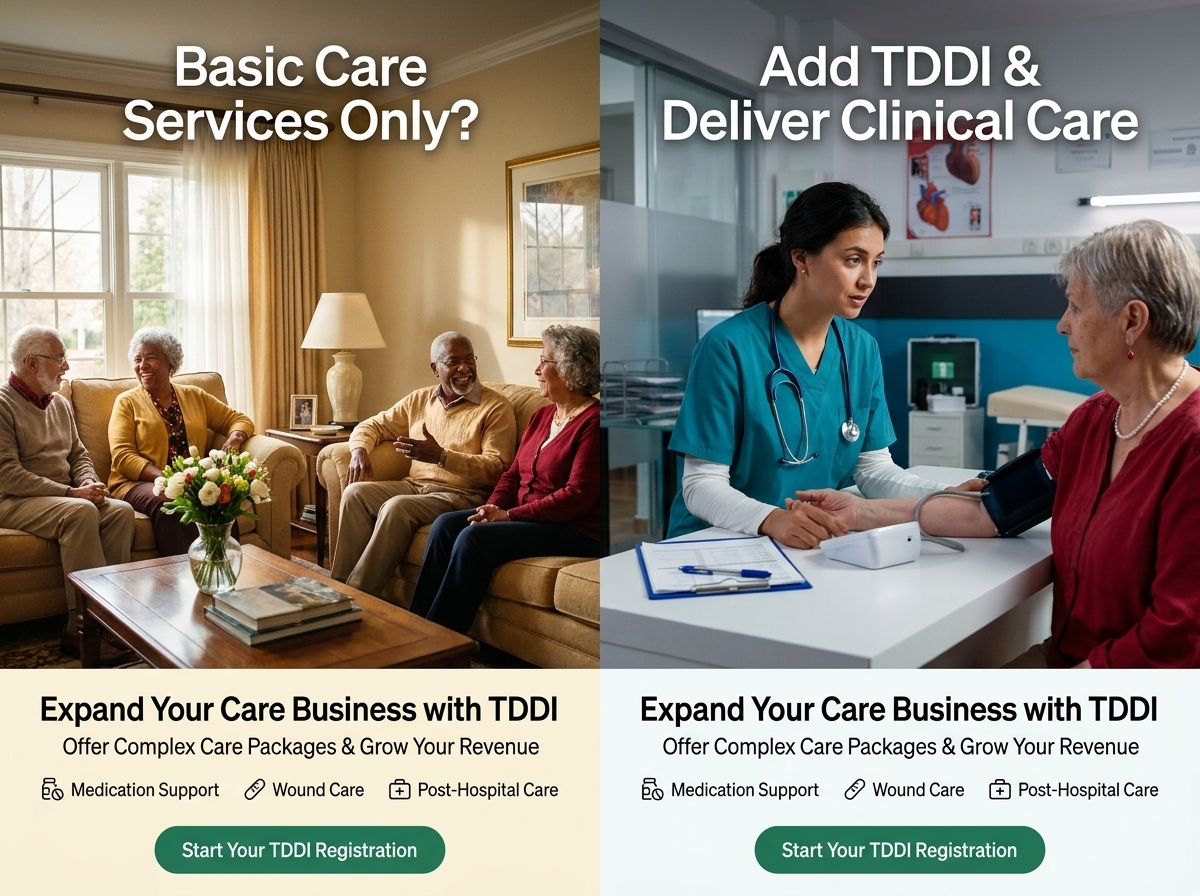
TDDI involves administering care that directly treats disease, disorder, or injury. This includes medication, wound care, and more. It’s about providing comprehensive support that meets complex needs. This regulated activity allows you to offer advanced care services, making your business more attractive to clients needing specialized support. Accessing resources, like the CQC’s guidance, helps clarify these requirements.

Importance of Clinical Governance

Clinical governance is essential for safe and effective care delivery. It ensures accountability and quality across your service. Implementing strong governance practices keeps you aligned with CQC standards. By establishing clear protocols and ensuring staff adhere to them, you build a trusting environment for your clients. This commitment to quality also enhances your reputation as a reliable care provider.

Policies and Procedures for CQC

Policies and procedures are the backbone of a compliant care service. They guide daily operations and ensure consistency in care delivery. Crafting these documents requires attention to detail and a thorough understanding of CQC expectations. Clear documentation helps your team understand their responsibilities, leading to better outcomes for those in your care.

Preparing for CQC Registration

Once your groundwork is laid, preparing for CQC registration becomes the next focus. This involves crafting a clear Statement of Purpose and understanding the variation application process.

Crafting Your Statement of Purpose

Your Statement of Purpose is a key document that outlines your service’s aims, philosophy, and delivery methods. It should clearly state how TDDI fits into your broader care offering. Use simple language to describe your mission and the types of care provided. This document not only informs CQC but also communicates your service’s values to potential clients.

Completing the CQC Variation Application

The CQC variation application is your formal request to include TDDI in your registration. It’s crucial to fill this out accurately, providing detailed information about how you will meet the regulatory requirements. Ensure that every section is completed with precision to avoid delays. Consider consulting with experts or using resources like Hellocare Consulting to guide you through this process.

Preparing for the CQC Fit Person Interview

The fit person interview assesses your ability to manage the regulated activity effectively. It’s an opportunity to demonstrate your understanding and readiness to implement TDDI. Preparing thoroughly for this interview involves reviewing potential questions and reflecting on your service’s strengths. Consider mock interviews to build confidence.

Ensuring Workforce Readiness

Your team is the heart of your service. Ensuring they are prepared and competent is crucial to successfully delivering TDDI.

Workforce Planning and Competency Framework

Effective workforce planning ensures you have the right number of staff with the required skills. A competency framework outlines the skills needed for each role, helping you identify training needs and recruitment priorities. This framework aligns your workforce capabilities with service demands, ensuring you can deliver high-quality care consistently.

Skills Passport and Training Plans

A skills passport is a record of your staff’s qualifications and training. Keeping this updated helps track competencies and identify gaps that need addressing. Regular training plans ensure your team stays current with best practices and new regulations. Investing in staff development enhances care quality and boosts morale.

Safeguarding and Medicines Management

Safeguarding practices protect clients from harm and ensure a safe care environment. Medicines management involves administering and handling medications safely. Both are critical components of compliant care delivery. Regular audits and training help maintain high standards in these areas, building trust with clients and regulators.

By following these steps and utilizing available resources, you can confidently add TDDI to your care service. For additional support, consider engaging with Hellocare Consulting, a trusted partner in navigating the complexities of CQC registration and compliance.

Diversifying Your Care Agency Safely: A Step‑by‑Step Guide to Children’s Services and TDDI

Diversifying Your Care Agency Safely: A Step-by-Step Guide to Children’s Services and TDDI

Expanding your care agency to include children’s services or the regulated activity Treatment of disease, disorder or injury (TDDI) can feel daunting. You want to grow your service safely, with solid governance and CQC readiness at the core. This guide breaks down the practical steps to diversify care services while maintaining high standards, helping you prepare for CQC registration and inspections. Ready to plan safe service expansion? Book a 20‑minute consultation with Hellocare Consulting to map your next steps. For more insights, check out this service diversification guide.

Expanding Safely into Children’s Services

Stepping into children’s services offers a rewarding path for your care agency, but it demands careful planning. Here’s how to ensure you meet the necessary requirements and keep children safe.

Understanding CQC Registration Requirements

Navigating CQC registration is crucial for expanding your services. First, ensure your application aligns with the five key questions: are you safe, effective, caring, responsive, and well-led? Each of these areas must be thoroughly addressed in your documentation. You’ll need a Statement of Purpose that clearly outlines your service’s aims and client base. Equally important is demonstrating good character and fitness to lead. This involves providing detailed DBS checks and references. Remember, a successful registration hinges on fully prepared documents. Every detail counts, so double-check everything before submission. If you’re unsure, consider professional support, as outlined in this CQC registration guide.

Safeguarding Children and Risk Assessment

Safeguarding children is non-negotiable. Start by developing comprehensive policies that cover all aspects of child protection. These should include procedures for reporting concerns and managing allegations. Training your staff is crucial: they need to recognize signs of abuse and know how to respond appropriately. Risk assessments are another key component. Conduct regular evaluations to identify potential hazards in your service environment. This proactive approach protects children and supports a safe care setting. Most agencies find that involving families in this process enhances trust and transparency. Remember, safeguarding isn’t just about policy—it’s about creating a culture of vigilance and care.

Introducing TDDI to Your Agency

Expanding your services to include TDDI can significantly enhance your agency’s offerings. Let’s explore how you can seamlessly integrate this regulated activity.

Treatment of Disease, Disorder or Injury Explained

TDDI involves providing medical care to manage, improve, or cure health conditions. This can range from administering medication to rehabilitation services. Integrating TDDI requires a clear understanding of clinical protocols. Ensure your staff is trained and competent in these areas. A robust clinical governance framework is essential. It should cover all aspects of patient care, from treatment plans to outcome evaluations. This framework not only supports effective care delivery but also demonstrates compliance with CQC standards. For a comprehensive look at successful TDDI integration, watch this informative video.

Clinical Governance and Medicines Management

Effective clinical governance ensures high-quality care. Start by establishing a clear structure for monitoring and evaluating clinical practices. This includes regular audits and feedback mechanisms. Medicines management is another critical area. Develop detailed policies covering safe administration, storage, and disposal of medications. Training staff in these areas is non-negotiable, as mistakes can have serious implications. Additionally, implement a system for reporting and learning from incidents. A proactive approach fosters a culture of safety and continuous improvement. Remember, governance isn’t static—it evolves with your agency’s needs and regulatory changes.

Ensuring Compliance and Quality

Maintaining compliance and quality is key to successful service expansion. Here’s how to prepare for CQC inspections and update your policies accordingly.

CQC Fit Person Interview Preparation

Preparing for the CQC Fit Person Interview is crucial for demonstrating your capability as a provider. Start by familiarizing yourself with common interview questions and responses. Focus on areas like safeguarding, leadership, and quality assurance. Practicing with a mock interview can boost your confidence and performance. During the interview, provide specific examples of how your agency meets CQC standards. This not only shows your understanding but also your commitment to continuous improvement. If you want to delve deeper into interview strategies, consider checking out this interview preparation guide.

Updating Policies and Procedures for New Services

Updating your policies and procedures is essential when expanding services. Review existing documents to ensure they align with new regulatory requirements. This includes areas like risk management, safeguarding, and clinical governance. Involving your team in this process can help identify gaps and areas for improvement. Provide training on policy updates to ensure everyone understands their roles and responsibilities. Keeping policies up-to-date not only supports compliance but also enhances service quality. Remember, policies are living documents that should evolve with your service needs and regulatory changes. For more insights on best practices, explore this resource on home care.

Diversifying your care agency with children’s services and TDDI can open doors to new opportunities. By understanding CQC registration, safeguarding protocols, and clinical governance, you can expand successfully while maintaining high standards. Ready to start your expansion journey? Hellocare Consulting is here to support you with tailored guidance every step of the way.

Understanding Treatment of disease, disorder or injury (TDDI) in domiciliary care: what it covers and how to add it safely

Understanding Treatment of disease, disorder or injury (TDDI) in domiciliary care: what it covers and how to add it safely

Many domiciliary care providers underestimate what the CQC’s regulated activity ‘Treatment of disease, disorder or injury’ (TDDI) really involves. Adding TDDI to your service demands more than paperwork—it requires clinical governance, workforce training, and clear policies to meet CQC standards. In this guide, you’ll find a straightforward roadmap to expand your home care clinical services safely and confidently, avoiding common pitfalls along the way. Book a complimentary 20-minute discovery call to assess your TDDI readiness and take your service to the next level. For more guidance, visit this comprehensive guide on integrating TDDI into your care services.

Understanding TDDI in Domiciliary Care

Adding TDDI to your services means broadening your care capabilities. It requires understanding its scope, governance needs, and CQC policies.

Scope of Practice in Community Care

You might think TDDI is just about treating illnesses, but it’s more. It involves managing health conditions, supporting recovery, and delivering tailored care. For example, this could include administering medication or providing wound care. It’s vital to know that TDDI isn’t just for serious conditions. Even minor health issues fall under this scope. By correctly understanding this, you ensure that your care is comprehensive and meets client needs.

To get more insights into the scope of TDDI, check out the CQC guidance.

Clinical Governance in Home Care

You may assume clinical governance is just paperwork, but it’s your service’s backbone. It ensures every part of your operation meets health standards. This includes having qualified staff and clear reporting systems. Good governance builds a reliable service, fostering trust among clients. It’s about more than compliance; it’s about delivering consistent, quality care.

Policies and Procedures for CQC

Clear policies aren’t just a requirement. They guide every action in your service, ensuring safety and quality. Your policies should cover everything, from infection control to emergency responses. This clarity helps staff make informed decisions and keeps operations smooth. Good policies also prepare you for CQC inspections, demonstrating your commitment to quality care.

Preparing Your Workforce for TDDI

Your team is your service’s heart. Preparing them for TDDI involves training and competencies in several areas.

TDDI Competencies and Training

Training for TDDI is about more than skills. It’s about preparing your team for the responsibilities of clinical care. This includes understanding conditions they may treat and knowing how to manage them effectively. Training ensures your staff can meet client needs confidently and safely, fostering trust and satisfaction.

Medicines Management at Home

Managing medications at home is critical. It ensures clients receive the right doses at the right times, preventing complications. Your staff must be trained to handle medications safely, understand side effects, and spot potential issues quickly. Effective medication management improves health outcomes and client trust.

Risk Assessment in Domiciliary Care

Risk assessments are not just checkboxes. They protect clients and staff by identifying potential hazards. By conducting thorough assessments, you minimize risks and enhance safety. It’s about being proactive, not reactive, ensuring a secure environment for everyone involved.

Expanding Your Services with Confidence

Adding new services can feel daunting, but it doesn’t have to be. With the right guidance, you can expand confidently.

Statement of Purpose CQC Updates

Updating your Statement of Purpose is more than an administrative task. It reflects your service’s scope and commitment to quality. Ensure it accurately describes your services and plans, as it forms part of your CQC registration. Keep it updated to align with any service changes or expansions.

Adding Children’s Services CQC

Expanding to include children’s services offers new opportunities. However, it comes with unique challenges and standards. Understanding these requirements ensures you provide safe, effective care for younger clients. This expansion can enhance your service offering, making your agency more versatile and appealing.

Mock CQC Interview Preparation

Preparing for a CQC interview is crucial. It tests your understanding of regulations and your service’s readiness. Mock interviews help staff anticipate questions and prepare thorough answers. This preparation boosts confidence and ensures readiness, making the actual interview less daunting.

In conclusion, expanding your home care services to include TDDI involves more than just ticking boxes. It requires a comprehensive understanding of your scope, well-prepared staff, and clear governance. By following these steps, you can enhance your service’s quality and client satisfaction, leading to growth and success.

Building a Compelling Business Plan for Care Agencies: A Practical Guide Aligned with CQC Expectations

Building a Compelling Business Plan for Care Agencies: A Practical Guide Aligned with CQC Expectations

Many care agencies struggle to create a business plan that meets Care Quality Commission requirements while supporting safe, sustainable growth. Crafting a plan that covers everything from domiciliary care planning to regulated activities like Treatment of disease, disorder or injury (TDDI) demands clear structure and detailed insight. This guide breaks down exactly what your care agency business plan needs to succeed and offers practical steps to align with CQC expectations. For more detailed assistance, check out this resource.

Crafting the Foundation of Your Plan

Creating a strong business plan starts with understanding your market and service goals. This ensures your care agency aligns with Care Quality Commission (CQC) standards and supports your long-term vision.

Understanding Market Needs

To build a successful care agency, you need to know what your community requires. Start by researching local demographics and any gaps in available services. For example, if there are many seniors in your area, focus on domiciliary care planning. Forty percent of care agencies thrive by addressing specific local needs. Listening to families and caregivers can offer valuable insights on unmet demands. This groundwork shapes your business plan, guiding you to offer services that make a real difference.

Defining Your Service Model

Once you understand the market, define your service model. Decide which services you will provide, such as personal care or support for those with learning disabilities. Your service model should reflect both community needs and regulatory requirements. A clear model helps you allocate resources efficiently and ensures compliance with CQC standards. To see what a good service model looks like, you can explore this home care business plan template for inspiration.

Integrating Regulated Activities

Adding regulated activities like Treatment of Disease, Disorder, or Injury (TDDI) requires careful planning. These activities expand your care offerings but also demand specific compliance steps. Consult CQC guidelines to ensure your services meet all standards. By integrating these activities, you position your agency to offer comprehensive care solutions. This can set your agency apart, as most agencies tend to stick to basic services. Always remember, thorough preparation leads to better service delivery and compliance.

Ensuring Compliance with CQC

Meeting CQC standards is essential for operating a care agency. This section highlights how to navigate their requirements and prepare for their interviews.

Navigating CQC Requirements

Understanding CQC requirements is crucial. These rules ensure all care providers offer safe and quality services. Familiarize yourself with the CQC’s five key questions: Are you safe, effective, caring, responsive, and well-led? Each question targets a core aspect of care service. Document how your agency meets these criteria. Keep your policies updated to reflect any regulatory changes. Regularly reviewing these standards prevents non-compliance risks and shows your commitment to quality care. For a more comprehensive understanding, review the CQC business guide.

Preparing for CQC Interview

The CQC interview is your chance to demonstrate your agency’s readiness. Prepare by reviewing possible questions and practicing your responses. Focus on how your services align with CQC standards. Highlighting your agency’s strengths can boost confidence during the interview. It’s also useful to share examples of your service successes. Interviews are won by showcasing real, impactful stories. Practice makes perfect, so consider mock interviews as part of your preparation.

Developing Essential Policies and Procedures

Developing comprehensive policies and procedures is key to a smooth operation. These documents cover everything from staff conduct to emergency protocols. Effective policies ensure all team members understand their roles and responsibilities. Keep these documents current and ensure they’re easily accessible. Seventy percent of successful agencies attribute smooth operations to well-documented procedures. Set regular reviews and updates for these policies to maintain CQC compliance and high service standards.

Strategic Growth and Expansion

Planning for growth involves thoughtful strategies. This section explores workforce development and service expansion opportunities.

Workforce Planning and Training

Your team is your greatest asset. Investing in workforce planning and training ensures you deliver high-quality care. Identify the skills and qualifications needed for each role. Provide regular training sessions to keep staff updated on best practices and regulatory changes. A well-trained workforce leads to better care outcomes and higher client satisfaction. Continuous learning is key to maintaining a competitive edge in the care industry. Consider external training programs to enhance your team’s skills.

Expanding into TDDI and Children’s Services

Expanding into Treatment of Disease, Disorder, or Injury (TDDI) or children’s services can open new avenues for your agency. These services require specialized knowledge and compliance with additional regulations. Before expanding, assess the demand and ensure you have the resources to support new services. Collaborate with healthcare professionals to tailor your offerings. This diversification not only increases your market reach but also strengthens your agency’s reputation. Most agencies that diversify report increased client base and revenue.

Financial Forecasting and Continuity Planning

Financial forecasting is crucial for sustainable growth. Develop a business continuity plan to address potential challenges and ensure your agency remains operational during unforeseen events. Monitor your financial health regularly and adjust plans as necessary. Accurate forecasting helps you make informed decisions and allocate resources efficiently. Eighty percent of agencies succeed thanks to proactive financial management. Regularly reviewing and updating your financial plans keeps your agency on track for growth.

By following these steps, you can build a robust business plan that aligns with CQC expectations and supports sustainable growth for your care agency. Remember, a well-crafted plan is your roadmap to success in the care industry.

How to Build a CQC‑Ready Business Plan for Sustainable Care Agency Growth

How to Build a CQC‑Ready Business Plan for Sustainable Care Agency Growth

Most care agencies underestimate how crucial a solid business plan is for steady growth and CQC registration success. Without a clear strategy covering workforce, governance, and compliance, ambitions can stall or face costly setbacks. This guide offers a practical, step-by-step framework to build a care agency business plan that supports service expansion and meets UK care regulations confidently. Download our framework and start mapping your growth with expert support today. For more insights, visit this guide.

Crafting a CQC-Compliant Business Plan

Creating a business plan that aligns with CQC standards is crucial for care agencies aiming for sustained growth. This guide will take you through vital steps, ensuring your agency thrives in the UK care landscape.

Understanding Market Analysis

To succeed, you must first grasp your market. Delve into demographics, competition, and demand for care services. Knowing your audience and their needs helps tailor your services effectively.

Market analysis involves gathering data on local demographics and service demands. Identify gaps in care and opportunities to provide unique services. Compare your offerings against competitors to find your niche. Use statistics like population age to anticipate service needs. For instance, an area with a growing elderly population may require more home care services.

Market analysis isn’t just about numbers. It’s about understanding real needs. You might find that while many agencies offer basic care, there’s a demand for specialised services like dementia support. Tailoring your offerings can set you apart. With a clear market picture, you’re ready to explore service diversification.

Service Diversification Strategies

Once you know your market, consider expanding your service range. Offering diverse services can attract a broader client base and boost income. Think about adding supported living or children’s services.

Service diversification doesn’t mean overextending. It’s about smart choices. Begin by assessing current strengths. If you’re excelling in domiciliary care, consider related services like treatment of disease or disorder (TDDI). For example, integrating learning disability support can enhance your portfolio.

Adding new services requires careful planning. Assess the training and resources needed. Ensure compliance with CQC regulations for new activities. It’s wise to start small, perhaps by piloting a new service in a single location. Successful diversification can strengthen your business and improve care quality.

Workforce Planning Essentials

Your team is your greatest asset. Workforce planning ensures you have the right people in place to support service delivery. This involves recruitment, training, and retention strategies.

Start with a skills audit. Identify gaps in your team and plan recruitment around these needs. Look beyond qualifications—seek individuals with a passion for care. Training is crucial. Regular sessions on topics like safeguarding and first aid keep skills fresh.

Retention is as vital as recruitment. Foster a positive work environment where staff feel valued. This reduces turnover and builds a loyal team. Remember, a well-planned workforce supports not just growth but also compliance with CQC standards.

Governance and Compliance Framework

With a strong business foundation, focus shifts to governance and compliance. Establishing effective frameworks is key to meeting CQC requirements and ensuring quality care.

Effective Policies and Procedures

Clear policies guide your team and reinforce quality care. They cover everything from handling complaints to infection control. These documents are essential for CQC registration.

Creating effective policies requires understanding CQC standards. Use their guidelines to shape your procedures. For example, your safeguarding policy must align with CQC’s safety and effectiveness criteria. Ensure policies are accessible and regularly reviewed.

Involve your team in policy development. This promotes understanding and adherence. Consider using templates from trusted sources but tailor them to your agency’s needs. Well-crafted policies not only satisfy regulatory demands but also enhance operational efficiency.

Preparing for CQC Fit Person Interview

Part of the CQC registration involves a fit person interview. This assesses your understanding of care delivery and management. Preparation is key to success.

The interview focuses on your ability to lead a service that meets CQC standards. Expect questions on safeguarding, recruitment, and quality assurance. Practice with mock interviews to build confidence.

Highlight real examples of managing challenges. For instance, discuss how you handled a staffing shortfall without compromising care quality. Demonstrate your commitment to continuous improvement. With thorough preparation, you’ll approach this crucial step with confidence.

Navigating Provider Information Return

The Provider Information Return (PIR) is a vital document. It details how your service meets CQC’s five key questions: safe, effective, caring, responsive, and well-led.

Completing the PIR requires clear and accurate information. Start by gathering data on your service’s performance. Use statistics to back up claims of effectiveness or responsiveness. For instance, mention a 95% client satisfaction rate from recent surveys.

Be honest about challenges and how you’re addressing them. This transparency builds trust with CQC. Regularly update your PIR to reflect changes in your service. A well-prepared PIR showcases your commitment to quality care.

Financial and Risk Management

Managing your finances and risks is crucial for sustainable growth. This section guides you through budgeting and risk mitigation to keep your agency thriving.

Budgeting for Sustainable Growth

A well-planned budget supports strategic growth. It ensures you allocate resources effectively, balancing service development with financial stability.

Begin with a detailed financial forecast. Estimate income and expenses for the coming year. Factor in costs for new services or staff training. Regularly review your budget to adapt to changes. Use software for tracking expenses and staying within budget.

Budgeting isn’t just about numbers. It’s about aligning financial plans with your agency’s goals. For example, investing in staff training can enhance service quality and attract more clients. A robust budget forms the backbone of your growth strategy.

Identifying and Mitigating Risks

Risk management protects your agency from potential threats. Identify risks early, whether they’re financial, operational, or regulatory.

Conduct a risk assessment to pinpoint vulnerabilities. Common risks include funding shortages or non-compliance with CQC standards. Develop strategies to mitigate these risks. This might involve creating a financial reserve or regular compliance audits.

Don’t view risk management as a one-time task. Make it an ongoing process, adapting strategies as your agency evolves. Effective risk management not only safeguards your agency but also builds resilience and trust with clients.

Key Performance Indicators for Success

Monitor your agency’s success with key performance indicators (KPIs). They provide insights into your services’ effectiveness and client satisfaction.

Choose KPIs that align with your agency’s goals. For instance, track client retention rates, staff turnover, and client satisfaction scores. Use these metrics to gauge service quality and operational efficiency.

Regularly review your KPIs to identify trends and areas for improvement. Share insights with your team, fostering a culture of transparency and accountability. KPIs not only measure success but also guide strategic decisions, ensuring your agency continues to grow and excel.

In conclusion, a well-structured business plan supports care agency growth and CQC compliance. By understanding your market, diversifying services, and prioritising governance, your agency can thrive in the competitive care landscape.

Copy-and-Paste Policies That Lead to CQC Rejection: How to Build Service-Specific Procedures That Stand Up to Scrutiny

Copy-and-Paste Policies That Lead to CQC Rejection: How to Build Service-Specific Procedures That Stand Up to Scrutiny

Copy-and-paste policies might save time, but they often trigger immediate CQC rejection. When your documents don’t reflect your unique service, inspectors spot the gaps quickly—and so do compliance risks. This post explains why generic domiciliary care policies and supported living policies fall short, highlights key red flags, and outlines how to build service-specific procedures that satisfy CQC evidence requirements. Book a consultation with Hellocare Consulting to strengthen your care agency compliance with bespoke policies tailored to your model of care. Learn more here.

Understanding CQC Rejections

To meet CQC standards, your policies must be more than just documents—they need to reflect your specific services. Here’s why some policies get flagged.

Common Red Flags in Policies

One major issue inspectors see is a lack of personalisation. Policies that look generic can set off alarm bells. For instance, if every care agency uses the same template, it suggests a lack of understanding of unique needs. Inspectors want to see policies that speak directly to your service model. They look for specifics, like tailored plans for supported living policies or how you manage domiciliary care policies.

Another red flag is outdated information. Using old data or practices can be a quick way to fail an inspection. Regularly updating your documents shows a commitment to current standards and best practices. A CQC policy audit helps pinpoint these issues before they become problems. You need to keep your policies as current as your care techniques to satisfy CQC evidence requirements.

Importance of Service-Specific Procedures

Having procedures that are tailored to your service type is crucial. CQC wants to see that you know your service inside out. This means having detailed plans that cover everything from treatment of diseases, disorder, and injury (TDDI) to children’s services CQC registration. Specificity is key. The more your policies reflect your actual service, the better you stand up to scrutiny.

Service-specific policies not only meet regulatory requirements but also improve your care quality. They help staff understand their roles and responsibilities clearly. This clarity can enhance care delivery and client satisfaction. Moreover, well-crafted policies can reduce the risk of non-compliance, keeping your agency in good standing.

Developing Effective Policies

Crafting effective policies requires both a solid framework and an avoidance of shortcuts. Let’s dive into how you can build policies that work.

Framework for Tailored Documentation

Creating tailored documentation starts with understanding your own services deeply. Documenting unique aspects of your care offering makes your policies meaningful. Start by listing all services you provide, such as regulated activities like TDDI. Then, develop structured, detailed procedures for each.

Establish a writing process. Begin with research, followed by drafts, and then reviews. Involve your team in reviewing these drafts to ensure they reflect real-world practices. This process not only produces accurate documents but also engages your team in the policy-making process. When policies are team-driven, they are more likely to be followed.

Avoiding Copy-and-Paste Pitfalls

Using generic templates can seem tempting, but it may lead to misleading or incorrect policies. Copy-and-paste policies often lack the necessary detail and fail to capture the specifics of your service. This can confuse staff and lead to inconsistencies in care delivery. The result? Increased risk of CQC rejection.

Instead, focus on creating bespoke policies. Tailoring policies to your exact service needs enhances clarity and compliance. While it may require more time upfront, the payoff is a stronger, more compliant service model. Remember, the longer you wait to correct generic policies, the bigger the risk to your agency.

Supporting Your CQC Journey

Navigating CQC’s requirements can be complex, but expert support can make all the difference. Here’s how Hellocare Consulting can assist.

Hellocare Consulting’s Bespoke Services

Hellocare Consulting stands as a trusted partner in the CQC registration process. With a 99.9% success rate, their bespoke services are designed to help your agency thrive. They offer comprehensive support in developing service-specific procedures, tailored to your agency’s unique needs.

Their expertise extends to adding new services, like children’s services or regulated activities like TDDI. This diversification can set your agency apart, attracting a broader client base. With Hellocare’s support, you’re not just meeting CQC standards; you’re exceeding them.

Preparing for CQC Interviews and PIR Submission

Preparation is key when it comes to CQC interviews and PIR submissions. Hellocare Consulting provides mock CQC interviews, giving you a clear idea of what to expect. This practice builds confidence and readiness, improving your chances of success.

Their support with Provider Information Return (PIR) submissions is invaluable, reducing the risk of unannounced CQC inspections. By partnering with experts, you ensure that your documentation is not only complete but compelling. With Hellocare, your CQC journey becomes a path to excellence, ensuring your agency is always inspection-ready.

In summary, by avoiding generic policies and crafting service-specific procedures, you strengthen your agency’s compliance and care quality. Hellocare Consulting is here to guide you every step of the way.

How to expand your care services with Treatment of disease, disorder or injury (TDDI): a practical roadmap for home care and supported living

How to expand your care services with Treatment of disease, disorder or injury (TDDI): a practical roadmap for home care and supported living

Expanding your home care or supported living service to include Treatment of disease, disorder or injury (TDDI) opens new doors for client care and service diversity. Yet, adding this regulated activity involves careful planning around clinical governance, workforce competencies, and CQC variation applications. In this guide, you’ll learn when TDDI is required, how it benefits your service, and the exact steps to apply compliantly—so you can broaden your care scope with confidence. Ready to explore TDDI? Read more here.

Expanding Services with TDDI

Venturing into Treatment of Disease, Disorder, or Injury (TDDI) can be a game-changer for your care service. But how do you know when it’s necessary?

When TDDI Is Required

TDDI becomes essential when your service involves direct medical interventions. If you find yourself managing chronic conditions or providing rehabilitation, you’ll need to register for this activity. For instance, administering medication or offering wound care are clear indicators. These tasks require you to be prepared with the right policies and skilled staff. Most people think it’s optional, but it’s crucial if you want to expand your service offerings.

Benefits of Adding TDDI

Adding TDDI can significantly enrich your service. It allows you to offer comprehensive care, which attracts a broader client base. By including TDDI, your service can address a wider range of health needs, making it more appealing to clients seeking holistic care. Moreover, offering such services can position your agency as a trusted provider in your community. It’s not just about adding services; it’s about enhancing your reputation and client trust.

Clinical Governance Standards

To successfully integrate TDDI, understanding clinical governance is crucial. It ensures your service meets high standards of care and safety.

Workforce Competency Frameworks

Your team’s skills are vital when incorporating TDDI. Establishing a robust competency framework helps ensure your staff are ready for the tasks at hand. Training programs should focus on developing specific skills required for TDDI tasks. Regular assessments can help maintain high standards. It’s not just about training—it’s about ensuring ongoing competency and readiness.

Medicines Management in Home Care

Medicines management plays a pivotal role in TDDI. Proper handling of medication is necessary to ensure safety and effectiveness. This involves setting up clear protocols for administering and monitoring medication. Ensuring your team is trained in these protocols is key. Incorrect management can lead to serious issues, so focus on precision and care.

Navigating the CQC Variation Process

Adding TDDI means navigating the CQC variation process, which can seem daunting. But with the right preparation, it becomes manageable.

Preparing Your Application

Start by gathering all necessary documentation for the CQC variation application. This includes your service’s detailed description and how you plan to implement TDDI. Be thorough and specific in your descriptions to avoid delays. It can be helpful to conduct a self-assessment to ensure all aspects of your application meet CQC standards.

Mock CQC Interview Preparation

A successful CQC interview is crucial for approval. Practicing through mock interviews can be incredibly beneficial. Focus on answering questions about your service’s readiness for TDDI and your understanding of regulatory requirements. Preparation is key—knowing what to expect will boost your confidence and performance. Remember, this is an opportunity to demonstrate your service’s commitment to high standards and patient safety.

Conclusion

Expanding your care services to include TDDI is a strategic move that can enhance your service offerings and reputation. By understanding when TDDI is required and preparing thoroughly for the CQC variation process, you can expand your service capabilities confidently and compliantly.