• info@hellocareconsulting.com
  • Book Free Consultation

Tag: expand care services

Healthcare worker in blue uniform and gloves holding a clipboard in a sunny garden with yellow flowers behind her.

CQC vs CQB: Clearing the confusion for care providers in England

Many care providers confuse CQC with CQB, but understanding their differences is crucial for your service’s success. Navigating CQC registration and meeting quality standards demands clear knowledge, not assumptions. This guide clarifies what truly matters, helping you confidently prepare for CQC fit person interviews, Provider Information Returns, and expanding your care services. Keep reading to ensure your agency follows the right steps at every stage. For a deeper dive into the differences, check out this insightful discussion on Reddit.

Understanding CQC and CQB

To effectively manage your care services, it is essential to grasp the distinction between CQC and CQB. This understanding lays the foundation for achieving compliance and excellence.

Defining CQC and Its Role

The Care Quality Commission (CQC) plays a pivotal role in ensuring that health and social care services meet essential standards in England. They regulate and inspect services to ensure safety, effectiveness, and quality. CQC’s responsibilities include assessing care providers, enforcing standards, and offering guidance for improvement. Understanding these functions helps you align your services with CQC expectations, which can enhance your agency’s reputation and trustworthiness. To explore more about CQC’s role, you can visit CQC Registration: A Step‑by‑Step Guide for New and Growing Care Providers.

The Myth of CQB in Healthcare UK

Many confuse CQB with CQC, but they are worlds apart. CQB stands for Close Quarters Battle, a military term with no connection to healthcare. This misunderstanding often leads to confusion among care providers. Knowing that CQB is irrelevant to healthcare helps focus your efforts on relevant regulations and standards. For more details on CQB and its actual context, see this explanation on Quora.

Common Misconceptions and Clarifications

Misunderstandings about CQC and CQB can cause unnecessary stress and misdirection. Some believe CQB involves care requirements, but this is a misconception. By focusing on the actual role of CQC, you can ensure your care agency meets the specific guidelines and standards set by the regulator. Regular updates and education on CQC processes can prevent these errors, ensuring your agency’s smooth operation and compliance with essential care standards.

Navigating CQC Registration

Once you understand the role of CQC, the next step is mastering the registration process, a crucial part of operating legally and successfully.

Steps to Successful CQC Registration

Securing your CQC registration involves several clear steps. Firstly, gather all necessary documents: identity proof, DBS checks, and a comprehensive business plan. Then, submit an application through the CQC Provider Portal. Preparing thoroughly can significantly reduce approval delays. Finally, anticipate an interview with CQC, which evaluates your readiness and compliance with basic care standards. Successfully navigating these steps ensures your agency is on the right track to delivering high-quality care.

Importance of CQC Policies and Procedures

Crafting detailed CQC policies and procedures is vital for compliance. These documents outline how your agency will operate, covering areas such as safeguarding, infection control, and staff conduct. They serve as your roadmap, ensuring all actions align with CQC standards. Regularly updating these policies not only prepares you for inspections but also demonstrates your commitment to providing exceptional care. This proactive approach can help avoid potential pitfalls during audits and inspections.

Preparing for the CQC Fit Person Interview

The CQC Fit Person Interview is a fundamental step in the registration process. It is your chance to showcase your agency’s capabilities. Preparation is key: understand the CQC’s five key questions and ensure your responses demonstrate your agency’s compliance and quality of care. Mock interviews can be invaluable, offering a chance to refine your responses and build confidence. A well-prepared interviewee can more effectively communicate their agency’s strengths and vision, greatly improving the chances of a successful interview outcome.

Expanding Care Services Confidently

With a solid foundation in CQC registration, you can confidently look to expand your services, enhancing the care you provide.

Adding Regulated Activities: TDDI and More

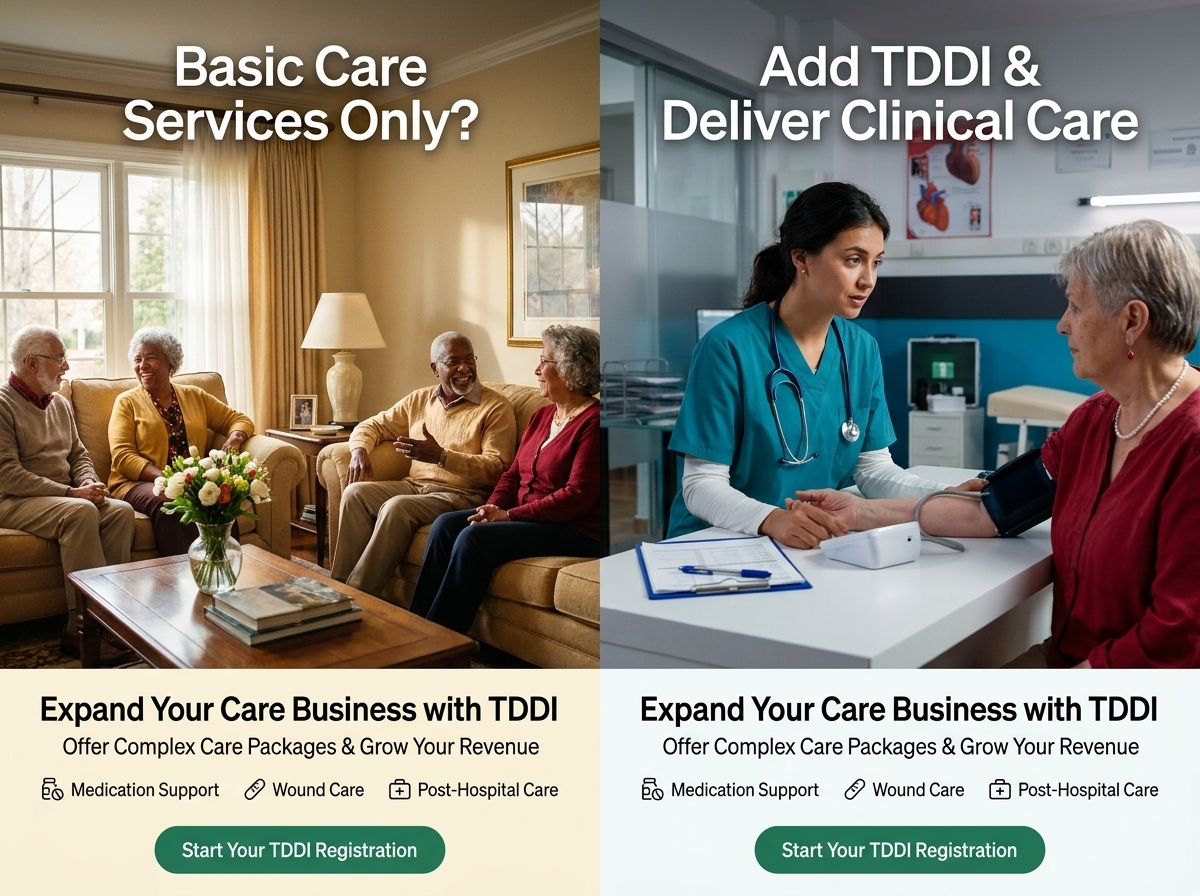
Adding Treatment of Diseases, Disorders, and Injuries (TDDI) to your services is a strategic way to expand your care offerings. This addition requires careful planning and an understanding of the specific regulations and documentation needed. By integrating TDDI, you can broaden your service scope and meet more of your community’s needs. This proactive approach can lead to increased referrals and a stronger reputation for comprehensive care. For further guidance, consider exploring how to add TDDI to your CQC registration.

Children’s Services CQC Registration Essentials

Expanding into children’s services involves understanding and meeting additional CQC requirements. This includes safeguarding policies, trained staff, and a child-friendly environment. By ensuring compliance with these standards, you can provide a safe and caring service for younger clients. Partnering with experts in child care standards can offer additional support and ensure your agency meets all necessary guidelines. This expansion can enhance your agency’s reputation and open new opportunities for service delivery.

Guidance for Domiciliary and Home Care Agencies

Domiciliary and home care agencies have unique challenges and opportunities. A keen focus on personalized service, staff training, and compliance can set your agency apart. Understanding the specific regulations that apply to home care is essential. Regular training sessions can help your staff stay current with best practices, ensuring high-quality care. By focusing on these areas, your agency can provide exceptional service and grow confidently in the competitive home care market.

By understanding these key concepts and taking strategic steps, you can ensure your agency’s success and growth in the care sector.


Avoid penalties and missed growth by acting promptly with Hellocare’s expert support for your care agency.

Woman seated at an outdoor wooden table with a laptop, notebook, and colorful sticky notes, looking at the camera.

CQC Registration Made Clear: A Practical Guide for New and Growing Care Providers

CQC Registration Made Clear: A Practical Guide for New and Growing Care Providers

CQC registration can feel overwhelming when you’re starting or expanding a care service. You need to understand the essential steps, from preparing your fit person interview and Provider Information Return to adding regulated activities like Treatment of Disease, Disorder or Injury (TDDI) or children’s services. This guide breaks down the process clearly and shows how Hellocare Consulting supports you every step of the way to build a strong, compliant foundation for your care agency. Explore the latest guidance here.

Essential Steps for CQC Registration

Embarking on your CQC registration journey involves navigating several key steps. Understanding the basics and preparing effectively can make a significant difference.

Understanding Regulated Activities

When it comes to CQC registration, knowing your regulated activities is crucial. These activities determine what services your agency can provide. Examples include personal care and nursing treatment. Each activity has its own standards and requirements set by the Care Quality Commission. You must demonstrate your capability to deliver these services safely and effectively.

Understanding these activities helps you align your agency’s services with CQC standards. This alignment is pivotal in ensuring that you meet regulatory expectations. To dive deeper into these standards, check out the regulations.

Preparing CQC Policies and Procedures

Policies and procedures form the backbone of your CQC registration. These documents cover everything from staff conduct to emergency protocols. They ensure everyone in your agency understands their roles and responsibilities.

Comprehensive policies help in maintaining high-quality service and compliance. Regularly updating these documents is necessary to reflect any regulatory changes. A well-documented procedure can also enhance your team’s efficiency, leading to better care outcomes.

Navigating the Fit Person Interview

The Fit Person Interview is a pivotal part of the CQC registration. It assesses your ability to manage and deliver care services effectively. Preparation is key to succeeding in this interview. Familiarize yourself with potential questions and focus on demonstrating your understanding of CQC standards.

Practicing your responses and highlighting your agency’s strengths can ease the interview process. Consider mock interviews to boost your confidence. Explore tips for interview preparation to ensure success.

Expanding Care Services Safely

Once you have a firm foundation, expanding your services can open new opportunities. This section explores how to add new services while maintaining compliance.

Adding Treatment of Disease, Disorder or Injury (TDDI)

Introducing TDDI services can significantly broaden your agency’s capabilities. However, it requires careful planning and compliance. Meeting the specific standards for TDDI ensures you provide safe and effective care.

By offering TDDI, you position your agency to serve a wider client base with diverse needs. This expansion not only enhances service delivery but also increases potential referrals. Learn about the regulation changes affecting TDDI services.

Integrating Children’s Services CQC

Adding children’s services involves understanding specific CQC requirements for this demographic. This service expansion allows your agency to cater to younger clients, meeting their unique care needs.

Ensure your application addresses safeguarding requirements and staff training standards. Proper planning and compliance can open doors to new contracts with local authorities. Explore guidelines for integrating children’s services.

Clinical Governance in Home Care

Good clinical governance is vital for maintaining high standards in home care services. Implementing effective governance structures helps you monitor and improve care quality.

Regular audits, staff training, and feedback loops are critical components. These strategies ensure your services remain responsive to client needs and compliant with CQC standards. Review the latest regulatory updates for home care governance.

Overcoming Common Registration Challenges

Even with thorough preparation, challenges in the registration process can arise. Here’s how to tackle common obstacles effectively.

Crafting a Provider Information Return (PIR)

The Provider Information Return (PIR) is a detailed document that outlines your service’s readiness and quality. Completing this document thoroughly is crucial.

The PIR highlights your agency’s commitment to quality care and compliance. It should reflect accurate data and insights into your service delivery and outcomes. An incomplete PIR can lead to delays or negative inspection outcomes. Get support with crafting your PIR.

Common Pitfalls in CQC Compliance

Misunderstanding CQC standards or neglecting certain requirements can lead to compliance issues. Regular training and updates on CQC regulations can prevent these pitfalls.

Most agencies struggle with maintaining documentation and adhering to updated policies. Staying informed and proactive can keep your agency on track. Remember, compliance is an ongoing process, not a one-time task.

CQC Consultancy UK Support

Navigating CQC registration can be complex, but you don’t have to do it alone. Hellocare Consulting offers expert guidance and support tailored to your agency’s needs.

Our consultancy services cover everything from interview preparation to policy development. With our support, you can confidently expand your services and maintain compliance. Embrace the opportunity to enhance your care offerings and grow your agency with tailored consultancy.

In summary, CQC registration requires careful planning and ongoing commitment. By understanding the requirements and leveraging expert support, you can successfully navigate the process and expand your services safely.

Avoid penalties and missed growth by acting promptly with Hellocare’s expert support for your care agency.

CQC Registration: A Step‑by‑Step Guide for New and Growing Care Providers

CQC Registration: A Step‑by‑Step Guide for New and Growing Care Providers

Starting CQC registration can feel overwhelming, especially when you’re building a home care agency or expanding domiciliary care services. Each step—from choosing regulated activities to preparing for the Fit Person Interview—requires careful attention and clear understanding. This guide breaks down the process into manageable stages, showing how Hellocare Consulting supports your application, interview preparation, Provider Information Return, and service growth, including adding TDDI and children’s services. Ready to move forward with confidence?

Understanding CQC Registration

Beginning with CQC registration involves understanding the essentials that ensure your care service meets quality standards. Let’s explore each stage for a clear path.

Navigating the Application Process

Starting your application is the first step. You’ll complete forms detailing your service. This includes your Provider Information Return, where every detail matters. Missing information can delay progress, so ensure every section is complete. Each form asks for specifics about your service, like service type and location. Be precise, as this sets the foundation for success. Most providers worry about errors, but careful review reduces stress. Double-check each entry for peace of mind.

Key Regulated Activities Explained

Understanding regulated activities is crucial. These are the services you’re permitted to offer. They range from personal care to more complex activities. Knowing each category helps tailor your application. For example, adding Treatment of Disease, Disorder, and Injury (TDDI) allows for expanded care but requires extra documentation. This step is about aligning your services with regulatory expectations, ensuring you can meet your community’s needs.

Ensuring CQC Compliance Foundations

Compliance is about more than ticking boxes. It’s about embedding quality throughout your service. This involves regular checks and updates to your procedures. Keeping updated on CQC guidelines is essential. Compliance ensures safety and quality, which builds trust with clients. Regular internal audits and staff training form the backbone of a compliant service.

Preparing for the CQC Interview

With your application underway, the next step is preparing for the interview. This stage can make or break your approval.

Mastering the Fit Person Interview

The Fit Person Interview tests your readiness. It’s where you demonstrate your understanding of CQC standards. Prepare thoroughly by reviewing typical questions. Focus on how your service meets each standard. Most assume it’s simple, but preparation is key. Practising answers boosts confidence. Remember, this is your chance to showcase your commitment to quality care.

CQC Interview Preparation Tips

Preparation involves understanding what inspectors expect. They look for evidence of safe, caring, and well-led services. Bring examples of how your service meets these criteria. Use specific cases to highlight your strengths. Think of it as telling your story. Most interviews hinge on real-world examples, so gather evidence early. This shows you’re not just ready in theory but in practice.

Mock Interview Insights

Mock interviews are invaluable. They simulate the real thing, providing practice in a safe environment. They help identify areas needing improvement. Use them to refine your answers and build confidence. It’s like a dress rehearsal for the big day. Many find this step transforms their approach, turning nerves into readiness.

Expanding Your Care Services

Once registered, consider expanding your services. This opens new opportunities and meets broader community needs.

Adding TDDI and Children’s Services

Expanding into TDDI and children’s services diversifies your offerings. Each addition requires specific compliance steps. Ensure your policies reflect these new areas. This expansion involves more than paperwork; it’s about preparing your team and infrastructure to handle new challenges. This step distinguishes your agency, meeting diverse client needs.

Supporting Learning Disability and Autism

Providing services for learning disabilities and autism requires specialised knowledge. Training your team is crucial. This ensures your service can effectively support these clients. Developing tailored programs improves care quality and meets CQC standards. It’s about understanding and adapting to specific client needs, which enhances service impact.

Hellocare Consulting’s Role in Growth

Hellocare Consulting supports your growth journey. From initial application to service expansion, they provide expert guidance. Their tailored approach ensures you meet all CQC standards, with a focus on quality and compliance. With their support, you navigate complexities with ease, paving the way for successful service expansion.

Avoid penalties and missed growth by acting promptly with Hellocare’s expert support for your care agency.

Navigating Regulatory Change in Social Care: How Expert Consultancy Supports Your Agency

Navigating Regulatory Change in Social Care: How Expert Consultancy Supports Your Agency

Regulatory changes from the Care Quality Commission can feel overwhelming for care agencies trying to maintain quality and compliance. You may be updating policies, preparing for fit person interviews, or completing the Provider Information Return, all while managing day-to-day care delivery. Hellocare Consulting offers structured support tailored to home care and domiciliary providers, helping you navigate CQC registration and regulatory updates with clarity and confidence. Speak to a Hellocare Consulting advisor to map your next regulatory step—CQC registration, PIR preparation, fit person interview coaching, or adding a regulated activity such as Treatment of diseases, disorder and injury (TDDI). Book a consultation today.

Understanding CQC Regulatory Changes

Grasping the latest shifts in CQC regulations is crucial to staying compliant and maintaining high standards in care. Let’s explore how these changes impact your agency and how to adapt effectively.

Impact on Home and Domiciliary Care

The landscape of home and domiciliary care is continuously shaped by new regulations. These rules ensure that care delivery remains safe and effective. For instance, recent updates might affect how you manage staff qualifications or client records. Staying updated is not just about compliance; it’s about providing the best care possible. By understanding these changes, you can anticipate challenges and turn them into opportunities for improvement. Most care providers find that being proactive about regulatory shifts enhances their reputation and service quality.

Adapting to New Requirements

Adapting to new requirements isn’t just a task; it’s an avenue for growth. Begin by reviewing your current processes with an open mind. This approach can uncover areas where your agency can excel. Engaging your team in training sessions can boost morale and ensure everyone is on the same page. Don’t hesitate to seek expert advice to streamline this transition. Many agencies have found success by focusing on continuous learning and openness to change. Remember, the longer you wait, the more challenging it becomes to catch up. Here’s the key insight: embrace changes early and position your agency as a leader in quality care.

Expert Consultancy for CQC Compliance

In the complex realm of CQC compliance, having expert guidance can make all the difference. Discover how consultancy can provide the support you need to navigate these waters confidently.

Comprehensive Guidance and Support

Expert consultancy offers a wealth of benefits. With tailored advice, you can navigate compliance challenges with ease. Consultants can help identify specific areas requiring attention, ensuring your agency meets all CQC standards. This comprehensive support means fewer disruptions and more focus on providing excellent care. By partnering with experienced advisors, many agencies have drastically reduced their compliance-related stress. As a result, you can operate with increased confidence, knowing your procedures align with regulatory expectations.

Tailored Policy Development

Policies are the backbone of compliance. Developing tailored policies ensures that your agency not only meets but exceeds CQC requirements. Begin by analyzing existing policies to identify gaps. Consultants provide the expertise to craft documents that reflect the latest standards and best practices. With robust policies in place, your team can deliver consistent and safe care. This proactive approach not only satisfies regulators but also reassures clients of your commitment to excellence.

Expanding Services with Confidence

Expanding your service offerings is a strategic move. With the right guidance, you can add new regulated activities without compromising on quality.

Adding Regulated Activities

Adding regulated activities like Treatment of Diseases, Disorder, and Injury (TDDI) can significantly enhance your service portfolio. It requires careful planning and adherence to CQC guidelines. Start by assessing your current capabilities and identifying areas for expansion. With expert consultancy, you can ensure that all new services align with regulatory expectations. This expansion not only meets client needs but also positions your agency as a comprehensive care provider. As demand for diverse care options rises, being equipped to offer specialized services makes your agency a preferred choice for clients.

Navigating CQC Registration and PIR

Navigating CQC registration and the Provider Information Return (PIR) is a critical step. It involves detailed documentation and understanding of your agency’s operations. Consultants can support you in preparing and submitting accurate PIRs, minimizing the risk of non-compliance. By staying proactive, you avoid the pitfalls of last-minute preparations and ensure a smooth registration process. Many agencies find that thorough preparation enhances their operational efficiency and readiness for inspections. This strategic focus on compliance not only safeguards your agency but also builds trust with clients and stakeholders.

Explore proven strategies for smooth CQC approval and service growth with expert support.

Navigating Regulatory Change in Social Care: How Expert Consultancy Supports Your Agency

Navigating Regulatory Change in Social Care: How Expert Consultancy Supports Your Agency

Regulatory changes from the Care Quality Commission can feel overwhelming for care agencies trying to maintain quality and compliance. You may be updating policies, preparing for fit person interviews, or completing the Provider Information Return, all while managing day-to-day care delivery. Hellocare Consulting offers structured support tailored to home care and domiciliary providers, helping you navigate CQC registration and regulatory updates with clarity and confidence. Speak to a Hellocare Consulting advisor to map your next regulatory step—CQC registration, PIR preparation, fit person interview coaching, or adding a regulated activity such as Treatment of diseases, disorder and injury (TDDI). Book a consultation today.

Understanding CQC Regulatory Changes

Grasping the latest shifts in CQC regulations is crucial to staying compliant and maintaining high standards in care. Let’s explore how these changes impact your agency and how to adapt effectively.

Impact on Home and Domiciliary Care

The landscape of home and domiciliary care is continuously shaped by new regulations. These rules ensure that care delivery remains safe and effective. For instance, recent updates might affect how you manage staff qualifications or client records. Staying updated is not just about compliance; it’s about providing the best care possible. By understanding these changes, you can anticipate challenges and turn them into opportunities for improvement. Most care providers find that being proactive about regulatory shifts enhances their reputation and service quality.

Adapting to New Requirements

Adapting to new requirements isn’t just a task; it’s an avenue for growth. Begin by reviewing your current processes with an open mind. This approach can uncover areas where your agency can excel. Engaging your team in training sessions can boost morale and ensure everyone is on the same page. Don’t hesitate to seek expert advice to streamline this transition. Many agencies have found success by focusing on continuous learning and openness to change. Remember, the longer you wait, the more challenging it becomes to catch up. Here’s the key insight: embrace changes early and position your agency as a leader in quality care.

Expert Consultancy for CQC Compliance

In the complex realm of CQC compliance, having expert guidance can make all the difference. Discover how consultancy can provide the support you need to navigate these waters confidently.

Comprehensive Guidance and Support

Expert consultancy offers a wealth of benefits. With tailored advice, you can navigate compliance challenges with ease. Consultants can help identify specific areas requiring attention, ensuring your agency meets all CQC standards. This comprehensive support means fewer disruptions and more focus on providing excellent care. By partnering with experienced advisors, many agencies have drastically reduced their compliance-related stress. As a result, you can operate with increased confidence, knowing your procedures align with regulatory expectations.

Tailored Policy Development

Policies are the backbone of compliance. Developing tailored policies ensures that your agency not only meets but exceeds CQC requirements. Begin by analyzing existing policies to identify gaps. Consultants provide the expertise to craft documents that reflect the latest standards and best practices. With robust policies in place, your team can deliver consistent and safe care. This proactive approach not only satisfies regulators but also reassures clients of your commitment to excellence.

Expanding Services with Confidence

Expanding your service offerings is a strategic move. With the right guidance, you can add new regulated activities without compromising on quality.

Adding Regulated Activities

Adding regulated activities like Treatment of Diseases, Disorder, and Injury (TDDI) can significantly enhance your service portfolio. It requires careful planning and adherence to CQC guidelines. Start by assessing your current capabilities and identifying areas for expansion. With expert consultancy, you can ensure that all new services align with regulatory expectations. This expansion not only meets client needs but also positions your agency as a comprehensive care provider. As demand for diverse care options rises, being equipped to offer specialized services makes your agency a preferred choice for clients.

Navigating CQC Registration and PIR

Navigating CQC registration and the Provider Information Return (PIR) is a critical step. It involves detailed documentation and understanding of your agency’s operations. Consultants can support you in preparing and submitting accurate PIRs, minimizing the risk of non-compliance. By staying proactive, you avoid the pitfalls of last-minute preparations and ensure a smooth registration process. Many agencies find that thorough preparation enhances their operational efficiency and readiness for inspections. This strategic focus on compliance not only safeguards your agency but also builds trust with clients and stakeholders.

Explore proven strategies for smooth CQC approval and service growth with expert support.

From Rejection to Readiness: How Expert Consultancy Reduces Repeat CQC Registration Setbacks

From Rejection to Readiness: How Expert Consultancy Reduces Repeat CQC Registration Setbacks

Repeated CQC registration rejections drain time and resources, leaving care providers stuck in a frustrating cycle. You need more than basic application support; you need targeted guidance that addresses common pitfalls like weak policies, incomplete evidence, and unprepared fit person interviews. This guide explains how expert consultancy sharpens your CQC registration approach, helping you reduce resubmissions and launch your care service with confidence. Read on to learn practical steps to strengthen your application and secure your place in the care sector. For more insights, visit https://hellocareconsulting.com/avoid-cqc-rejection-costly-mistakes-new-care-providers-make-and-how-to-fix-them/.

Overcoming CQC Registration Setbacks

Navigating the CQC registration process can be complex. Common reasons for application rejection often stem from issues that can be avoided with the right support.

Common Reasons for Application Rejection

Many applications falter due to incomplete documents and generic policies. Missing details in your CQC evidence pack can halt progress. Think of your application as a story that must align across all elements. Inconsistencies, like mismatched service details, can lead to immediate rejection.

Using generic policies is another pitfall. These are easily spotted and suggest a lack of understanding of your service. Tailored policies show you know the specific needs of your care services. Your statement of purpose should clearly define what makes your services unique.

Where does this leave you? Preparing a robust application requires precision and clarity. Next, we’ll explore how expert consultancy plays a crucial role in overcoming these obstacles.

Importance of Expert Consultancy

Expert consultancy offers targeted support to tackle common CQC application challenges. With a high success rate, these services guide you through each step. Their experience helps you avoid the pitfalls that lead to rejections.

Consultants tailor their approach to your needs, ensuring your documentation and policies reflect your service accurately. This guidance enhances your confidence and readiness for CQC interviews.

By tapping into expert knowledge, you reduce resubmissions and accelerate your service launch. Now, let’s delve into how you can strengthen your CQC application effectively.

Strengthening Your CQC Application

Improving your application involves crafting clear, compelling documents. Start by refining your statement of purpose to stand out.

Crafting a Compelling Statement of Purpose

Your statement of purpose is more than words on a page. It’s your chance to demonstrate how your care service stands apart. Clearly define who you are, what services you offer, and who you serve.

Avoid vague language. Instead, use specific examples and data. For instance, if your service focuses on domiciliary care compliance, mention the exact number of clients you aim to serve and the geographical area you cover.

Remember, it’s not just about stating you’ll provide “good care.” Detail your methods and the outcomes you aim to achieve. This document should paint a vivid picture of your service, leaving no room for guesswork.

Aligning Policies with Regulated Activities

Policies are the backbone of your application. They must align perfectly with the regulated activities you plan to offer. Generic policies can signal a lack of preparation, so customize them to reflect your specific service.

For example, if you’re adding Treatment of disease, disorder, and injury (TDDI), ensure your policies address the unique challenges of delivering this service safely. This alignment reassures the CQC that you understand and can manage the complexities involved.

Tailored policies showcase your commitment to quality assurance in care. They prove you’ve considered every aspect of your service delivery. Next, we’ll discuss how to prepare thoroughly for CQC interviews.

Preparing for Successful CQC Interviews

Interviews are a critical part of the CQC process. Preparation is key to demonstrating your capability and readiness.

Fit Person Interview Preparation

The fit person interview evaluates your understanding of governance and compliance. To prepare, simulate potential questions and practice your responses. Consider scenarios that test your problem-solving skills in real-life situations.

Focus on demonstrating your knowledge of clinical governance in home care. Ensure you can articulate how your policies translate into daily practices. This preparation builds confidence and competence, key traits the CQC looks for in leaders.

Essential Elements of a CQC Evidence Pack

Your evidence pack supports your claims of readiness and capability. It should include all necessary documents, such as a comprehensive CQC Statement of Purpose and safeguarding policies for children.

Ensure all information is consistent and up to date. Discrepancies can raise red flags, delaying your application. Presenting a cohesive, well-organised evidence pack underscores your commitment to CQC inspection readiness.

By addressing these elements proactively, you increase your chances of a successful CQC registration. For further guidance, explore resources like this Instagram reel on effective policy preparation.

In summary, expert consultancy helps you navigate the complexities of CQC registration with confidence. By refining your application and preparing thoroughly for interviews, you set the stage for a successful service launch.

Ensure your CQC registration is completed correctly the first time. Speak with our experts today for guided, stress-free application submission.

From Rejection to Readiness: How Expert Consultancy Reduces Repeat CQC Registration Setbacks

From Rejection to Readiness: How Expert Consultancy Reduces Repeat CQC Registration Setbacks

Repeated CQC registration rejections drain time and resources, leaving care providers stuck in a frustrating cycle. You need more than basic application support; you need targeted guidance that addresses common pitfalls like weak policies, incomplete evidence, and unprepared fit person interviews. This guide explains how expert consultancy sharpens your CQC registration approach, helping you reduce resubmissions and launch your care service with confidence. Read on to learn practical steps to strengthen your application and secure your place in the care sector. For more insights, visit https://hellocareconsulting.com/avoid-cqc-rejection-costly-mistakes-new-care-providers-make-and-how-to-fix-them/.

Overcoming CQC Registration Setbacks

Navigating the CQC registration process can be complex. Common reasons for application rejection often stem from issues that can be avoided with the right support.

Common Reasons for Application Rejection

Many applications falter due to incomplete documents and generic policies. Missing details in your CQC evidence pack can halt progress. Think of your application as a story that must align across all elements. Inconsistencies, like mismatched service details, can lead to immediate rejection.

Using generic policies is another pitfall. These are easily spotted and suggest a lack of understanding of your service. Tailored policies show you know the specific needs of your care services. Your statement of purpose should clearly define what makes your services unique.

Where does this leave you? Preparing a robust application requires precision and clarity. Next, we’ll explore how expert consultancy plays a crucial role in overcoming these obstacles.

Importance of Expert Consultancy

Expert consultancy offers targeted support to tackle common CQC application challenges. With a high success rate, these services guide you through each step. Their experience helps you avoid the pitfalls that lead to rejections.

Consultants tailor their approach to your needs, ensuring your documentation and policies reflect your service accurately. This guidance enhances your confidence and readiness for CQC interviews.

By tapping into expert knowledge, you reduce resubmissions and accelerate your service launch. Now, let’s delve into how you can strengthen your CQC application effectively.

Strengthening Your CQC Application

Improving your application involves crafting clear, compelling documents. Start by refining your statement of purpose to stand out.

Crafting a Compelling Statement of Purpose

Your statement of purpose is more than words on a page. It’s your chance to demonstrate how your care service stands apart. Clearly define who you are, what services you offer, and who you serve.

Avoid vague language. Instead, use specific examples and data. For instance, if your service focuses on domiciliary care compliance, mention the exact number of clients you aim to serve and the geographical area you cover.

Remember, it’s not just about stating you’ll provide “good care.” Detail your methods and the outcomes you aim to achieve. This document should paint a vivid picture of your service, leaving no room for guesswork.

Aligning Policies with Regulated Activities

Policies are the backbone of your application. They must align perfectly with the regulated activities you plan to offer. Generic policies can signal a lack of preparation, so customize them to reflect your specific service.

For example, if you’re adding Treatment of disease, disorder, and injury (TDDI), ensure your policies address the unique challenges of delivering this service safely. This alignment reassures the CQC that you understand and can manage the complexities involved.

Tailored policies showcase your commitment to quality assurance in care. They prove you’ve considered every aspect of your service delivery. Next, we’ll discuss how to prepare thoroughly for CQC interviews.

Preparing for Successful CQC Interviews

Interviews are a critical part of the CQC process. Preparation is key to demonstrating your capability and readiness.

Fit Person Interview Preparation

The fit person interview evaluates your understanding of governance and compliance. To prepare, simulate potential questions and practice your responses. Consider scenarios that test your problem-solving skills in real-life situations.

Focus on demonstrating your knowledge of clinical governance in home care. Ensure you can articulate how your policies translate into daily practices. This preparation builds confidence and competence, key traits the CQC looks for in leaders.

Essential Elements of a CQC Evidence Pack

Your evidence pack supports your claims of readiness and capability. It should include all necessary documents, such as a comprehensive CQC Statement of Purpose and safeguarding policies for children.

Ensure all information is consistent and up to date. Discrepancies can raise red flags, delaying your application. Presenting a cohesive, well-organised evidence pack underscores your commitment to CQC inspection readiness.

By addressing these elements proactively, you increase your chances of a successful CQC registration. For further guidance, explore resources like this Instagram reel on effective policy preparation.

In summary, expert consultancy helps you navigate the complexities of CQC registration with confidence. By refining your application and preparing thoroughly for interviews, you set the stage for a successful service launch.

Ensure your CQC registration is completed correctly the first time. Speak with our experts today for guided, stress-free application submission.

Preparing for Your CQC Registration Interview with Confidence: A Practical Guide

Preparing for Your CQC Registration Interview with Confidence: A Practical Guide

Preparing for your CQC registration interview can feel overwhelming, especially when you’re aiming to expand your home care or domiciliary service. The fit person interview tests your readiness to meet CQC standards, but clear, step-by-step preparation can build your confidence and sharpen your approach. In this guide, you’ll find practical advice to help you gather the right evidence, understand key CQC policies and procedures, and feel ready to succeed. Ready to prepare with confidence? Book a mock CQC interview and request our CQC Interview Q&A Video today. Get in touch with Hellocare Consulting to schedule your session. Learn more here.

Mastering the CQC Registration Interview

Navigating the CQC registration interview effectively is crucial for your care service expansion. By understanding what to expect, you can prepare methodically and confidently proceed toward success.

Understanding the Fit Person Interview

The fit person interview is the gateway to your CQC registration. Here, the CQC assesses your ability to manage a care service. You’ll be evaluated on your knowledge, leadership, and compliance with CQC standards. It’s essential to convey your readiness to uphold the highest standards of care.

During the interview, you’ll face questions that test your understanding of safeguarding practices, staff management, and service quality. It’s crucial to prepare by reviewing common interview questions and aligning your responses with CQC’s five key questions: Safe, Effective, Caring, Responsive, and Well-led. By doing this, you’ll demonstrate your commitment to quality care.

A well-prepared candidate not only answers but also provides evidence of their competencies. Sharing real-life examples of managing care scenarios can showcase your problem-solving skills. Remember, this interview is not just about answering questions—it’s about proving that you can lead a care service effectively.

Key Elements of CQC Interview Preparation

Preparation is the key to a successful CQC interview. Knowing the elements that will be assessed helps you focus your efforts and build your confidence. Create a checklist to ensure you cover all necessary topics.

Start by reviewing the CQC interview preparation materials. These resources offer insights into what the CQC expects from a registered manager. It’s also important to familiarize yourself with the latest regulations and how they apply to your service. Staying updated will help you answer questions accurately and confidently.

Practice makes perfect. Conduct mock interviews with peers or mentors who can provide constructive feedback. This approach helps refine your responses and ensures you address each aspect of the CQC’s key questions. By practicing, you’ll gain the confidence needed to navigate the interview smoothly.

Building a CQC Evidence Portfolio

Creating a comprehensive CQC evidence portfolio supports your interview responses. This portfolio should include documents that prove your compliance with CQC standards. It acts as a visual aid, backing up your claims with concrete evidence.

Begin with a detailed Provider Information Return (PIR). This document outlines how your service meets regulatory requirements. Include policies and procedures that demonstrate your commitment to maintaining high care standards. Also, add examples of audits or inspections that highlight your proactive approach to quality assurance.

Your portfolio should also contain evidence of staff training and development. This shows that you invest in your team’s skills, ensuring they can deliver outstanding care. Remember, your portfolio is a reflection of your service’s strengths and your readiness to manage effectively.

Practical Steps for Success

To master the CQC registration process, follow these practical steps that guide you through preparation and beyond.

Importance of CQC Mock Interviews

Mock interviews are your practice ground before the real test. They simulate the interview environment, allowing you to refine your responses. By engaging in CQC mock interviews, you’ll identify areas for improvement and build your confidence for the actual interview.

During a mock interview, you’ll face typical questions asked by CQC inspectors. These sessions help you articulate your thoughts clearly and concisely. Receiving feedback from experienced professionals offers you valuable insights into how to improve.

Participating in multiple mock interviews ensures you cover a variety of scenarios. Each session enhances your skills, helping you tackle even the most unexpected questions. The goal is to make your responses second nature, eliminating nerves on the day of the actual interview.

Developing CQC Policies and Procedures

Your policies and procedures form the backbone of your care service. They guide daily operations and ensure compliance with CQC standards. Developing robust CQC policies and procedures is essential for demonstrating your readiness during the interview.

Start by reviewing the CQC’s guidelines and aligning your policies with their requirements. Ensure that each policy addresses the five key questions and includes clear procedures for safeguarding, incident reporting, and quality assurance.

Once developed, these documents must be regularly reviewed and updated. Changes in regulations or service delivery should be reflected in your policies. During the interview, showcasing well-documented, up-to-date policies highlights your commitment to maintaining high standards.

Navigating Provider Information Returns (PIR)

The Provider Information Return (PIR) is a detailed report that outlines how your service meets CQC standards. Completing this document accurately is crucial, as it forms the basis for your interview discussion.

When filling out the PIR, be thorough and precise. Include specific examples that demonstrate how you meet each regulatory requirement. Highlight areas where your service excels, using statistics or case studies to support your claims.

Submitting a well-prepared PIR sets a positive tone for your interview. It shows that you understand the CQC’s expectations and are proactive about meeting them. Your PIR acts as a roadmap, guiding the interviewer’s questions and your responses.

Enhancing Your Care Services

Expanding your services offers new opportunities, but it also requires careful planning and adherence to CQC standards.

Expanding into Regulated Activities

If you’re considering expanding into new areas, such as regulated activities, now is the time to prepare. These activities include providing treatments or care that require specific expertise and compliance with regulations.

Begin by assessing your current capabilities and identifying any gaps in expertise or resources. Addressing these gaps early ensures a smooth transition into new service areas. Consider hiring additional staff or investing in training to meet the requirements of the new activities.

Document your plans for expansion thoroughly. This documentation should include how you’ll manage these activities while maintaining quality care. Presenting a clear plan during the interview demonstrates your strategic approach and commitment to delivering exceptional services.

Adding Treatment of Diseases, Disorder and Injury (TDDI)

The Treatment of Diseases, Disorder and Injury (TDDI) is a regulated activity that requires specialized knowledge and protocols. Adding this service can expand your offerings and attract new clients. Preparing for TDDI involves several key steps.

First, ensure your team has the required qualifications and training to deliver these services. This may involve partnering with healthcare professionals or organizing specialized training programs.

Next, update your policies and procedures to include comprehensive guidelines for TDDI. These guidelines should cover treatment protocols, patient safety, and quality assurance measures. By having detailed procedures in place, you’ll demonstrate your readiness to provide safe and effective treatment.

Strengthening Care Quality Governance

Governance is the framework that ensures your care service operates effectively and complies with regulations. Strengthening your care quality governance is an ongoing process that supports continuous improvement and high standards.

Develop a robust governance structure that includes regular audits, staff meetings, and performance reviews. These activities help identify areas for improvement and ensure your team is aligned with the service’s goals.

Implement feedback mechanisms for both staff and clients. This allows for real-time insights into how your service is performing and where adjustments are needed. By fostering a culture of openness and accountability, you build trust and ensure high-quality care delivery.

In conclusion, mastering your CQC registration interview involves thorough preparation, evidence-backed responses, and strategic planning for service expansion. By following these guidelines, you’re not only preparing for your interview but also setting the foundation for a successful and compliant care service.

Ensure your CQC registration is completed correctly the first time. Speak with our experts today for guided, stress-free application submission.

Preparing for Your CQC Registration Interview with Confidence: A Practical Guide

Preparing for Your CQC Registration Interview with Confidence: A Practical Guide

Preparing for your CQC registration interview can feel overwhelming, especially when you’re aiming to expand your home care or domiciliary service. The fit person interview tests your readiness to meet CQC standards, but clear, step-by-step preparation can build your confidence and sharpen your approach. In this guide, you’ll find practical advice to help you gather the right evidence, understand key CQC policies and procedures, and feel ready to succeed. Ready to prepare with confidence? Book a mock CQC interview and request our CQC Interview Q&A Video today. Get in touch with Hellocare Consulting to schedule your session. Learn more here.

Mastering the CQC Registration Interview

Navigating the CQC registration interview effectively is crucial for your care service expansion. By understanding what to expect, you can prepare methodically and confidently proceed toward success.

Understanding the Fit Person Interview

The fit person interview is the gateway to your CQC registration. Here, the CQC assesses your ability to manage a care service. You’ll be evaluated on your knowledge, leadership, and compliance with CQC standards. It’s essential to convey your readiness to uphold the highest standards of care.

During the interview, you’ll face questions that test your understanding of safeguarding practices, staff management, and service quality. It’s crucial to prepare by reviewing common interview questions and aligning your responses with CQC’s five key questions: Safe, Effective, Caring, Responsive, and Well-led. By doing this, you’ll demonstrate your commitment to quality care.

A well-prepared candidate not only answers but also provides evidence of their competencies. Sharing real-life examples of managing care scenarios can showcase your problem-solving skills. Remember, this interview is not just about answering questions—it’s about proving that you can lead a care service effectively.

Key Elements of CQC Interview Preparation

Preparation is the key to a successful CQC interview. Knowing the elements that will be assessed helps you focus your efforts and build your confidence. Create a checklist to ensure you cover all necessary topics.

Start by reviewing the CQC interview preparation materials. These resources offer insights into what the CQC expects from a registered manager. It’s also important to familiarize yourself with the latest regulations and how they apply to your service. Staying updated will help you answer questions accurately and confidently.

Practice makes perfect. Conduct mock interviews with peers or mentors who can provide constructive feedback. This approach helps refine your responses and ensures you address each aspect of the CQC’s key questions. By practicing, you’ll gain the confidence needed to navigate the interview smoothly.

Building a CQC Evidence Portfolio

Creating a comprehensive CQC evidence portfolio supports your interview responses. This portfolio should include documents that prove your compliance with CQC standards. It acts as a visual aid, backing up your claims with concrete evidence.

Begin with a detailed Provider Information Return (PIR). This document outlines how your service meets regulatory requirements. Include policies and procedures that demonstrate your commitment to maintaining high care standards. Also, add examples of audits or inspections that highlight your proactive approach to quality assurance.

Your portfolio should also contain evidence of staff training and development. This shows that you invest in your team’s skills, ensuring they can deliver outstanding care. Remember, your portfolio is a reflection of your service’s strengths and your readiness to manage effectively.

Practical Steps for Success

To master the CQC registration process, follow these practical steps that guide you through preparation and beyond.

Importance of CQC Mock Interviews

Mock interviews are your practice ground before the real test. They simulate the interview environment, allowing you to refine your responses. By engaging in CQC mock interviews, you’ll identify areas for improvement and build your confidence for the actual interview.

During a mock interview, you’ll face typical questions asked by CQC inspectors. These sessions help you articulate your thoughts clearly and concisely. Receiving feedback from experienced professionals offers you valuable insights into how to improve.

Participating in multiple mock interviews ensures you cover a variety of scenarios. Each session enhances your skills, helping you tackle even the most unexpected questions. The goal is to make your responses second nature, eliminating nerves on the day of the actual interview.

Developing CQC Policies and Procedures

Your policies and procedures form the backbone of your care service. They guide daily operations and ensure compliance with CQC standards. Developing robust CQC policies and procedures is essential for demonstrating your readiness during the interview.

Start by reviewing the CQC’s guidelines and aligning your policies with their requirements. Ensure that each policy addresses the five key questions and includes clear procedures for safeguarding, incident reporting, and quality assurance.

Once developed, these documents must be regularly reviewed and updated. Changes in regulations or service delivery should be reflected in your policies. During the interview, showcasing well-documented, up-to-date policies highlights your commitment to maintaining high standards.

Navigating Provider Information Returns (PIR)

The Provider Information Return (PIR) is a detailed report that outlines how your service meets CQC standards. Completing this document accurately is crucial, as it forms the basis for your interview discussion.

When filling out the PIR, be thorough and precise. Include specific examples that demonstrate how you meet each regulatory requirement. Highlight areas where your service excels, using statistics or case studies to support your claims.

Submitting a well-prepared PIR sets a positive tone for your interview. It shows that you understand the CQC’s expectations and are proactive about meeting them. Your PIR acts as a roadmap, guiding the interviewer’s questions and your responses.

Enhancing Your Care Services

Expanding your services offers new opportunities, but it also requires careful planning and adherence to CQC standards.

Expanding into Regulated Activities

If you’re considering expanding into new areas, such as regulated activities, now is the time to prepare. These activities include providing treatments or care that require specific expertise and compliance with regulations.

Begin by assessing your current capabilities and identifying any gaps in expertise or resources. Addressing these gaps early ensures a smooth transition into new service areas. Consider hiring additional staff or investing in training to meet the requirements of the new activities.

Document your plans for expansion thoroughly. This documentation should include how you’ll manage these activities while maintaining quality care. Presenting a clear plan during the interview demonstrates your strategic approach and commitment to delivering exceptional services.

Adding Treatment of Diseases, Disorder and Injury (TDDI)

The Treatment of Diseases, Disorder and Injury (TDDI) is a regulated activity that requires specialized knowledge and protocols. Adding this service can expand your offerings and attract new clients. Preparing for TDDI involves several key steps.

First, ensure your team has the required qualifications and training to deliver these services. This may involve partnering with healthcare professionals or organizing specialized training programs.

Next, update your policies and procedures to include comprehensive guidelines for TDDI. These guidelines should cover treatment protocols, patient safety, and quality assurance measures. By having detailed procedures in place, you’ll demonstrate your readiness to provide safe and effective treatment.

Strengthening Care Quality Governance

Governance is the framework that ensures your care service operates effectively and complies with regulations. Strengthening your care quality governance is an ongoing process that supports continuous improvement and high standards.

Develop a robust governance structure that includes regular audits, staff meetings, and performance reviews. These activities help identify areas for improvement and ensure your team is aligned with the service’s goals.

Implement feedback mechanisms for both staff and clients. This allows for real-time insights into how your service is performing and where adjustments are needed. By fostering a culture of openness and accountability, you build trust and ensure high-quality care delivery.

In conclusion, mastering your CQC registration interview involves thorough preparation, evidence-backed responses, and strategic planning for service expansion. By following these guidelines, you’re not only preparing for your interview but also setting the foundation for a successful and compliant care service.

Ensure your CQC registration is completed correctly the first time. Speak with our experts today for guided, stress-free application submission.

Applying for CQC Without Expert Help? Read This First

Applying for CQC Without Expert Help? Read This First

Applying for CQC registration without expert help often takes more time and effort than you expect. You’ll need to gather detailed evidence, meet strict requirements, prepare policies, and face the Fit Person Interview—all while managing your daily responsibilities. This guide explains what a DIY CQC application really involves, so you can decide when professional support from HelloCare Consulting can save you time, reduce errors, and strengthen your chances of success. Book your complimentary 20-minute readiness call to start on the right path. Learn more here.

Understanding CQC Registration

Navigating the CQC registration process involves several key elements. It’s crucial to be well-prepared and informed to ensure a successful application.

Key Requirements and Policies

Every care provider must meet specific regulations set by the CQC. These include having a registered manager and appropriate policies in place. Your policies must demonstrate how your service will operate safely and effectively. Most people think a few generic policies will suffice, but this can lead to delays or rejections. Instead, tailor your policies to reflect your service’s unique aspects.

One important requirement is the Provider Information Return (PIR). This document details your service’s operations and is vital for compliance. Completing it accurately can avoid unexpected issues later. Remember, the CQC looks for evidence of a strong governance framework and a commitment to continuous improvement.

Essential Evidence and Timelines

Gathering the necessary evidence is a critical step in your application. This includes proof of financial viability and detailed business plans. Make sure to allocate time for collecting evidence, as missing documents can prolong the process. The average registration takes several weeks, and any errors can cause further setbacks.

Most applicants underestimate the time needed to compile evidence. Establish a timeline early on to keep your application on track. If you’re ready for registration, learn more about the CQC’s requirements.

Preparing for the Fit Person Interview

The Fit Person Interview is a crucial part of the CQC registration. It’s designed to assess your understanding and readiness to provide quality care.

Common CQC Interview Questions

Preparing for the interview involves understanding common questions and their implications. You might be asked about your service’s safeguarding measures or how you plan to maintain quality care. These questions test your knowledge of regulations and your ability to manage a care service.

Practice clear and concise responses to potential questions. This not only boosts your confidence but also demonstrates your preparedness to the CQC. Knowing what to expect can drastically reduce interview stress and increase your chances of success.

Mock Interview Benefits

A mock interview can be invaluable for preparation. It offers a chance to practice responses and receive feedback. Engaging in a mock session helps identify areas of improvement, which is often overlooked. Most providers find that a trial run significantly boosts their performance in the actual interview.

Consider seeking expert guidance for your mock interviews. HelloCare Consulting offers tailored sessions that can enhance your readiness and confidence.

Expanding Care Services

Once registered, you might consider expanding your services. This section explores adding new services and the benefits it brings.

Adding Children’s Services

Adding children’s services can expand your client base and increase your service offering. It’s not just a simple addition; it requires compliance with specific regulations. The demand for children’s services is growing, making this a strategic move.

You’ll need to develop new policies tailored to children’s care and ensure staff are properly trained. This expansion could also mean new collaborations with local authorities and healthcare providers. Joining discussions on platforms like Facebook can offer insights and support.

Introducing TDDI and LD Autism Services

Offering Treatment of Diseases, Disorders, and Injury (TDDI) or learning disability and autism services is another way to diversify. These services require specific expertise and compliance with additional guidelines.

Adding TDDI can position your service as a comprehensive care provider. It opens doors to new referrals and long-term contracts. Expanding into LD and autism services requires understanding the unique needs of these clients and tailoring your service delivery accordingly.

In conclusion, while a DIY CQC application is possible, understanding the complexities can save time and stress. Professional support can ensure your application is comprehensive and meets all requirements. Consider your options and decide if expert help might be the right choice for your care service journey.

Call 07508823495 to book a free 30 mins session to discuss your CQC registration requirement needs.