Tag: Fit person interview preparation

Woman in a beige blazer speaks while gesturing, seated on a wooden deck with brochures and a coffee cup beside her.

CQC Fundamental Standards: A Practical Guide for New and Growing Care Providers

Many new care providers find the CQC Fundamental Standards overwhelming at first. You might wonder how these standards translate into everyday care that is safe, effective, caring, responsive and well-led. This guide will break down what ‘good’ looks like in practice and how Hellocare Consulting supports you through CQC registration, policies, fit person interview preparation, and service expansion. Ready to build a compliant, confident care service? Keep reading to get started.

Understanding CQC Fundamental Standards

Navigating the CQC Fundamental Standards is crucial for care providers aiming to deliver quality services. Let’s explore what these standards encompass and their significance in the care industry.

What Are CQC Fundamental Standards?

The CQC Fundamental Standards serve as a benchmark for care providers, ensuring that services are safe, effective, caring, responsive, and well-led. They cover a range of areas, from patient rights to staff qualifications. These standards are not just guidelines but legal requirements that every care provider must adhere to. Compliance with these standards reassures clients and families of the quality of care provided. Hellocare Consulting is committed to helping you understand and meet these requirements, providing clarity and support along the way.

Importance of Compliance in Care

Compliance with the CQC standards is not just about meeting regulations; it’s about enhancing the quality of care. Providers who meet these standards build trust with their clients, showing a commitment to safety and quality. Failing to comply can result in penalties and damage to reputation, which is why adherence is crucial. Hellocare Consulting offers the expertise needed to navigate these challenges, providing guidance every step of the way. Our tailored support ensures you maintain a high standard of care, ultimately benefiting your clients and staff.

Common Misconceptions in the Industry

Many believe that meeting CQC standards is a complex and daunting task. Some think it requires an extensive overhaul of existing practices; however, this is not always the case. The key is understanding the requirements and implementing them effectively. Hellocare Consulting dispels these myths by simplifying the process, offering straightforward advice, and providing practical solutions. Most providers discover that with the right support, compliance is achievable and beneficial. Avoid falling into the trap of misinformation; let us guide you towards success.

Implementing Standards in Daily Practice

Now that we’ve covered the fundamentals, let’s delve into how to incorporate these standards into your daily operations.

Practical Examples of ‘Good’ Practice

Implementing CQC policies and procedures effectively requires a clear understanding of what ‘good’ looks like. Imagine a care home where staff regularly attend training sessions and engage with residents, ensuring their needs are met. This proactive approach is crucial. Key practices include maintaining accurate records, conducting regular audits, and promoting a culture of open communication. These elements contribute to a well-rounded service that meets CQC standards.

Key Areas of Focus for Compliance

To ensure compliance, focus on critical areas like safeguarding, staff training, and quality assurance. Each of these plays a vital role in meeting the CQC standards. For instance, safeguarding involves creating a safe environment for residents, while staff training ensures your team is equipped to handle various situations. Quality assurance involves regular checks to maintain high standards. By concentrating efforts in these areas, your service can consistently meet and exceed expectations, building a solid reputation.

Addressing Challenges with Confidence

Challenges in maintaining compliance are inevitable, but with the right support, they can be managed effectively. Hellocare Consulting provides tailored solutions to common issues such as staff turnover and policy implementation. By addressing these challenges head-on, you can maintain a high level of care without compromising on quality. Remember, most providers face similar hurdles, but with the right support and resources, you can overcome them with confidence.

Support Services for New Providers

For those new to the industry, comprehensive support is essential. Discover how Hellocare Consulting can assist you in navigating the complexities of CQC registration and daily operations.

Comprehensive CQC Registration Support

Starting a care service involves numerous steps, and CQC registration is a critical one. Hellocare Consulting offers a comprehensive guide to streamline this process. From understanding the requirements to preparing necessary documents, our support ensures you are well-prepared. Many new providers find this assistance invaluable, as it simplifies what can be a daunting task. With our expertise, you can focus on delivering quality care from the outset.

Tailored Policies and Procedures

Developing tailored policies and procedures is vital for compliance and smooth operations. Hellocare Consulting provides bespoke solutions that align with CQC standards, ensuring all aspects of your service are covered. Our approach includes assessing your current practices and suggesting improvements. This level of customization ensures your policies not only meet regulatory requirements but also enhance your service delivery. By integrating these procedures, you create a robust framework that supports quality care.

Preparing for CQC Fit Person Interview

The CQC Fit Person Interview is a crucial step in the registration process. Preparing for this interview can be stressful, but with the right support, you can approach it with confidence. Hellocare Consulting offers mock interview sessions and detailed guidance on potential CQC interview questions. This preparation helps you understand what to expect and how to present your service effectively. By investing in this preparation, you ensure a smoother registration process and set the stage for a successful operation.

In summary, understanding and implementing CQC Fundamental Standards is essential for care providers. With the right support from Hellocare Consulting, you can navigate these requirements confidently and effectively, ensuring your service meets the highest standards.


Avoid penalties and missed growth by acting promptly with Hellocare’s expert support for your care agency.

Businesswoman in a teal blazer shows a tablet with charts at a bright office desk.

Why tailored consultancy drives successful CQC registrations and robust policy development

Many care providers underestimate how much tailored consultancy influences the outcome of their CQC registration. Without a clear, personalised approach to CQC policies and procedures, your application can stall or miss vital details. This guide explains why customised support is essential for successful registrations and robust policy development, helping you prepare confidently for key steps like the fit person interview and Provider Information Return (PIR). Ready to see how tailored consultancy can make a difference? Learn more here.

The Role of Tailored Consultancy

Understanding how tailored consultancy supports CQC registrations can transform your approach. It’s not just about ticking boxes; it’s about crafting a plan that fits your unique service.

Understanding Tailored Consultancy

Tailored consultancy means creating solutions that suit your specific needs. It’s about understanding your care service, goals, and challenges. You get to work with experts who know the ins and outs of CQC registration. They help you create policies and procedures that reflect your values and meet legal standards. This service gives you peace of mind, knowing your application stands on a solid foundation.

Benefits for CQC Registration

A strong application is crucial for CQC registration. Tailored consultancy guides you through each step. With a 99.9% success rate, it ensures your submission is complete and accurate. You gain insights into what inspectors look for and how to present your service positively. This personalised support increases your chances of approval and helps avoid costly delays.

Enhancing Policy Development

Creating policies that meet CQC standards is a must. Tailored consultancy helps you develop documents that are both compliant and practical. You learn how to write policies that staff can easily follow, ensuring everyone is on the same page. This approach not only meets CQC requirements but also enhances the quality of care you provide.

Successful CQC Registration Strategies

Once you understand the benefits of tailored consultancy, it’s time to explore strategies for success. These strategies are key to navigating the complex process of CQC registration.

Preparing for CQC Registration

Preparation is the first step in your CQC registration journey. Start by gathering necessary documents like references, DBS checks, and a statement of purpose. Each document should reflect your service’s strengths and readiness. Ensuring accuracy in these documents is critical to avoid delays. Taking the time to prepare thoroughly can set you on the right path.

Fit Person Interview Preparation

The fit person interview is a vital part of the registration process. This interview assesses if you are suitable to run a care service. It’s crucial to practice potential questions and responses. Consider engaging in mock interviews to build confidence. By doing so, you’ll present yourself as informed and capable, increasing your chances of a successful outcome.

Provider Information Return (PIR) Support

Completing the Provider Information Return (PIR) is another significant step. This form gives inspectors a detailed overview of your service. Tailored consultancy can assist you in filling it out correctly, highlighting your strengths. Providing clear, factual information helps in painting an accurate picture of your service, which is vital during inspections.

Developing Robust CQC Policies

Now that you’re familiar with registration strategies, it’s time to focus on policy development. Strong policies are the backbone of a compliant care service.

Crafting Compliant Policies and Procedures

Writing policies that comply with CQC standards ensures your service runs smoothly. These documents outline everything from staff conduct to emergency protocols. They should be clear, concise, and easily accessible to all team members. Regular reviews and updates keep your policies relevant and effective.

Importance of Policy Audits

Auditing your policies is vital for maintaining compliance. Regular audits identify areas for improvement and ensure your policies align with CQC standards. This process helps prevent issues before they arise, safeguarding your service’s quality and reputation.

Governance and Risk Management Essentials

Governance and risk management are crucial for any care service. These practices help you manage risks, make informed decisions, and maintain high standards. A robust governance framework supports your service’s long-term success and compliance with CQC regulations.

By understanding and implementing these strategies, you’re not just preparing for CQC registration; you’re building a foundation for a high-quality care service. Tailored consultancy offers the expertise and support you need to navigate the process confidently and effectively.

See how Hellocare’s tailored support can simplify your care agency’s CQC journey and service expansion.

Professional woman in a beige blazer writes on a clipboard at a wooden desk, with a laptop, bottled supplies, and a plant nearby in a bright office.

CQC Registration: A Guide for New and Existing Care Providers

Registering with the CQC can feel overwhelming, especially when you’re starting or expanding your care service. You need clear steps, practical guidance, and insight into common challenges to get it right. This guide breaks down the CQC registration process, from preparing your Statement of Purpose to fit person interview preparation, helping you move forward with confidence. Ready to take the next step? Keep reading to learn how Hellocare Consulting supports your journey every step of the way.

Understanding CQC Registration

CQC registration marks the starting line for care providers in England. Grasping the basics of this process is crucial for compliance and operational success.

CQC Registration Requirements

To register with the CQC, your service must meet specific criteria. You need to demonstrate that your service is safe, caring, responsive, and well-led. This involves having the right policies, experienced staff, and solid governance. The CQC registration requirements lay the foundation for your compliance. Most people believe it’s a straightforward process, but many overlook essential details, leading to delays or rejections.

Timelines for CQC Applications

The timeline for CQC applications can vary. Generally, the process takes between 10 to 12 weeks from submission to approval. Factors like completeness of your application and scheduling interviews can impact timing. Starting early and preparing thoroughly can prevent unnecessary delays. Understanding these timelines helps you plan effectively, ensuring your service launches as scheduled.

Common Pitfalls in CQC Registration

Mistakes happen, but you can avoid them with proper insight. Common pitfalls include inadequate documentation, lack of a robust Statement of Purpose, and unprepared interview candidates. Recognising these challenges early can save time and resources. The CQC readiness checklist can help identify potential issues before they arise.

Preparing for Successful Registration

Once you know the requirements, it’s time to prepare. This section shows you how to craft a compelling application and get ready for interviews.

Crafting Your Statement of Purpose

Your Statement of Purpose is a key document in the registration process. It outlines what your service aims to achieve, who you serve, and how you operate. A clear and concise statement reassures the CQC of your intentions. Include details like services offered and your service philosophy. Remember, this document sets the tone for your application and provides a snapshot of your service goals.

Developing CQC Policies and Procedures

Policies and procedures form the backbone of your care service. They define how you operate daily, ensure safety, and meet legal standards. Developing detailed CQC policies and procedures is vital. These cover areas like safeguarding, medication management, and emergency protocols. Regularly review and update them to stay compliant. Solid procedures also prepare your team for inspections and promote consistent service delivery.

Fit Person Interview Preparation

The fit person interview assesses your suitability to run a care service. Preparing for this interview is crucial. Start by reviewing likely CQC interview questions and practicing responses. Focus on demonstrating your understanding of the CQC’s standards and how your service aligns with them. Mock interviews can boost confidence and readiness, ensuring you present your best self.

Expanding Your Care Services

After registration, think about growth. Expanding your services can open new opportunities and enhance your offering.

Adding TDDI and Children’s Services

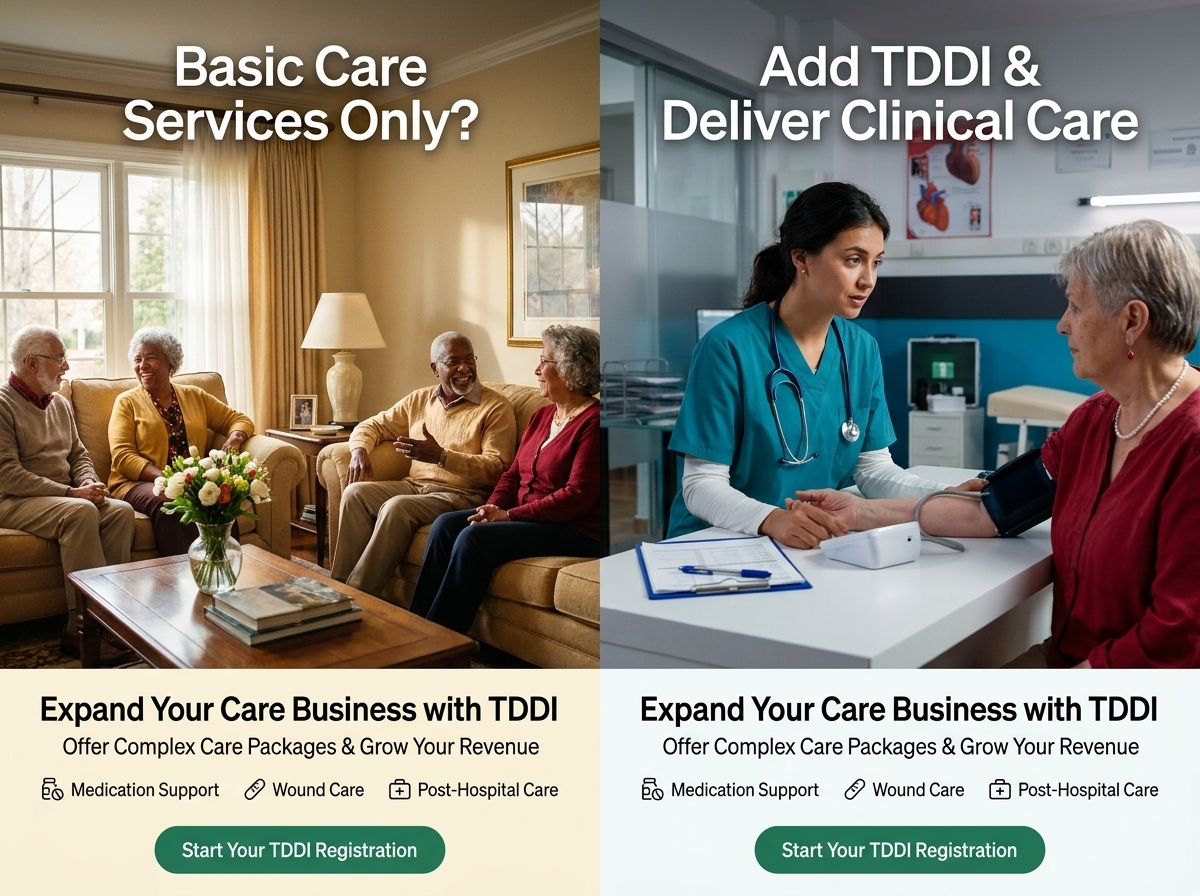
Adding Treatment of Disease, Disorder, and Injury (TDDI) or children’s services can diversify your offerings. This requires careful planning and adherence to specific regulations. Each service addition involves updating your registration and ensuring compliance with new standards. Many providers find this challenging but rewarding. These expansions can significantly increase your client base and service impact.

Navigating the PIR Submission Process

The Provider Information Return (PIR) is a mandatory submission that informs the CQC about your service. It includes information on your operations, staff, and service users. Completing the PIR accurately and on time is essential. This document helps the CQC assess your service’s compliance and quality. Be thorough and precise to maintain a positive relationship with the CQC.

Ensuring Compliance with CQC Governance Framework

Compliance is an ongoing commitment. Ensuring your service aligns with the CQC governance framework is key to long-term success. This involves regular audits, staff training, and policy reviews. Staying updated with regulatory changes and maintaining open communication with the CQC supports compliance. A proactive approach keeps your service inspection-ready and promotes excellence.

By understanding and navigating the CQC registration process effectively, you can set a strong foundation for your care service. With Hellocare Consulting’s support, you’ll be well-equipped to tackle every step with confidence.

Avoid penalties and missed growth by acting promptly with Hellocare’s expert support for your care agency.

Two framed certificates on a wooden desk, one stamped REJECTED in red and the other APPROVED in green, with a blue wall and plant in the background.

Expand your care service portfolio with personalised CQC registration

Expanding your care service portfolio involves more than just ambition—it demands precise guidance through the Care Quality Commission’s registration process. Navigating CQC registration can feel complex, especially when adding regulated activities like Treatment of Disease, Disorder and Injury or children’s services. At Hellocare Consulting, we offer personalised support tailored to your agency’s needs, helping you prepare every step, from policies to fit person interview preparation. Keep reading to learn how expert CQC application support can build your confidence and ensure your growth is both safe and sustainable. Explore more about our services today.

See how Hellocare’s tailored support can simplify your care agency’s CQC journey and service expansion.

Expanding Your Care Service Portfolio

Adding new services to your care agency can be a rewarding venture. Yet, it’s essential to understand the steps involved to ensure compliance and quality.

Safely Extend Your Services

Thinking of expanding your services? It’s crucial to take measured steps. Each service addition should focus on maintaining high standards. Consider the specific needs of your community and target those areas for growth. For instance, many areas have a rising demand for learning disability and autism services. Addressing these needs can set your agency apart.

The first step in safely extending your services is to evaluate what your agency can handle. Assess your current resources and determine if you need more staff, new training, or additional space. Then, plan how you’ll meet increased demands while keeping quality intact. Remember, thorough preparation now paves the way for smooth service delivery later.

Navigating CQC Variation Applications

When it comes to adding new services, the CQC variation application is a vital part of the process. It allows your agency to officially update your service offerings. But don’t worry, it’s easier than it sounds. Start by clearly defining the new service you wish to add. Gather all the necessary documentation, including how this service will be integrated into your current offerings.

Next, submit your application with all supporting documents. The Care Quality Commission will then review everything to ensure your agency meets all requirements. Patience is key during this phase as thorough reviews can take some time. This process might seem daunting, but it’s a crucial step in ensuring your services align with CQC standards.

Expanding into Children’s Services

Broadening your portfolio to include children’s services opens new doors for your agency. It’s an opportunity to reach more families and make a larger community impact. Yet, it’s not just about adding this service; it’s about doing it right. This means ensuring your staff is trained specifically to work with children and understanding CQC regulations related to children’s care.

Your application must demonstrate how you plan to meet these standards. Include details about your approach to safety, care quality, and staff training. Once this groundwork is laid, you’ll be ready to provide a safe and welcoming environment for children. The outcome? Enhanced trust from families and a broadened scope of care.

Personalised CQC Registration Support

At Hellocare Consulting, we believe in offering tailored support that meets your specific needs. This ensures you get the most out of our services.

Tailored Policies and Procedures

Creating bespoke CQC policies and procedures is one of the first steps to successful registration. Every care provider is unique, so your policies should reflect your specific operations. This includes everything from staff conduct to handling emergencies.

Crafting these documents might seem tedious, but it’s essential for compliance and smooth operations. Our team helps you draft these policies, ensuring they’re comprehensive and up-to-date. This preparation helps prevent any compliance issues, allowing your agency to operate smoothly and confidently.

Fit Person Interview Preparation

Preparing for the fit person interview can be nerve-wracking, but it doesn’t have to be. This interview assesses whether you’re equipped to manage care services effectively. Hellocare Consulting provides guidance on what to expect and how to prepare.

We offer mock interviews and share common CQC interview questions and answers. By practicing with our experts, you’ll gain insights into what CQC looks for. This preparation builds confidence, ensuring you can demonstrate your capability and commitment to high standards during the actual interview.

CQC Application Support for Providers

Submitting your CQC registration or variation application can be complex. That’s where our support comes in. We guide you through each step, ensuring all your documents meet CQC standards. This includes advising on necessary forms, documentation, and timelines.

Our team’s expertise means we’re familiar with common pitfalls and can help you avoid them. This attention to detail increases your chances of a successful application, setting your agency on the path to growth and compliance.

Expert Guidance for Care Providers

Expanding and improving your care services is a journey. Our expert guidance ensures you’re equipped at every stage.

Registered Manager Preparation Tips

As a registered manager, your role is crucial to the success of your care agency. Being prepared for your responsibilities can make a significant difference. Start by familiarizing yourself with the CQC compliance readiness criteria. Keep abreast of updates and ensure your team follows best practices.

Regular training and development sessions can help you stay ahead. Consider joining professional networks for support and knowledge sharing. Remember, being proactive is key to maintaining high standards and leading your team effectively.

Understanding Provider Information Returns (PIR)

The Provider Information Return (PIR) is more than just a form. It’s an opportunity to demonstrate your agency’s commitment to quality care. Completing the PIR accurately is essential for inspections and ongoing compliance.

Take the time to gather detailed information about your services and outcomes. Document areas of success and highlight improvements. This transparency not only aids in compliance but also boosts trust with clients and stakeholders.

Care Business Growth Consultancy

Looking to expand your care business? Expert consultancy can provide the insights you need. Our consultancy services focus on strategic growth, helping you navigate the complexities of expansion. We assess your current operations, identify opportunities, and develop actionable plans.

Engaging with a consultancy like Hellocare Consulting brings fresh perspectives and specialized expertise. This support plays a crucial role in ensuring sustainable growth and enhancing the quality of care you provide.

In Summary: Expanding your care services is a process that requires careful planning and execution. With the right support, you can navigate the complexities of CQC registration and ensure compliance. At Hellocare Consulting, we’re here to guide you every step of the way, ensuring your care services are both high-quality and compliant.

Woman seated at an outdoor wooden table with a laptop, notebook, and colorful sticky notes, looking at the camera.

CQC Registration Made Clear: A Practical Guide for New and Growing Care Providers

CQC Registration Made Clear: A Practical Guide for New and Growing Care Providers

CQC registration can feel overwhelming when you’re starting or expanding a care service. You need to understand the essential steps, from preparing your fit person interview and Provider Information Return to adding regulated activities like Treatment of Disease, Disorder or Injury (TDDI) or children’s services. This guide breaks down the process clearly and shows how Hellocare Consulting supports you every step of the way to build a strong, compliant foundation for your care agency. Explore the latest guidance here.

Essential Steps for CQC Registration

Embarking on your CQC registration journey involves navigating several key steps. Understanding the basics and preparing effectively can make a significant difference.

Understanding Regulated Activities

When it comes to CQC registration, knowing your regulated activities is crucial. These activities determine what services your agency can provide. Examples include personal care and nursing treatment. Each activity has its own standards and requirements set by the Care Quality Commission. You must demonstrate your capability to deliver these services safely and effectively.

Understanding these activities helps you align your agency’s services with CQC standards. This alignment is pivotal in ensuring that you meet regulatory expectations. To dive deeper into these standards, check out the regulations.

Preparing CQC Policies and Procedures

Policies and procedures form the backbone of your CQC registration. These documents cover everything from staff conduct to emergency protocols. They ensure everyone in your agency understands their roles and responsibilities.

Comprehensive policies help in maintaining high-quality service and compliance. Regularly updating these documents is necessary to reflect any regulatory changes. A well-documented procedure can also enhance your team’s efficiency, leading to better care outcomes.

Navigating the Fit Person Interview

The Fit Person Interview is a pivotal part of the CQC registration. It assesses your ability to manage and deliver care services effectively. Preparation is key to succeeding in this interview. Familiarize yourself with potential questions and focus on demonstrating your understanding of CQC standards.

Practicing your responses and highlighting your agency’s strengths can ease the interview process. Consider mock interviews to boost your confidence. Explore tips for interview preparation to ensure success.

Expanding Care Services Safely

Once you have a firm foundation, expanding your services can open new opportunities. This section explores how to add new services while maintaining compliance.

Adding Treatment of Disease, Disorder or Injury (TDDI)

Introducing TDDI services can significantly broaden your agency’s capabilities. However, it requires careful planning and compliance. Meeting the specific standards for TDDI ensures you provide safe and effective care.

By offering TDDI, you position your agency to serve a wider client base with diverse needs. This expansion not only enhances service delivery but also increases potential referrals. Learn about the regulation changes affecting TDDI services.

Integrating Children’s Services CQC

Adding children’s services involves understanding specific CQC requirements for this demographic. This service expansion allows your agency to cater to younger clients, meeting their unique care needs.

Ensure your application addresses safeguarding requirements and staff training standards. Proper planning and compliance can open doors to new contracts with local authorities. Explore guidelines for integrating children’s services.

Clinical Governance in Home Care

Good clinical governance is vital for maintaining high standards in home care services. Implementing effective governance structures helps you monitor and improve care quality.

Regular audits, staff training, and feedback loops are critical components. These strategies ensure your services remain responsive to client needs and compliant with CQC standards. Review the latest regulatory updates for home care governance.

Overcoming Common Registration Challenges

Even with thorough preparation, challenges in the registration process can arise. Here’s how to tackle common obstacles effectively.

Crafting a Provider Information Return (PIR)

The Provider Information Return (PIR) is a detailed document that outlines your service’s readiness and quality. Completing this document thoroughly is crucial.

The PIR highlights your agency’s commitment to quality care and compliance. It should reflect accurate data and insights into your service delivery and outcomes. An incomplete PIR can lead to delays or negative inspection outcomes. Get support with crafting your PIR.

Common Pitfalls in CQC Compliance

Misunderstanding CQC standards or neglecting certain requirements can lead to compliance issues. Regular training and updates on CQC regulations can prevent these pitfalls.

Most agencies struggle with maintaining documentation and adhering to updated policies. Staying informed and proactive can keep your agency on track. Remember, compliance is an ongoing process, not a one-time task.

CQC Consultancy UK Support

Navigating CQC registration can be complex, but you don’t have to do it alone. Hellocare Consulting offers expert guidance and support tailored to your agency’s needs.

Our consultancy services cover everything from interview preparation to policy development. With our support, you can confidently expand your services and maintain compliance. Embrace the opportunity to enhance your care offerings and grow your agency with tailored consultancy.

In summary, CQC registration requires careful planning and ongoing commitment. By understanding the requirements and leveraging expert support, you can successfully navigate the process and expand your services safely.

Avoid penalties and missed growth by acting promptly with Hellocare’s expert support for your care agency.

Five colleagues collaborate around a conference table, reviewing charts and notes in a bright office.

Care Service Expansion: PIR Made Simple

Care Service Expansion: PIR Made Simple

Completing the Provider Information Return can feel overwhelming, especially if it’s your first time tackling the PIR CQC requirements. Many care providers struggle to organise evidence and align responses with the Single Assessment Framework’s Quality Statements. This guide breaks down the process into clear steps, helping you strengthen your submission and prepare with confidence. Read on to learn how expert support from Hellocare Consulting can make your PIR completion more manageable and effective.

Step-by-Step Guide to PIR Completion

Understanding the Provider Information Return

The Provider Information Return (PIR) is a crucial document for care providers. It helps the Care Quality Commission (CQC) understand how your service operates. By completing it accurately, you ensure that your service is ready for inspections and meets all requirements.

First, gather all relevant data about your service. This includes information on staffing, care quality, and user feedback. Ensure everything is up-to-date. Then, use this data to fill out the PIR form with precise details. Remember, the CQC uses this information to plan inspections, so clarity and accuracy are key.

Once your PIR is complete, review it thoroughly. Make sure every section is filled out correctly. This can prevent delays and misunderstandings during CQC inspections. For detailed guidance, you can refer to the official PIR guidance.

Navigating the Single Assessment Framework

The Single Assessment Framework (SAF) is used to assess the quality of care services. It’s essential to understand how it works to complete your PIR effectively. The SAF focuses on five key areas: safety, effectiveness, caring, responsiveness, and leadership.

To start, familiarize yourself with these key areas. Each one plays a vital role in how your service is evaluated. For instance, safety involves everything from risk management to infection control. Effectiveness covers how well your service meets user needs.

Next, assess your service against these areas. Identify any gaps or areas for improvement. This will help you provide accurate information in your PIR. Regularly reviewing your service against the SAF can also improve overall care quality.

Mapping Evidence to CQC Quality Statements

To strengthen your PIR submission, it’s important to align your evidence with CQC Quality Statements. These statements outline what the CQC expects from care services. By mapping your evidence to them, you show how your service meets standards.

Begin by identifying which Quality Statements are relevant to your service. Then, gather evidence that supports each statement. This could include user feedback, staff training records, or safety audits. Ensure your evidence is current and comprehensive.

Organize your evidence clearly in the PIR. Use specific examples to illustrate how your service meets each Quality Statement. This not only helps the CQC but also boosts your confidence during inspections. Remember, well-organized evidence speaks volumes about your service’s quality.

Expert Support for CQC Compliance

Navigating the PIR and CQC compliance process can be challenging. That’s where expert support can make a significant difference. Hellocare Consulting offers specialized assistance to ensure your service is always inspection-ready.

Hellocare Consulting: A Trusted Partner

Hellocare Consulting is dedicated to helping care providers succeed. With a 99.9% success rate in CQC registrations, they provide reliable support at every step. Their team understands the complexities of the PIR process and is ready to guide you through it.

By partnering with Hellocare, you receive personalized advice tailored to your service’s needs. They assist in gathering and organizing evidence, ensuring your PIR aligns with CQC standards. This support boosts your chances of a smooth inspection experience.

Enhancing Outcomes and Metrics in Care

Improving outcomes and metrics is crucial for care services. Hellocare Consulting offers strategies to enhance these areas, aligning them with CQC requirements. They focus on quality improvement, helping your service excel in inspections and daily operations.

Begin by assessing your current metrics. Identify areas that need improvement, such as user satisfaction or response times. Hellocare provides tools and advice to enhance these metrics, ensuring your service stands out.

With improved metrics, your service not only meets but exceeds CQC expectations. This leads to better care experiences for users and higher satisfaction rates. Investing in outcomes and metrics is a step towards long-term success in the care industry.

Governance and Leadership: Key Considerations

Strong governance and leadership are cornerstones of successful care services. They ensure your service operates efficiently and complies with all regulations. Hellocare Consulting offers guidance to strengthen these areas, preparing your service for any challenges.

Start by reviewing your current governance structure. Identify any weaknesses or areas for improvement. Hellocare can help you develop a robust governance plan, focusing on leadership development and accountability.

With strong governance in place, your service is better equipped to handle inspections and provide high-quality care. Leadership training and strategic planning are essential components of this process. Investing in these areas ensures your service’s sustainability and success.

Complimentary PIR Readiness Call

To further support your PIR efforts, Hellocare Consulting offers a complimentary readiness call. This service provides a tailored action plan to guide your PIR completion process.

Benefits of a Tailored Action Plan

A personalized action plan addresses your service’s unique needs. It outlines steps to improve PIR readiness, focusing on key areas like evidence mapping and quality improvement. This approach ensures you’re well-prepared for inspections.

During the readiness call, Hellocare’s experts assess your current PIR status. They provide insights and recommendations to enhance your submission. This tailored support increases your confidence and readiness for CQC evaluations.

How to Book Your Consultation

Booking a consultation with Hellocare is simple. Contact their team to schedule a convenient time. During this session, you’ll discuss your service’s needs and receive expert advice tailored to your PIR challenges.

This consultation is an opportunity to gain valuable insights into the PIR process. Hellocare’s experts are ready to assist you, ensuring your service is always inspection-ready. Take this step to improve your PIR submission and overall service quality.

Preparing for Your Fit Person Interview

The Fit Person Interview is a critical part of the CQC registration process. Hellocare Consulting offers preparation services to help you succeed. With practice sessions and expert advice, you’re equipped to handle any questions with confidence.

Begin by understanding what the interview entails. Hellocare provides resources and guidance to help you prepare. Practice common questions and focus on showcasing your service’s strengths and compliance with CQC standards.

With Hellocare’s support, you’re ready to excel in your Fit Person Interview. This preparation not only boosts your confidence but also enhances your service’s reputation. Investing in interview preparation is a step towards successful CQC registration.

In conclusion, navigating the PIR and CQC compliance processes can be challenging. However, with the right support and guidance, your service can excel. Hellocare Consulting is here to assist you at every step, ensuring your service meets and exceeds CQC expectations.

See how Hellocare’s tailored support can simplify your care agency’s CQC journey and service expansion.

Reduce CQC Rejections with Professional Consultancy Guidance

From Rejection to Readiness: How Expert Consultancy Reduces Repeat CQC Registration Setbacks

Repeated CQC registration rejections drain time and resources, leaving care providers stuck in a frustrating cycle. You need more than basic application support; you need targeted guidance that addresses common pitfalls like weak policies, incomplete evidence, and unprepared fit person interviews. This guide explains how expert consultancy sharpens your CQC registration approach, helping you reduce resubmissions and launch your care service with confidence. Read on to learn practical steps to strengthen your application and secure your place in the care sector. For more insights, visit https://hellocareconsulting.com/avoid-cqc-rejection-costly-mistakes-new-care-providers-make-and-how-to-fix-them/.

Overcoming CQC Registration Setbacks

Navigating the CQC registration process can be complex. Common reasons for application rejection often stem from issues that can be avoided with the right support.

Common Reasons for Application Rejection

Many applications falter due to incomplete documents and generic policies. Missing details in your CQC evidence pack can halt progress. Think of your application as a story that must align across all elements. Inconsistencies, like mismatched service details, can lead to immediate rejection.

Using generic policies is another pitfall. These are easily spotted and suggest a lack of understanding of your service. Tailored policies show you know the specific needs of your care services. Your statement of purpose should clearly define what makes your services unique.

Where does this leave you? Preparing a robust application requires precision and clarity. Next, we’ll explore how expert consultancy plays a crucial role in overcoming these obstacles.

Importance of Expert Consultancy

Expert consultancy offers targeted support to tackle common CQC application challenges. With a high success rate, these services guide you through each step. Their experience helps you avoid the pitfalls that lead to rejections.

Consultants tailor their approach to your needs, ensuring your documentation and policies reflect your service accurately. This guidance enhances your confidence and readiness for CQC interviews.

By tapping into expert knowledge, you reduce resubmissions and accelerate your service launch. Now, let’s delve into how you can strengthen your CQC application effectively.

Strengthening Your CQC Application

Improving your application involves crafting clear, compelling documents. Start by refining your statement of purpose to stand out.

Crafting a Compelling Statement of Purpose

Your statement of purpose is more than words on a page. It’s your chance to demonstrate how your care service stands apart. Clearly define who you are, what services you offer, and who you serve.

Avoid vague language. Instead, use specific examples and data. For instance, if your service focuses on domiciliary care compliance, mention the exact number of clients you aim to serve and the geographical area you cover.

Remember, it’s not just about stating you’ll provide “good care.” Detail your methods and the outcomes you aim to achieve. This document should paint a vivid picture of your service, leaving no room for guesswork.

Aligning Policies with Regulated Activities

Policies are the backbone of your application. They must align perfectly with the regulated activities you plan to offer. Generic policies can signal a lack of preparation, so customize them to reflect your specific service.

For example, if you’re adding Treatment of disease, disorder, and injury (TDDI), ensure your policies address the unique challenges of delivering this service safely. This alignment reassures the CQC that you understand and can manage the complexities involved.

Tailored policies showcase your commitment to quality assurance in care. They prove you’ve considered every aspect of your service delivery. Next, we’ll discuss how to prepare thoroughly for CQC interviews.

Preparing for Successful CQC Interviews

Interviews are a critical part of the CQC process. Preparation is key to demonstrating your capability and readiness.

Fit Person Interview Preparation

The fit person interview evaluates your understanding of governance and compliance. To prepare, simulate potential questions and practice your responses. Consider scenarios that test your problem-solving skills in real-life situations.

Focus on demonstrating your knowledge of clinical governance in home care. Ensure you can articulate how your policies translate into daily practices. This preparation builds confidence and competence, key traits the CQC looks for in leaders.

Essential Elements of a CQC Evidence Pack

Your evidence pack supports your claims of readiness and capability. It should include all necessary documents, such as a comprehensive CQC Statement of Purpose and safeguarding policies for children.

Ensure all information is consistent and up to date. Discrepancies can raise red flags, delaying your application. Presenting a cohesive, well-organised evidence pack underscores your commitment to CQC inspection readiness.

By addressing these elements proactively, you increase your chances of a successful CQC registration. For further guidance, explore resources like this Instagram reel on effective policy preparation.

In summary, expert consultancy helps you navigate the complexities of CQC registration with confidence. By refining your application and preparing thoroughly for interviews, you set the stage for a successful service launch.

Ensure your CQC registration is completed correctly the first time. Speak with our experts today for guided, stress-free application submission.

From Rejection to Success: How Expert Support Simplifies CQC Registration

From Rejection to Readiness: How Expert Consultancy Reduces Repeat CQC Registration Setbacks

Repeated CQC registration rejections drain time and resources, leaving care providers stuck in a frustrating cycle. You need more than basic application support; you need targeted guidance that addresses common pitfalls like weak policies, incomplete evidence, and unprepared fit person interviews. This guide explains how expert consultancy sharpens your CQC registration approach, helping you reduce resubmissions and launch your care service with confidence. Read on to learn practical steps to strengthen your application and secure your place in the care sector. For more insights, visit https://hellocareconsulting.com/avoid-cqc-rejection-costly-mistakes-new-care-providers-make-and-how-to-fix-them/.

Overcoming CQC Registration Setbacks

Navigating the CQC registration process can be complex. Common reasons for application rejection often stem from issues that can be avoided with the right support.

Common Reasons for Application Rejection

Many applications falter due to incomplete documents and generic policies. Missing details in your CQC evidence pack can halt progress. Think of your application as a story that must align across all elements. Inconsistencies, like mismatched service details, can lead to immediate rejection.

Using generic policies is another pitfall. These are easily spotted and suggest a lack of understanding of your service. Tailored policies show you know the specific needs of your care services. Your statement of purpose should clearly define what makes your services unique.

Where does this leave you? Preparing a robust application requires precision and clarity. Next, we’ll explore how expert consultancy plays a crucial role in overcoming these obstacles.

Importance of Expert Consultancy

Expert consultancy offers targeted support to tackle common CQC application challenges. With a high success rate, these services guide you through each step. Their experience helps you avoid the pitfalls that lead to rejections.

Consultants tailor their approach to your needs, ensuring your documentation and policies reflect your service accurately. This guidance enhances your confidence and readiness for CQC interviews.

By tapping into expert knowledge, you reduce resubmissions and accelerate your service launch. Now, let’s delve into how you can strengthen your CQC application effectively.

Strengthening Your CQC Application

Improving your application involves crafting clear, compelling documents. Start by refining your statement of purpose to stand out.

Crafting a Compelling Statement of Purpose

Your statement of purpose is more than words on a page. It’s your chance to demonstrate how your care service stands apart. Clearly define who you are, what services you offer, and who you serve.

Avoid vague language. Instead, use specific examples and data. For instance, if your service focuses on domiciliary care compliance, mention the exact number of clients you aim to serve and the geographical area you cover.

Remember, it’s not just about stating you’ll provide “good care.” Detail your methods and the outcomes you aim to achieve. This document should paint a vivid picture of your service, leaving no room for guesswork.

Aligning Policies with Regulated Activities

Policies are the backbone of your application. They must align perfectly with the regulated activities you plan to offer. Generic policies can signal a lack of preparation, so customize them to reflect your specific service.

For example, if you’re adding Treatment of disease, disorder, and injury (TDDI), ensure your policies address the unique challenges of delivering this service safely. This alignment reassures the CQC that you understand and can manage the complexities involved.

Tailored policies showcase your commitment to quality assurance in care. They prove you’ve considered every aspect of your service delivery. Next, we’ll discuss how to prepare thoroughly for CQC interviews.

Preparing for Successful CQC Interviews

Interviews are a critical part of the CQC process. Preparation is key to demonstrating your capability and readiness.

Fit Person Interview Preparation

The fit person interview evaluates your understanding of governance and compliance. To prepare, simulate potential questions and practice your responses. Consider scenarios that test your problem-solving skills in real-life situations.

Focus on demonstrating your knowledge of clinical governance in home care. Ensure you can articulate how your policies translate into daily practices. This preparation builds confidence and competence, key traits the CQC looks for in leaders.

Essential Elements of a CQC Evidence Pack

Your evidence pack supports your claims of readiness and capability. It should include all necessary documents, such as a comprehensive CQC Statement of Purpose and safeguarding policies for children.

Ensure all information is consistent and up to date. Discrepancies can raise red flags, delaying your application. Presenting a cohesive, well-organised evidence pack underscores your commitment to CQC inspection readiness.

By addressing these elements proactively, you increase your chances of a successful CQC registration. For further guidance, explore resources like this Instagram reel on effective policy preparation.

In summary, expert consultancy helps you navigate the complexities of CQC registration with confidence. By refining your application and preparing thoroughly for interviews, you set the stage for a successful service launch.

Ensure your CQC registration is completed correctly the first time. Speak with our experts today for guided, stress-free application submission.

How to Develop Compliant Policies for Successful CQC Registration

How to Develop Compliant Policies for Successful CQC Registration

Many care providers underestimate how complex CQC registration can be without properly structured policies. Your policies must clearly reflect the Single Assessment Framework and align with CQC Quality Statements to stand up to scrutiny. In this guide, you’ll learn how to build CQC compliant policies that support your registration goals and set a strong foundation for inspection readiness. Book a discovery call with Hellocare Consulting to begin refining your policy suite and move forward with confidence. https://hellocareconsulting.com/developing-cqc-compliant-policies-and-procedures-a-practical-guide-for-new-and-growing-care-providers/

Building CQC-Compliant Policies

Creating policies that meet CQC standards is a critical task for care providers. Understanding the key frameworks that guide these standards is the first step.

Understanding the Single Assessment Framework

The Single Assessment Framework is fundamental to your CQC registration. This framework outlines the criteria your care service must meet. It evaluates areas like safety, quality, and leadership. Knowing these criteria helps you prepare policies that pass inspections.

To start, review the framework guidelines. They are available on the CQC website here. This document details everything you need to cover in your policies. By aligning your policies with these guidelines, you ensure they meet necessary standards.

Consider the framework a map. It guides your policy development process. Without it, you risk creating policies that don’t align with CQC requirements. This can delay your registration or result in a failed inspection.

Aligning with CQC Quality Statements

Quality Statements are another vital component of your policy structure. They set expectations for care delivery. Aligning your policies with these statements assures compliance.

Start by identifying the key Quality Statements relevant to your services. These statements are designed to ensure your care service is safe, caring, and effective. They also focus on the need for responsive and well-led services.

Your policies should reflect these qualities. For instance, if a statement emphasizes patient safety, your policies should outline specific safety protocols. This alignment not only aids compliance but also enhances service delivery.

Identifying Evidence Categories for CQC

Evidence is crucial for demonstrating compliance with CQC standards. Identifying relevant evidence categories is essential for policy development.

Evidence categories typically include documents such as risk assessments, staff training records, and safety audits. These documents support your claims of compliance. They show inspectors that you adhere to CQC standards in practice, not just on paper.

Collecting evidence should be an ongoing process. Regularly update your documents to reflect any changes in your service. This proactive approach prepares you for inspections and ensures continual compliance.

Structuring Effective Policies and Procedures

Once you understand the framework and statements, structuring your policies becomes easier. An effective structure ensures clarity and compliance.

Key Elements of a Governance Framework

A robust governance framework is the backbone of your policies. It provides structure and oversight, ensuring all areas of your service meet CQC standards.

Begin with a clear mission statement. This statement should reflect your commitment to quality care. It guides your policy development and sets expectations for your team.

Include roles and responsibilities in your framework. Clear definitions prevent overlaps and ensure accountability. This clarity is crucial for maintaining compliance and improving service delivery.

Domiciliary and Home Care Compliance Essentials

Domiciliary and home care services have specific compliance requirements. Understanding these essentials is key to developing effective policies.

Focus on policies that address patient interaction and home safety. For instance, your policies should include guidelines for staff entering and leaving a home. This ensures patient safety and privacy.

Additionally, consider the training needs of your staff. Policies should outline the training required to maintain compliance. This ensures your team is well-prepared to deliver high-quality care.

Risk Assessment and Clinical Governance in Care

Risk assessment is a critical component of clinical governance. It identifies potential issues and outlines how to manage them. Your policies should include a comprehensive risk assessment strategy.

Start by identifying common risks in your service. These might include medication errors, patient falls, or staff shortages. For each risk, develop protocols to mitigate them. This proactive approach is essential for maintaining patient safety and service quality.

Preparing for CQC Registration Success

Having the right policies is crucial, but preparing for registration involves more than just paperwork. Let’s explore the steps to ensure success.

Fit Person Interview Preparation

The Fit Person Interview assesses your ability to manage a care service. Preparing for this interview is crucial for successful registration.

Begin by reviewing potential interview questions. These often cover topics like governance, patient safety, and quality assurance. Familiarize yourself with these areas to ensure you’re well-prepared.

Mock interviews can also be beneficial. They simulate the interview environment, helping you practice your responses. This preparation increases your confidence and improves your performance.

Provider Information Return (PIR) Essentials

The Provider Information Return (PIR) is a key document in the registration process. It provides inspectors with detailed information about your service.

Ensure your PIR is accurate and comprehensive. It should include details about your staffing, patient demographics, and care delivery processes. This information helps inspectors understand your service and evaluate its compliance with CQC standards.

Regularly update your PIR. This ensures it reflects any changes in your service, reducing the likelihood of delays during the inspection process.

Expanding Services: Children’s, Learning Disability, and Autism

Expanding your services can enhance your offerings and increase your client base. However, it requires careful planning and compliance with CQC standards.

Start by understanding the specific requirements for the services you intend to offer. For instance, services for children or individuals with learning disabilities have unique compliance needs.

Develop policies that address these requirements. This ensures your expanded services remain compliant and meet the needs of your clients. By doing so, you not only enhance your service offerings but also improve the quality of care you provide.

In conclusion, developing CQC-compliant policies involves understanding the framework, aligning with Quality Statements, and structuring effective policies. By focusing on these areas, you prepare your service for successful registration and ongoing compliance.

Explore proven strategies for smooth CQC approval and service growth with expert support.

CQC registration: common obstacles and expert strategies to overcome them

CQC registration: common obstacles and expert strategies to overcome them

Many care providers find CQC registration more challenging than expected. Common CQC mistakes often delay approvals and add unnecessary stress to your application process. In this post, you’ll learn practical strategies to navigate these obstacles with confidence and clarity, backed by Hellocare Consulting’s proven support. Book a complimentary 20-minute consultation to review your CQC application plan and request our CQC Registration Readiness Checklist. For more insights, visit our LinkedIn post.

Navigating CQC Registration Challenges

Understanding the CQC registration process is crucial. Let’s explore common mistakes and how to overcome them, ensuring a smoother application journey.

Common CQC Mistakes to Avoid

Many providers stumble over similar issues. Missing documents, unclear responses, or incomplete policies can lead to delays. For instance, a provider might submit an application without a full set of compliant policies. This oversight often results in a returned application. Ensuring all paperwork is thorough and accurate is key. Another frequent mistake is underestimating the depth of detail required in responses. Avoid vague answers; instead, be precise and concise. An example: when asked about safeguarding measures, detail specific staff training and reporting procedures. This level of detail demonstrates readiness and compliance. You can find more about these pitfalls here.

Overcoming CQC Registration Hurdles

Addressing these challenges requires a strategic approach. Begin with a comprehensive review of all application materials. Ensure documentation is not only complete but also reflects current regulations. Consider seeking expert guidance to identify weak spots in your application. A consultation can provide clarity on what’s missing or needs enhancing. Regular updates to policies and procedures ensure they remain relevant and compliant. Remember, a well-prepared application minimizes the risk of delays and enhances your chances of approval.

Role of Governance and Quality Assurance

Strong governance systems are vital. They provide the framework for quality care delivery. Implement clear leadership structures and decision-making processes. Regular audits and monitoring help maintain high standards. Quality assurance involves identifying issues before they escalate. This proactive approach not only meets CQC standards but also fosters a culture of continuous improvement. Ensure staff understand their roles in maintaining governance and quality assurance. Training and clear communication are essential here.

Expert Strategies for Successful CQC Applications

Moving forward, let’s delve into expert strategies that can significantly boost your CQC application success rate.

Crafting a Strong Statement of Purpose CQC

The Statement of Purpose is a crucial document. It outlines your service’s aims, objectives, and how you meet regulatory standards. Start by clearly defining your service’s unique identity and values. Highlight the specific needs your service addresses and the benefits you provide to your clients. For example, if your service caters to individuals with learning disabilities, detail the specialised support you offer. Remember, this document is not just about compliance; it’s an opportunity to showcase your commitment to high-quality care.

Effective CQC Policies and Procedures

Policies and procedures form the backbone of a well-run care service. They ensure consistency and compliance. Begin by reviewing existing documents to ensure they align with current regulations. Update policies regularly to reflect any changes in legislation or best practices. Involve staff in the development and review process to ensure they understand and can implement these policies. Comprehensive policies demonstrate your service’s commitment to providing safe and effective care.

Preparing for the Fit Person Interview

The Fit Person Interview is a critical component of the CQC registration process. It assesses your understanding of regulatory responsibilities. Start by familiarising yourself with common CQC interview questions. Practice your responses, focusing on clarity and confidence. Highlight your commitment to compliance and quality care. Consider conducting a mock interview to identify areas for improvement. This preparation boosts your confidence and ensures you present yourself as a knowledgeable and competent leader.

Expanding Your Care Services with Confidence

With a solid foundation in place, consider expanding your services. Let’s explore how to add new offerings confidently.

Adding Children Services and TDDI

Expanding your services to include children can be rewarding. It requires careful planning and compliance with specific regulations. Begin by reviewing your current registration and identifying necessary updates. Develop tailored policies for children’s care, focusing on safeguarding and specialised support. Consider the additional training your staff will need to provide high-quality care to younger clients. This expansion not only broadens your service offering but also meets growing demand in the community.

Ensuring Comprehensive Staff Training Matrix

A well-organized staff training matrix is essential. It ensures all team members are equipped with the necessary skills and knowledge. Start by identifying the core competencies required for each role. Develop a training plan that covers these areas, incorporating both initial and ongoing training. Regularly review and update your training matrix to reflect new regulations or service changes. This approach not only enhances staff performance but also ensures your service remains compliant and effective.

Safeguarding Policy and Medicines Management

Robust safeguarding policies are non-negotiable. They protect your clients and ensure compliance. Begin by reviewing current policies to ensure they reflect best practices and regulatory requirements. Incorporate regular training for staff to keep them informed and prepared. Medicines management is equally critical. Establish clear protocols for administering and monitoring medications. These measures protect your clients’ well-being and demonstrate your commitment to providing safe and effective care.

In conclusion, understanding and navigating the CQC registration process is essential for success. By avoiding common mistakes, implementing robust governance, and employing expert strategies, you can position your service for growth and excellence. Remember, thorough preparation and a commitment to quality are your best tools in this journey. For further assistance, explore our detailed guide on avoiding pitfalls here.

Call 07508823495 to book a free 30 mins session to discuss your CQC registration requirement needs.