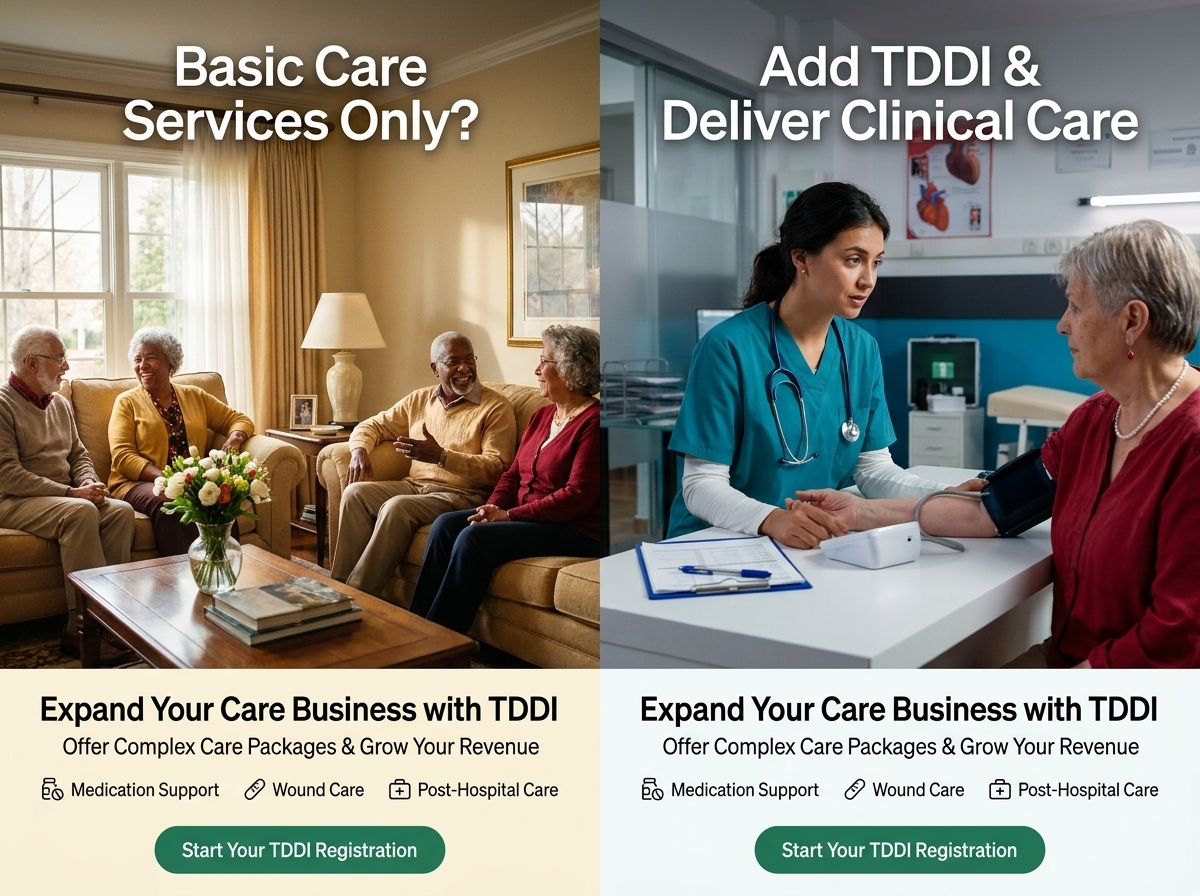
Expanding your domiciliary care service brings new opportunities, but building compliant policies can feel overwhelming. You need clear, practical guidance to meet CQC registration requirements and safely add services like Children’s care or Treatment of Diseases, Disorder and Injury. This guide lays out essential strategies to help you develop domiciliary care policies that support growth while maintaining high standards. Keep reading to learn how to strengthen your governance and prepare confidently for CQC inspections.
Creating compliant policies is your first step toward successful CQC registration. This foundation ensures your agency meets standards and provides quality care.
Understanding CQC Registration Requirements
To begin, it’s crucial to grasp the CQC’s expectations. The CQC mandates that providers deliver safe, caring, responsive, effective, and well-led services. You must demonstrate how your policies support these goals. For example, having clear safeguarding children policies is essential. By aligning your practices with these criteria, you not only meet legal obligations but also enhance your service quality.
Understanding these requirements lays the groundwork for everything your agency does. You’ll need to showcase your agency’s ability to handle risk assessments and incident reporting efficiently. This involves documenting procedures, training your team, and ensuring that all staff understand their responsibilities. Such measures prepare you for any challenges, keeping both clients and staff safe.
Developing Effective Domiciliary Care Policies
Now, let’s focus on policy creation. Your policies should clearly outline daily operations and how you handle unexpected events. Start with core areas like medicines management in domiciliary care. Specify who is responsible for what and ensure all staff are trained. For instance, detailing how you store and administer medicines reduces risks and improves client trust.
Regular policy reviews are crucial. They help you adapt to new regulations and maintain compliance. Encourage staff feedback to refine these policies. This proactive approach fosters a culture of continuous improvement, promoting a safe and effective care environment.
Ensuring Home Care Compliance
Compliance is ongoing, not a one-time effort. Regular audits and updates keep your agency aligned with CQC standards. Start by checking your procedures against the CQC single assessment framework. This step ensures nothing is overlooked.
Training is another pillar of compliance. Regular sessions keep your team informed about the latest practices. It’s also beneficial to rehearse CQC scenarios. This preparation boosts confidence during inspections and ensures your agency remains compliant.
Expanding Care Services Safely
Expanding services opens new avenues, but it requires careful planning. You want to grow while ensuring all services meet CQC standards.
Adding Children’s Services CQC
Adding children’s services requires special attention. You’ll need to meet specific criteria, such as staff qualifications and safeguarding protocols. Make sure your safeguarding children policy is robust and clear to all staff. This policy protects children and builds trust with families.
Consider partnerships with local authorities to better understand requirements. They can offer insights into expectations and help ensure your policies meet necessary standards. This collaboration strengthens your service offering and aligns you with community needs.
Navigating TDDI Regulated Activity
Introducing the Treatment of Diseases, Disorder and Injury (TDDI) involves additional layers of compliance. You need to ensure your staff have the right competencies. This service can increase referrals, so it’s important to get it right. Tailor your policies to address specific treatment protocols and equipment use.
Regular staff training on TDDI procedures is essential. It ensures everyone is prepared and your services meet client needs effectively. This focus on training also demonstrates your commitment to high standards and can set your agency apart from competitors.
Addressing Learning Disability and Autism Services
Expanding into services for learning disabilities and autism requires a nuanced approach. Policies should reflect an understanding of these conditions and offer tailored support. Start by developing care policies and procedures UK that focus on individual needs and preferences.
Training plays a key role here as well. Equip your staff with skills to handle diverse situations. This preparation enhances care quality and ensures compliance with CQC standards. Moreover, it improves client satisfaction and boosts your agency’s reputation.
Strengthening Governance and Management
Strong governance is essential for maintaining high service standards. It ensures your agency meets all regulatory obligations.
Implementing a Clinical Governance Framework
A solid clinical governance framework supports safe and effective service delivery. It involves setting clear roles, responsibilities, and performance indicators. This structure helps you monitor quality and make necessary improvements.
Regular reviews of your framework keep it relevant and effective. Involve your team in these evaluations. Their insights can highlight areas for improvement and ensure your services remain top-notch.
Conducting Risk Assessment and Incident Reporting
Risk assessment and incident reporting are critical components of effective governance. They help identify potential issues before they escalate. Establish clear protocols for reporting incidents and encourage staff to follow them.
Use data from these reports to improve your services. Patterns may reveal areas needing attention, guiding your policy reviews and training sessions. This proactive stance not only ensures compliance but also enhances overall service quality.
Preparing for CQC Fit Person Interviews
Preparation is key for CQC Fit Person Interviews. These sessions assess your understanding of compliance and CQC standards. Practicing your responses is crucial; focus on demonstrating how your agency meets each criterion.
Mock interviews can build confidence. Use these sessions to refine your answers and address any gaps in your knowledge. This preparation shows the CQC your commitment to maintaining high standards and can significantly boost your confidence during the actual interview.
Developing compliant policies is a continuous journey, not a destination. By focusing on these strategies, you ensure your agency’s growth aligns with CQC standards. This approach supports sustainable expansion and enhances the quality of care you provide.
Adding Treatment of Diseases, Disorder and Injury (TDDI) to your home care agency can open new doors, but the process can be complex without expert guidance. You may already know the clinical and commercial benefits, yet navigating CQC registration and meeting governance requirements often feels overwhelming. This post will outline clear steps to add regulated activity successfully and show how tailored support from Hellocare Consulting can make your expansion practical and compliant.
Exploring the advantages of integrating TDDI into your care agency reveals several compelling benefits, including clinical improvements, streamlined operations, and expanded market reach. Let’s dive into what each of these areas has to offer.
Clinical Advantages for Agencies
Introducing TDDI can enhance the quality of care you provide. This regulated activity allows you to address a broader range of health issues right in your clients’ homes. Imagine being able to offer tailored treatment plans that improve patient outcomes and increase satisfaction. Access to treatments such as administering medication and wound care elevates your service offering. This not only meets a critical demand in the healthcare sector but also positions your agency as a provider of comprehensive care. When clients see these expanded capabilities, trust in your agency grows, which is a powerful differentiator in a competitive market.
Operational Improvements and Efficiency
Adding TDDI doesn’t just benefit clients; it also improves your agency’s operations. By streamlining workflows and procedures, you can handle more complex cases efficiently. This means less time spent coordinating with external medical providers and more time focusing on quality care delivery. Effective integration of TDDI can reduce administrative burdens, allowing your staff to operate at their best. With the right policies and staff training, you can create a seamless transition into offering these services. This operational boost can lead to fewer errors and better resource management, ultimately contributing to improved care and client satisfaction.
Commercial Gains and Market Expansion
The commercial potential of adding TDDI is significant. By broadening your service offerings, you increase your market reach and appeal to a wider client base. Consider the potential to secure longer-term contracts with higher rates for more complex care packages. As you cater to clients requiring more intensive care, your agency becomes a preferred provider for both private clients and commissioners. This expansion not only boosts revenue but also enhances your reputation as a versatile and capable care provider. In a crowded market, these commercial advantages can set your agency apart from others, offering a solid foundation for sustained growth.
Requirements for TDDI Integration
While the benefits are clear, integrating TDDI requires meeting specific regulatory and operational requirements. Understanding these needs is essential for a smooth transition.
Governance and Workforce Essentials
Ensuring your agency meets the necessary governance standards is crucial when adding TDDI. This involves having the right clinical governance framework in place, which includes policies, procedures, and skilled staff. Your team will need to include qualified professionals capable of delivering the required care services. Developing a robust medicines management policy and ensuring all staff are trained in its application is a key step. Regular staff training and performance reviews will also help maintain high standards of care. By focusing on these essentials, you set the stage for a successful integration that meets all regulatory demands.
Navigating CQC Policies and Procedures
Understanding the Care Quality Commission’s (CQC) policies and procedures is fundamental for compliance. Familiarize yourself with the CQC’s five key questions focused on safety, effectiveness, care, responsiveness, and leadership. Each aspect requires documentation and evidence to demonstrate compliance. Keeping policies updated with the latest regulatory changes is crucial. Regularly reviewing these standards helps in avoiding non-compliance risks. For a deeper understanding, you can refer to CQC’s official guidance on TDDI.
Preparing for Provider Information Return PIR
The Provider Information Return (PIR) is an essential component of your CQC compliance strategy. Completing the PIR accurately ensures your agency is inspection-ready. It involves documenting how your service operates, the type of care provided, and the outcomes achieved. This process requires attention to detail and a thorough understanding of your agency’s operations. Accurate completion of the PIR can prevent potential issues during inspections and demonstrate your commitment to quality care. By preparing thoroughly, you demonstrate your agency’s dedication to maintaining high standards and continuous improvement.
Expert Guidance for Success
Navigating the complexities of adding TDDI requires expert guidance. With the right support, you can streamline the process and focus on delivering exceptional care.
CQC Registration and Application Process
The CQC registration process is a critical step for agencies adding TDDI. Completing the application accurately and efficiently requires a detailed understanding of CQC requirements. Engaging with experts who can guide you through the application process ensures nothing is overlooked. This involves preparing necessary documentation, including service descriptions and governance frameworks. A thorough application not only speeds up the approval process but also strengthens your agency’s credibility. With expert support, navigating the registration becomes less daunting, allowing you to focus on planning and growth.
Tailored Support for CQC Interview Preparation
Preparing for the CQC interview is an essential part of the registration process. This interview assesses your agency’s readiness to provide high-quality care. Mock interviews and expert coaching can boost your confidence and readiness. Focus on showcasing your agency’s strengths and how you meet the CQC’s standards. Sharing real examples of client outcomes can make a strong impact. Proper preparation not only helps you succeed in the interview but also reinforces your agency’s commitment to excellence.
Engaging Hellocare Consulting for Comprehensive Assistance
Hellocare Consulting offers tailored support to help your agency successfully add TDDI. From navigating the registration process to preparing for CQC interviews, their expertise ensures you meet all requirements efficiently. With a proven track record in CQC applications, you gain confidence knowing you have the right partner. Their comprehensive services include policy development, staff training, and ongoing consultancy. By engaging Hellocare Consulting, you invest in a successful expansion that enhances your agency’s capabilities and reputation.
In conclusion, adding TDDI to your home care agency brings numerous benefits and opportunities for growth. With careful planning and expert guidance, you can navigate the complexities of the process and position your agency for success.Move upMove downToggle panel: AIOSEO Settings
Adding TDDI to Your Home Care Agency: Benefits, Requirements, and How …
This post will outline clear steps to add regulated activity successfully and show how tailored support from Hellocare Consulting can expand your service
Post Title
Click on the tags below to insert variables into your title.
Adding Treatment of Diseases, Disorder and Injury (TDDI) to your home care agency can open new doors, but the process can be complex without expert guidance. You may already know the clinical and commercial benefits, yet navigating CQC registration and meeting governance requirements often feels overwhelming. This post will outline clear steps to add regulated activity successfully and show how tailored support from Hellocare Consulting can make your expansion practical and compliant.
Exploring the advantages of integrating TDDI into your care agency reveals several compelling benefits, including clinical improvements, streamlined operations, and expanded market reach. Let’s dive into what each of these areas has to offer.
Clinical Advantages for Agencies
Introducing TDDI can enhance the quality of care you provide. This regulated activity allows you to address a broader range of health issues right in your clients’ homes. Imagine being able to offer tailored treatment plans that improve patient outcomes and increase satisfaction. Access to treatments such as administering medication and wound care elevates your service offering. This not only meets a critical demand in the healthcare sector but also positions your agency as a provider of comprehensive care. When clients see these expanded capabilities, trust in your agency grows, which is a powerful differentiator in a competitive market.
Operational Improvements and Efficiency
Adding TDDI doesn’t just benefit clients; it also improves your agency’s operations. By streamlining workflows and procedures, you can handle more complex cases efficiently. This means less time spent coordinating with external medical providers and more time focusing on quality care delivery. Effective integration of TDDI can reduce administrative burdens, allowing your staff to operate at their best. With the right policies and staff training, you can create a seamless transition into offering these services. This operational boost can lead to fewer errors and better resource management, ultimately contributing to improved care and client satisfaction.
Commercial Gains and Market Expansion
The commercial potential of adding TDDI is significant. By broadening your service offerings, you increase your market reach and appeal to a wider client base. Consider the potential to secure longer-term contracts with higher rates for more complex care packages. As you cater to clients requiring more intensive care, your agency becomes a preferred provider for both private clients and commissioners. This expansion not only boosts revenue but also enhances your reputation as a versatile and capable care provider. In a crowded market, these commercial advantages can set your agency apart from others, offering a solid foundation for sustained growth.
Requirements for TDDI Integration
While the benefits are clear, integrating TDDI requires meeting specific regulatory and operational requirements. Understanding these needs is essential for a smooth transition.
Governance and Workforce Essentials
Ensuring your agency meets the necessary governance standards is crucial when adding TDDI. This involves having the right clinical governance framework in place, which includes policies, procedures, and skilled staff. Your team will need to include qualified professionals capable of delivering the required care services. Developing a robust medicines management policy and ensuring all staff are trained in its application is a key step. Regular staff training and performance reviews will also help maintain high standards of care. By focusing on these essentials, you set the stage for a successful integration that meets all regulatory demands.
Navigating CQC Policies and Procedures
Understanding the Care Quality Commission’s (CQC) policies and procedures is fundamental for compliance. Familiarize yourself with the CQC’s five key questions focused on safety, effectiveness, care, responsiveness, and leadership. Each aspect requires documentation and evidence to demonstrate compliance. Keeping policies updated with the latest regulatory changes is crucial. Regularly reviewing these standards helps in avoiding non-compliance risks. For a deeper understanding, you can refer to CQC’s official guidance on TDDI.
Preparing for Provider Information Return PIR
The Provider Information Return (PIR) is an essential component of your CQC compliance strategy. Completing the PIR accurately ensures your agency is inspection-ready. It involves documenting how your service operates, the type of care provided, and the outcomes achieved. This process requires attention to detail and a thorough understanding of your agency’s operations. Accurate completion of the PIR can prevent potential issues during inspections and demonstrate your commitment to quality care. By preparing thoroughly, you demonstrate your agency’s dedication to maintaining high standards and continuous improvement.
Expert Guidance for Success
Navigating the complexities of adding TDDI requires expert guidance. With the right support, you can streamline the process and focus on delivering exceptional care.
CQC Registration and Application Process
The CQC registration process is a critical step for agencies adding TDDI. Completing the application accurately and efficiently requires a detailed understanding of CQC requirements. Engaging with experts who can guide you through the application process ensures nothing is overlooked. This involves preparing necessary documentation, including service descriptions and governance frameworks. A thorough application not only speeds up the approval process but also strengthens your agency’s credibility. With expert support, navigating the registration becomes less daunting, allowing you to focus on planning and growth.
Tailored Support for CQC Interview Preparation
Preparing for the CQC interview is an essential part of the registration process. This interview assesses your agency’s readiness to provide high-quality care. Mock interviews and expert coaching can boost your confidence and readiness. Focus on showcasing your agency’s strengths and how you meet the CQC’s standards. Sharing real examples of client outcomes can make a strong impact. Proper preparation not only helps you succeed in the interview but also reinforces your agency’s commitment to excellence.
Engaging Hellocare Consulting for Comprehensive Assistance
Hellocare Consulting offers tailored support to help your agency successfully add TDDI. From navigating the registration process to preparing for CQC interviews, their expertise ensures you meet all requirements efficiently. With a proven track record in CQC applications, you gain confidence knowing you have the right partner. Their comprehensive services include policy development, staff training, and ongoing consultancy. By engaging Hellocare Consulting, you invest in a successful expansion that enhances your agency’s capabilities and reputation.
In conclusion, adding TDDI to your home care agency brings numerous benefits and opportunities for growth. With careful planning and expert guidance, you can navigate the complexities of the process and position your agency for success.
Many care providers underestimate the impact of CQC registration on their service’s reputation and growth. Understanding what the Care Quality Commission is and how its inspections and ratings work can clarify your next steps. This guide will walk you through the essentials, from regulated activities like Treatment of diseases, disorder and injury (TDDI) to preparing for the fit person interview and Provider Information Return (PIR). Ready to navigate the CQC with confidence? Let’s begin.
The path to high-quality care begins with understanding who oversees these standards. Let’s explore the role of the Care Quality Commission (CQC) and why registration is critical for your agency.
What is the CQC?
The CQC is the independent regulator of health and social care in England. Their role is to monitor, inspect, and regulate services to ensure they meet fundamental standards of quality and safety. By doing so, the CQC ensures that everyone receives care that is safe, effective, and meets their needs. They conduct thorough inspections, assessing services against predefined criteria, and publish their findings to help the public make informed choices about their care.
Importance of CQC Registration
Why does registration matter? It serves as a stamp of approval, ensuring your service is recognized as meeting essential standards. Without registration, your agency cannot legally operate. Beyond legality, it builds trust with clients and their families, affirming your commitment to quality care. Achieving registration also positively impacts your reputation, potentially leading to increased referrals and opportunities for growth.
Who Must Register?
Not every entity needs to register, but if you provide regulated activities, you do. This includes hospitals, care homes, and home care agencies. Each requires registration to operate legally. If you’re unsure whether your service requires registration, the CQC offers guidance to clarify. Remember, operating without registration can lead to serious legal consequences and harm your reputation.
Core Regulated Activities
Now, let’s dive into the activities you might need to register for. This section will cover the essentials, from treating diseases to providing children’s services.
Treatment of Diseases, Disorder and Injury
This regulated activity is crucial if you plan to offer clinical care. TDDI involves providing care and treatment to prevent, diagnose, or manage diseases. It’s a critical component for agencies looking to expand their service offerings. You’ll need to meet specific standards, including having qualified staff and appropriate facilities. Compliance ensures you can deliver safe and effective care to your clients.
Children’s Services and Home Care Agencies
Providing services to children requires special attention and compliance with safeguarding regulations. If your agency offers care to minors, registration covers activities like personal care and support services. These services often include domiciliary care, which helps children remain at home rather than in institutional settings. Ensuring compliance in this area is key to building trust with families and enhancing your agency’s reputation.
Learning Disability and Autism Support
Supporting individuals with learning disabilities or autism is another regulated activity. This includes providing tailored support to meet specific needs and promoting independence. Agencies must demonstrate their ability to offer appropriate care and support to these individuals. By meeting these standards, you not only comply with regulations but also improve the quality of life for those you serve.
Navigating CQC Inspections and Ratings
With an understanding of regulated activities, let’s move to how the CQC assesses your services. This section will guide you through inspections, ratings, and preparing for the PIR.
CQC Inspection Process
Inspections are the CQC’s way of ensuring compliance. They assess how well services meet standards and focus on key areas: safety, effectiveness, care, responsiveness, and leadership. Inspections can be announced or unannounced and involve interviews, observations, and reviewing documents. Preparing for an inspection involves regular audits and ensuring your policies and procedures are up to date.
CQC Ratings Explained
Once inspected, your service receives a rating ranging from Outstanding to Inadequate. These ratings help the public understand the quality of care you provide. Achieving a good rating can enhance your reputation and attract more clients. Conversely, a poor rating highlights areas needing improvement. Understanding and addressing these areas is vital to maintaining and improving your service quality.
Preparing for the Provider Information Return (PIR)
The PIR is a key document in the inspection process. It provides the CQC with essential information about your service, including how well it meets people’s needs. Completing the PIR accurately and thoroughly is crucial. It’s your chance to showcase your strengths and highlight improvements. Regularly updating your PIR ensures readiness for inspections and demonstrates your commitment to providing high-quality care.
By understanding these elements of the CQC, you position your agency to not only meet but exceed expectations, ensuring a successful operation that benefits both your clients and your business.
Many care providers confuse CQC with CQB, but understanding their differences is crucial for your service’s success. Navigating CQC registration and meeting quality standards demands clear knowledge, not assumptions. This guide clarifies what truly matters, helping you confidently prepare for CQC fit person interviews, Provider Information Returns, and expanding your care services. Keep reading to ensure your agency follows the right steps at every stage. For a deeper dive into the differences, check out this insightful discussion on Reddit.
Understanding CQC and CQB
To effectively manage your care services, it is essential to grasp the distinction between CQC and CQB. This understanding lays the foundation for achieving compliance and excellence.
Defining CQC and Its Role
The Care Quality Commission (CQC) plays a pivotal role in ensuring that health and social care services meet essential standards in England. They regulate and inspect services to ensure safety, effectiveness, and quality. CQC’s responsibilities include assessing care providers, enforcing standards, and offering guidance for improvement. Understanding these functions helps you align your services with CQC expectations, which can enhance your agency’s reputation and trustworthiness. To explore more about CQC’s role, you can visit CQC Registration: A Step‑by‑Step Guide for New and Growing Care Providers.
The Myth of CQB in Healthcare UK
Many confuse CQB with CQC, but they are worlds apart. CQB stands for Close Quarters Battle, a military term with no connection to healthcare. This misunderstanding often leads to confusion among care providers. Knowing that CQB is irrelevant to healthcare helps focus your efforts on relevant regulations and standards. For more details on CQB and its actual context, see this explanation on Quora.
Common Misconceptions and Clarifications
Misunderstandings about CQC and CQB can cause unnecessary stress and misdirection. Some believe CQB involves care requirements, but this is a misconception. By focusing on the actual role of CQC, you can ensure your care agency meets the specific guidelines and standards set by the regulator. Regular updates and education on CQC processes can prevent these errors, ensuring your agency’s smooth operation and compliance with essential care standards.
Navigating CQC Registration
Once you understand the role of CQC, the next step is mastering the registration process, a crucial part of operating legally and successfully.
Steps to Successful CQC Registration
Securing your CQC registration involves several clear steps. Firstly, gather all necessary documents: identity proof, DBS checks, and a comprehensive business plan. Then, submit an application through the CQC Provider Portal. Preparing thoroughly can significantly reduce approval delays. Finally, anticipate an interview with CQC, which evaluates your readiness and compliance with basic care standards. Successfully navigating these steps ensures your agency is on the right track to delivering high-quality care.
Importance of CQC Policies and Procedures
Crafting detailed CQC policies and procedures is vital for compliance. These documents outline how your agency will operate, covering areas such as safeguarding, infection control, and staff conduct. They serve as your roadmap, ensuring all actions align with CQC standards. Regularly updating these policies not only prepares you for inspections but also demonstrates your commitment to providing exceptional care. This proactive approach can help avoid potential pitfalls during audits and inspections.
Preparing for the CQC Fit Person Interview
The CQC Fit Person Interview is a fundamental step in the registration process. It is your chance to showcase your agency’s capabilities. Preparation is key: understand the CQC’s five key questions and ensure your responses demonstrate your agency’s compliance and quality of care. Mock interviews can be invaluable, offering a chance to refine your responses and build confidence. A well-prepared interviewee can more effectively communicate their agency’s strengths and vision, greatly improving the chances of a successful interview outcome.
Expanding Care Services Confidently
With a solid foundation in CQC registration, you can confidently look to expand your services, enhancing the care you provide.
Adding Regulated Activities: TDDI and More
Adding Treatment of Diseases, Disorders, and Injuries (TDDI) to your services is a strategic way to expand your care offerings. This addition requires careful planning and an understanding of the specific regulations and documentation needed. By integrating TDDI, you can broaden your service scope and meet more of your community’s needs. This proactive approach can lead to increased referrals and a stronger reputation for comprehensive care. For further guidance, consider exploring how to add TDDI to your CQC registration.
Children’s Services CQC Registration Essentials
Expanding into children’s services involves understanding and meeting additional CQC requirements. This includes safeguarding policies, trained staff, and a child-friendly environment. By ensuring compliance with these standards, you can provide a safe and caring service for younger clients. Partnering with experts in child care standards can offer additional support and ensure your agency meets all necessary guidelines. This expansion can enhance your agency’s reputation and open new opportunities for service delivery.
Guidance for Domiciliary and Home Care Agencies
Domiciliary and home care agencies have unique challenges and opportunities. A keen focus on personalized service, staff training, and compliance can set your agency apart. Understanding the specific regulations that apply to home care is essential. Regular training sessions can help your staff stay current with best practices, ensuring high-quality care. By focusing on these areas, your agency can provide exceptional service and grow confidently in the competitive home care market.
By understanding these key concepts and taking strategic steps, you can ensure your agency’s success and growth in the care sector.
CQC Registration Made Clear: A Practical Guide for New and Growing Care Providers
CQC registration can feel overwhelming when you’re starting or expanding a care service. You need to understand the essential steps, from preparing your fit person interview and Provider Information Return to adding regulated activities like Treatment of Disease, Disorder or Injury (TDDI) or children’s services. This guide breaks down the process clearly and shows how Hellocare Consulting supports you every step of the way to build a strong, compliant foundation for your care agency. Explore the latest guidance here.
Essential Steps for CQC Registration
Embarking on your CQC registration journey involves navigating several key steps. Understanding the basics and preparing effectively can make a significant difference.
Understanding Regulated Activities
When it comes to CQC registration, knowing your regulated activities is crucial. These activities determine what services your agency can provide. Examples include personal care and nursing treatment. Each activity has its own standards and requirements set by the Care Quality Commission. You must demonstrate your capability to deliver these services safely and effectively.
Understanding these activities helps you align your agency’s services with CQC standards. This alignment is pivotal in ensuring that you meet regulatory expectations. To dive deeper into these standards, check out the regulations.
Preparing CQC Policies and Procedures
Policies and procedures form the backbone of your CQC registration. These documents cover everything from staff conduct to emergency protocols. They ensure everyone in your agency understands their roles and responsibilities.
Comprehensive policies help in maintaining high-quality service and compliance. Regularly updating these documents is necessary to reflect any regulatory changes. A well-documented procedure can also enhance your team’s efficiency, leading to better care outcomes.
Navigating the Fit Person Interview
The Fit Person Interview is a pivotal part of the CQC registration. It assesses your ability to manage and deliver care services effectively. Preparation is key to succeeding in this interview. Familiarize yourself with potential questions and focus on demonstrating your understanding of CQC standards.
Practicing your responses and highlighting your agency’s strengths can ease the interview process. Consider mock interviews to boost your confidence. Explore tips for interview preparation to ensure success.
Expanding Care Services Safely
Once you have a firm foundation, expanding your services can open new opportunities. This section explores how to add new services while maintaining compliance.
Adding Treatment of Disease, Disorder or Injury (TDDI)
Introducing TDDI services can significantly broaden your agency’s capabilities. However, it requires careful planning and compliance. Meeting the specific standards for TDDI ensures you provide safe and effective care.
By offering TDDI, you position your agency to serve a wider client base with diverse needs. This expansion not only enhances service delivery but also increases potential referrals. Learn about the regulation changes affecting TDDI services.
Integrating Children’s Services CQC
Adding children’s services involves understanding specific CQC requirements for this demographic. This service expansion allows your agency to cater to younger clients, meeting their unique care needs.
Ensure your application addresses safeguarding requirements and staff training standards. Proper planning and compliance can open doors to new contracts with local authorities. Explore guidelines for integrating children’s services.
Clinical Governance in Home Care
Good clinical governance is vital for maintaining high standards in home care services. Implementing effective governance structures helps you monitor and improve care quality.
Regular audits, staff training, and feedback loops are critical components. These strategies ensure your services remain responsive to client needs and compliant with CQC standards. Review the latest regulatory updates for home care governance.
Overcoming Common Registration Challenges
Even with thorough preparation, challenges in the registration process can arise. Here’s how to tackle common obstacles effectively.
Crafting a Provider Information Return (PIR)
The Provider Information Return (PIR) is a detailed document that outlines your service’s readiness and quality. Completing this document thoroughly is crucial.
The PIR highlights your agency’s commitment to quality care and compliance. It should reflect accurate data and insights into your service delivery and outcomes. An incomplete PIR can lead to delays or negative inspection outcomes. Get support with crafting your PIR.
Common Pitfalls in CQC Compliance
Misunderstanding CQC standards or neglecting certain requirements can lead to compliance issues. Regular training and updates on CQC regulations can prevent these pitfalls.
Most agencies struggle with maintaining documentation and adhering to updated policies. Staying informed and proactive can keep your agency on track. Remember, compliance is an ongoing process, not a one-time task.
CQC Consultancy UK Support
Navigating CQC registration can be complex, but you don’t have to do it alone. Hellocare Consulting offers expert guidance and support tailored to your agency’s needs.
Our consultancy services cover everything from interview preparation to policy development. With our support, you can confidently expand your services and maintain compliance. Embrace the opportunity to enhance your care offerings and grow your agency with tailored consultancy.
In summary, CQC registration requires careful planning and ongoing commitment. By understanding the requirements and leveraging expert support, you can successfully navigate the process and expand your services safely.
Expanding your care capacity to add children can open a major growth opportunity for your service. It can help you reach more families, diversify your offer, and make better use of your existing staff, systems, and premises.
But expansion must be handled carefully. If the service is not ready, adding children can create compliance, safeguarding, staffing, and operational risks.
Why add children to your care service?
Adding children to your care service can increase occupancy, improve service flexibility, and create new revenue streams. For many providers, it is also a chance to build a broader community presence and offer more tailored support.
This move can work well if your service already has a strong foundation in quality, safety, and governance. With the right planning, it can become a sustainable long-term growth strategy.
What must be considered first when you decide to add children?
Before expanding to include children, you need to review whether your current service model can support that change. Children require different safeguarding arrangements, staffing approaches, policies, risk assessments, and environment controls.
Key areas to review include:
Safeguarding and child protection procedures.
Staffing ratios and workforce training.
Suitability of premises and layout.
Risk assessments for age-appropriate care.
Policies and procedures tailored to children.
Parental involvement and consent processes.
Regulatory and registration requirements.
A gap in any of these areas can slow down approval and create avoidable risk.
How this add children and expand care opportunity
Adding children can be a strong growth opportunity for care providers because it broadens the type of support you can offer. It can also help you stand out in a competitive market by serving a wider client base.
This expansion may allow you to:
Increase service demand.
Improve bed or placement utilisation.
Build stronger referral relationships.
Offer more specialised care pathways.
Strengthen business resilience through diversification.
When done well, this is not just about compliance. It is about building a service that can grow with demand.
Common mistakes to avoid before you add children
Providers often rush expansion before the operational base is ready. That can lead to weak planning, unclear processes, and poor risk control.
Common mistakes include:
Using adult-focused policies for children’s care.
Failing to retrain staff for child-specific support.
Overlooking safeguarding responsibilities.
Not reviewing the environment for age suitability.
Underestimating the need for parental communication.
Expanding without checking regulatory implications.
These mistakes can damage trust and delay launch, so they should be addressed early.
How to prepare for the change
A structured plan makes expansion much safer and more effective. Start with a full review of your current service and identify what must change before children are added.
A practical approach includes:
Assess your current service model.
Review staffing competence and training.
Update policies and safeguarding systems.
Check premises and environmental suitability.
Confirm regulatory requirements.
Build a launch plan with clear timelines.
This gives you a better chance of opening smoothly and avoiding expensive rework.
CQC Registration: A Guide for New and Growing Care Providers
Starting CQC registration can feel overwhelming, especially when you’re building a home care agency or expanding domiciliary care services. Each step—from choosing regulated activities to preparing for the Fit Person Interview—requires careful attention and clear understanding. This guide breaks down the process into manageable stages, showing how Hellocare Consulting supports your application, interview preparation, Provider Information Return, and service growth, including adding TDDI and children’s services. Ready to move forward with confidence?
Understanding CQC Registration
Beginning with CQC registration involves understanding the essentials that ensure your care service meets quality standards. Let’s explore each stage for a clear path.
Navigating the Application Process
Starting your application is the first step. You’ll complete forms detailing your service. This includes your Provider Information Return, where every detail matters. Missing information can delay progress, so ensure every section is complete. Each form asks for specifics about your service, like service type and location. Be precise, as this sets the foundation for success. Most providers worry about errors, but careful review reduces stress. Double-check each entry for peace of mind.
Key Regulated Activities Explained
Understanding regulated activities is crucial. These are the services you’re permitted to offer. They range from personal care to more complex activities. Knowing each category helps tailor your application. For example, adding Treatment of Disease, Disorder, and Injury (TDDI) allows for expanded care but requires extra documentation. This step is about aligning your services with regulatory expectations, ensuring you can meet your community’s needs.
Ensuring CQC Compliance Foundations
Compliance is about more than ticking boxes. It’s about embedding quality throughout your service. This involves regular checks and updates to your procedures. Keeping updated on CQC guidelines is essential. Compliance ensures safety and quality, which builds trust with clients. Regular internal audits and staff training form the backbone of a compliant service.
Preparing for the CQC Interview
With your application underway, the next step is preparing for the interview. This stage can make or break your approval.
Mastering the Fit Person Interview
The Fit Person Interview tests your readiness. It’s where you demonstrate your understanding of CQC standards. Prepare thoroughly by reviewing typical questions. Focus on how your service meets each standard. Most assume it’s simple, but preparation is key. Practising answers boosts confidence. Remember, this is your chance to showcase your commitment to quality care.
CQC Interview Preparation Tips
Preparation involves understanding what inspectors expect. They look for evidence of safe, caring, and well-led services. Bring examples of how your service meets these criteria. Use specific cases to highlight your strengths. Think of it as telling your story. Most interviews hinge on real-world examples, so gather evidence early. This shows you’re not just ready in theory but in practice.
Mock Interview Insights
Mock interviews are invaluable. They simulate the real thing, providing practice in a safe environment. They help identify areas needing improvement. Use them to refine your answers and build confidence. It’s like a dress rehearsal for the big day. Many find this step transforms their approach, turning nerves into readiness.
Expanding Your Care Services
Once registered, consider expanding your services. This opens new opportunities and meets broader community needs.
Adding TDDI and Children’s Services
Expanding into TDDI and children’s services diversifies your offerings. Each addition requires specific compliance steps. Ensure your policies reflect these new areas. This expansion involves more than paperwork; it’s about preparing your team and infrastructure to handle new challenges. This step distinguishes your agency, meeting diverse client needs.
Supporting Learning Disability and Autism
Providing services for learning disabilities and autism requires specialised knowledge. Training your team is crucial. This ensures your service can effectively support these clients. Developing tailored programs improves care quality and meets CQC standards. It’s about understanding and adapting to specific client needs, which enhances service impact.
Hellocare Consulting’s Role in Growth
Hellocare Consulting supports your growth journey. From initial application to service expansion, they provide expert guidance. Their tailored approach ensures you meet all CQC standards, with a focus on quality and compliance. With their support, you navigate complexities with ease, paving the way for successful service expansion.
CQC Application Delays: 10 Mistakes and How to Fix Them
Many CQC applications stall because of simple documentation errors that care providers often overlook. These mistakes can cause frustrating delays and add unnecessary stress to your registration process. In this post, you’ll learn the ten most common documentation pitfalls and how to correct them, so your application moves forward smoothly. Ready to tighten your documentation? Book a CQC Documentation Health Check with HelloCare Consulting and get expert support tailored to your needs. Learn more here.
Common CQC Documentation Mistakes
Navigating through CQC applications can be daunting, especially when simple errors stall your process. Let’s focus on the most common documentation mistakes that often lead to delays.
Overlooked Statement of Purpose
A detailed statement of purpose acts as the foundation of your CQC application. Many providers overlook the importance of clearly defining their services and target clients. Your statement is not just a formality. It is a blueprint that tells the CQC exactly what you do and who you do it for. Failing to be specific can lead to unnecessary questions and delays.
When preparing your statement, think of it as a narrative. If you plan to offer home care services, specify the locations, client age groups, and types of care provided. A vague statement might say you offer “excellent care.” A precise one will detail that you offer “personal care for adults with physical disabilities in the Manchester area.” This clarity not only helps with approval but also aligns with your policies.
In the end, your statement of purpose should be as unique as your service. It needs to reflect your vision, leaving no room for ambiguity. Ensuring this document is thorough can save you from the frustration of having to revise and resubmit.
Incomplete Policies and Procedures
Policies are not just tick-box exercises in your CQC application. They are essential documents that demonstrate your understanding of running a safe, effective, and well-led service. One major pitfall is submitting off-the-shelf policies that are not tailored to your agency’s unique needs. This can give the impression that you lack a deep understanding of your service.
Imagine you’re operating a domiciliary care service, but your policy mentions “care home” regulations. Such errors signal to the inspectors that you might not be serious about maintaining quality standards. Your policies should clearly define roles, responsibilities, and procedures specific to your service.
Moreover, ensure each policy aligns with your statement of purpose. This coherence reassures the CQC that you have a well-thought-out plan. When policies and procedures are complete and specific, your application stands a better chance of avoiding delays.
Insufficient Right to Work Evidence
Right to work evidence is crucial to demonstrate that your workforce complies with legal employment requirements. Unfortunately, many applications fall short here due to missing or incorrect documentation. This oversight can halt your application process and cause unnecessary stress.
Ensure you have a solid system in place to verify each employee’s right to work. This means keeping copies of passports, visas, or other relevant documents, and making sure they are up to date. It’s not just about ticking boxes. It’s about showing that your agency operates within legal frameworks.
By maintaining up-to-date records, you not only protect your agency but also ensure a smoother CQC application. This step is about being proactive and organised, preventing last-minute scrambles for documents.
Practical Steps to Correct Errors
Correcting documentation errors is vital for a smooth CQC application process. Here are practical steps to ensure your documents meet the required standards.
Enhancing Workforce Evidence
Improving your workforce evidence is key to demonstrating competence and compliance. Start by conducting regular audits of your employee records. This involves checking for expired documents and ensuring all staff have valid right to work evidence. Regular audits help you spot gaps before the CQC does.
Develop a detailed training matrix that outlines all required training for your staff. This will be a key document for your application. It shows the CQC that your team has the necessary skills and knowledge. Make sure to include DBS checks and training certificates to further bolster your submission.
By enhancing your workforce evidence, you present a well-prepared and compliant face to the CQC. This proactive approach not only smooths the application process but also strengthens your service’s operational effectiveness.
Streamlining Medicines Management Policy
A well-structured medicines management policy can significantly streamline your application. This policy should detail the procedures for handling medications, including storage, administration, and disposal. It needs to be specific to your service type to be effective.
Start by reviewing your current policy against the latest guidelines. Are there gaps or outdated practices? Updating these elements ensures your policy aligns with current standards. Include detailed steps for staff training on medicines management, as this highlights your commitment to safe practices.
Streamlining this policy not only boosts your application but also enhances overall service safety. A clear policy reassures the CQC that you are committed to providing safe and responsible care.
Strengthening Infection Control Measures
Infection prevention and control (IPC) measures are more critical than ever. A robust IPC policy protects your clients and staff, and is a vital part of your CQC application. Start by reviewing your current measures. Are they comprehensive and up to date?
Include detailed procedures for risk assessments and care planning. Ensure your policy covers all scenarios, from routine hygiene practices to outbreak management. This level of detail demonstrates your proactive approach to maintaining a safe environment.
Strengthening your IPC measures not only enhances your application but also builds trust with clients and staff. This commitment to safety shows you are a responsible care provider.
Engaging Professional Support
Sometimes, the best way to ensure a successful application is to seek professional support. Here’s how HelloCare Consulting can guide you through the process.
Benefits of a Documentation Health Check
A documentation health check offers a comprehensive review of your CQC application materials. This service identifies errors that you might miss, giving you peace of mind. By working with experts, you ensure every document aligns with CQC standards.
This health check covers everything from insurance certificates for care providers to ICO data protection registration. It’s about more than just compliance. It’s about ensuring your application reflects the quality and professionalism of your service.
Investing in a documentation health check can be the difference between a smooth application process and costly delays. It equips you with the confidence that your submission is thoroughly prepared.
Importance of Mock CQC Interview Preparation
Preparing for a CQC interview can be nerve-wracking. A mock interview simulates the experience, helping you anticipate questions and refine your responses. This preparation is crucial for demonstrating your competence and understanding of CQC standards.
A mock interview covers scenarios like handling a safeguarding concern or a medication error. Practicing these scenarios builds your confidence and equips you with clear, concise answers. It’s about showing that you can lead your agency effectively.
The preparation also highlights any knowledge gaps, allowing you to address them before the actual interview. This proactive approach ensures you stand ready to impress the CQC.
How HelloCare Consulting Can Assist
HelloCare Consulting is your trusted partner in navigating the complexities of CQC registration. With a 99.9% success rate, our tailored consultancy services offer you the expertise needed for a successful application. From documentation checks to mock interview preparation, we cover all bases.
Our comprehensive support includes guidance on expanding services, such as adding children services or integrating Treatment of Diseases, Disorder and Injury (TDDI) into your offerings. We also aid with developing specific policies and procedures tailored to your agency’s needs.
By partnering with HelloCare Consulting, you ensure your application is thorough and reflects your commitment to quality care. Our expert guidance paves the way for a successful CQC registration, empowering your agency to thrive. For more insights and updates, follow us on Instagram and LinkedIn.
CQC Application Delays: 10 Mistakes and How to Fix Them
Many CQC applications stall because of simple documentation errors that care providers often overlook. These mistakes can cause frustrating delays and add unnecessary stress to your registration process. In this post, you’ll learn the ten most common documentation pitfalls and how to correct them, so your application moves forward smoothly. Ready to tighten your documentation? Book a CQC Documentation Health Check with HelloCare Consulting and get expert support tailored to your needs. Learn more here.
Common CQC Documentation Mistakes
Navigating through CQC applications can be daunting, especially when simple errors stall your process. Let’s focus on the most common documentation mistakes that often lead to delays.
Overlooked Statement of Purpose
A detailed statement of purpose acts as the foundation of your CQC application. Many providers overlook the importance of clearly defining their services and target clients. Your statement is not just a formality. It is a blueprint that tells the CQC exactly what you do and who you do it for. Failing to be specific can lead to unnecessary questions and delays.
When preparing your statement, think of it as a narrative. If you plan to offer home care services, specify the locations, client age groups, and types of care provided. A vague statement might say you offer “excellent care.” A precise one will detail that you offer “personal care for adults with physical disabilities in the Manchester area.” This clarity not only helps with approval but also aligns with your policies.
In the end, your statement of purpose should be as unique as your service. It needs to reflect your vision, leaving no room for ambiguity. Ensuring this document is thorough can save you from the frustration of having to revise and resubmit.
Incomplete Policies and Procedures
Policies are not just tick-box exercises in your CQC application. They are essential documents that demonstrate your understanding of running a safe, effective, and well-led service. One major pitfall is submitting off-the-shelf policies that are not tailored to your agency’s unique needs. This can give the impression that you lack a deep understanding of your service.
Imagine you’re operating a domiciliary care service, but your policy mentions “care home” regulations. Such errors signal to the inspectors that you might not be serious about maintaining quality standards. Your policies should clearly define roles, responsibilities, and procedures specific to your service.
Moreover, ensure each policy aligns with your statement of purpose. This coherence reassures the CQC that you have a well-thought-out plan. When policies and procedures are complete and specific, your application stands a better chance of avoiding delays.
Insufficient Right to Work Evidence
Right to work evidence is crucial to demonstrate that your workforce complies with legal employment requirements. Unfortunately, many applications fall short here due to missing or incorrect documentation. This oversight can halt your application process and cause unnecessary stress.
Ensure you have a solid system in place to verify each employee’s right to work. This means keeping copies of passports, visas, or other relevant documents, and making sure they are up to date. It’s not just about ticking boxes. It’s about showing that your agency operates within legal frameworks.
By maintaining up-to-date records, you not only protect your agency but also ensure a smoother CQC application. This step is about being proactive and organised, preventing last-minute scrambles for documents.
Practical Steps to Correct Errors
Correcting documentation errors is vital for a smooth CQC application process. Here are practical steps to ensure your documents meet the required standards.
Enhancing Workforce Evidence
Improving your workforce evidence is key to demonstrating competence and compliance. Start by conducting regular audits of your employee records. This involves checking for expired documents and ensuring all staff have valid right to work evidence. Regular audits help you spot gaps before the CQC does.
Develop a detailed training matrix that outlines all required training for your staff. This will be a key document for your application. It shows the CQC that your team has the necessary skills and knowledge. Make sure to include DBS checks and training certificates to further bolster your submission.
By enhancing your workforce evidence, you present a well-prepared and compliant face to the CQC. This proactive approach not only smooths the application process but also strengthens your service’s operational effectiveness.
Streamlining Medicines Management Policy
A well-structured medicines management policy can significantly streamline your application. This policy should detail the procedures for handling medications, including storage, administration, and disposal. It needs to be specific to your service type to be effective.
Start by reviewing your current policy against the latest guidelines. Are there gaps or outdated practices? Updating these elements ensures your policy aligns with current standards. Include detailed steps for staff training on medicines management, as this highlights your commitment to safe practices.
Streamlining this policy not only boosts your application but also enhances overall service safety. A clear policy reassures the CQC that you are committed to providing safe and responsible care.
Strengthening Infection Control Measures
Infection prevention and control (IPC) measures are more critical than ever. A robust IPC policy protects your clients and staff, and is a vital part of your CQC application. Start by reviewing your current measures. Are they comprehensive and up to date?
Include detailed procedures for risk assessments and care planning. Ensure your policy covers all scenarios, from routine hygiene practices to outbreak management. This level of detail demonstrates your proactive approach to maintaining a safe environment.
Strengthening your IPC measures not only enhances your application but also builds trust with clients and staff. This commitment to safety shows you are a responsible care provider.
Engaging Professional Support
Sometimes, the best way to ensure a successful application is to seek professional support. Here’s how HelloCare Consulting can guide you through the process.
Benefits of a Documentation Health Check
A documentation health check offers a comprehensive review of your CQC application materials. This service identifies errors that you might miss, giving you peace of mind. By working with experts, you ensure every document aligns with CQC standards.
This health check covers everything from insurance certificates for care providers to ICO data protection registration. It’s about more than just compliance. It’s about ensuring your application reflects the quality and professionalism of your service.
Investing in a documentation health check can be the difference between a smooth application process and costly delays. It equips you with the confidence that your submission is thoroughly prepared.
Importance of Mock CQC Interview Preparation
Preparing for a CQC interview can be nerve-wracking. A mock interview simulates the experience, helping you anticipate questions and refine your responses. This preparation is crucial for demonstrating your competence and understanding of CQC standards.
A mock interview covers scenarios like handling a safeguarding concern or a medication error. Practicing these scenarios builds your confidence and equips you with clear, concise answers. It’s about showing that you can lead your agency effectively.
The preparation also highlights any knowledge gaps, allowing you to address them before the actual interview. This proactive approach ensures you stand ready to impress the CQC.
How HelloCare Consulting Can Assist
HelloCare Consulting is your trusted partner in navigating the complexities of CQC registration. With a 99.9% success rate, our tailored consultancy services offer you the expertise needed for a successful application. From documentation checks to mock interview preparation, we cover all bases.
Our comprehensive support includes guidance on expanding services, such as adding children services or integrating Treatment of Diseases, Disorder and Injury (TDDI) into your offerings. We also aid with developing specific policies and procedures tailored to your agency’s needs.
By partnering with HelloCare Consulting, you ensure your application is thorough and reflects your commitment to quality care. Our expert guidance paves the way for a successful CQC registration, empowering your agency to thrive. For more insights and updates, follow us on Instagram and LinkedIn.
Regulatory Change in Social Care: How Expert Consultancy Supports
Regulatory changes from the Care Quality Commission can feel overwhelming for care agencies trying to maintain quality and compliance. You may be updating policies, preparing for fit person interviews, or completing the Provider Information Return, all while managing day-to-day care delivery. Hellocare Consulting offers structured support tailored to home care and domiciliary providers, helping you navigate CQC registration and regulatory updates with clarity and confidence. Speak to a Hellocare Consulting advisor to map your next regulatory step—CQC registration, PIR preparation, fit person interview coaching, or adding a regulated activity such as Treatment of diseases, disorder and injury (TDDI). Book a consultation today.
Understanding CQC Regulatory Changes
Grasping the latest shifts in CQC regulations is crucial to staying compliant and maintaining high standards in care. Let’s explore how these changes impact your agency and how to adapt effectively.
Impact on Home and Domiciliary Care
The landscape of home and domiciliary care is continuously shaped by new regulations. These rules ensure that care delivery remains safe and effective. For instance, recent updates might affect how you manage staff qualifications or client records. Staying updated is not just about compliance; it’s about providing the best care possible. By understanding these changes, you can anticipate challenges and turn them into opportunities for improvement. Most care providers find that being proactive about regulatory shifts enhances their reputation and service quality.
Adapting to New Requirements
Adapting to new requirements isn’t just a task; it’s an avenue for growth. Begin by reviewing your current processes with an open mind. This approach can uncover areas where your agency can excel. Engaging your team in training sessions can boost morale and ensure everyone is on the same page. Don’t hesitate to seek expert advice to streamline this transition. Many agencies have found success by focusing on continuous learning and openness to change. Remember, the longer you wait, the more challenging it becomes to catch up. Here’s the key insight: embrace changes early and position your agency as a leader in quality care.
Expert Consultancy for CQC Compliance
In the complex realm of CQC compliance, having expert guidance can make all the difference. Discover how consultancy can provide the support you need to navigate these waters confidently.
Comprehensive Guidance and Support
Expert consultancy offers a wealth of benefits. With tailored advice, you can navigate compliance challenges with ease. Consultants can help identify specific areas requiring attention, ensuring your agency meets all CQC standards. This comprehensive support means fewer disruptions and more focus on providing excellent care. By partnering with experienced advisors, many agencies have drastically reduced their compliance-related stress. As a result, you can operate with increased confidence, knowing your procedures align with regulatory expectations.
Tailored Policy Development
Policies are the backbone of compliance. Developing tailored policies ensures that your agency not only meets but exceeds CQC requirements. Begin by analyzing existing policies to identify gaps. Consultants provide the expertise to craft documents that reflect the latest standards and best practices. With robust policies in place, your team can deliver consistent and safe care. This proactive approach not only satisfies regulators but also reassures clients of your commitment to excellence.
Expanding Services with Confidence
Expanding your service offerings is a strategic move. With the right guidance, you can add new regulated activities without compromising on quality.
Adding Regulated Activities
Adding regulated activities like Treatment of Diseases, Disorder, and Injury (TDDI) can significantly enhance your service portfolio. It requires careful planning and adherence to CQC guidelines. Start by assessing your current capabilities and identifying areas for expansion. With expert consultancy, you can ensure that all new services align with regulatory expectations. This expansion not only meets client needs but also positions your agency as a comprehensive care provider. As demand for diverse care options rises, being equipped to offer specialized services makes your agency a preferred choice for clients.
Navigating CQC Registration and PIR
Navigating CQC registration and the Provider Information Return (PIR) is a critical step. It involves detailed documentation and understanding of your agency’s operations. Consultants can support you in preparing and submitting accurate PIRs, minimizing the risk of non-compliance. By staying proactive, you avoid the pitfalls of last-minute preparations and ensure a smooth registration process. Many agencies find that thorough preparation enhances their operational efficiency and readiness for inspections. This strategic focus on compliance not only safeguards your agency but also builds trust with clients and stakeholders.